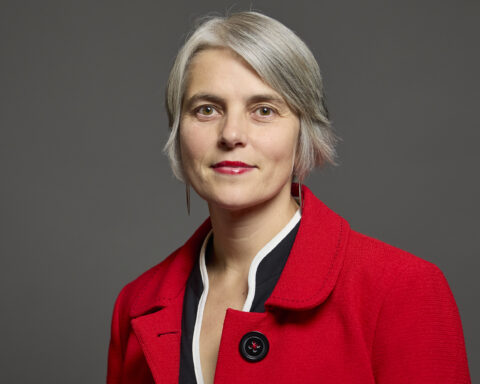
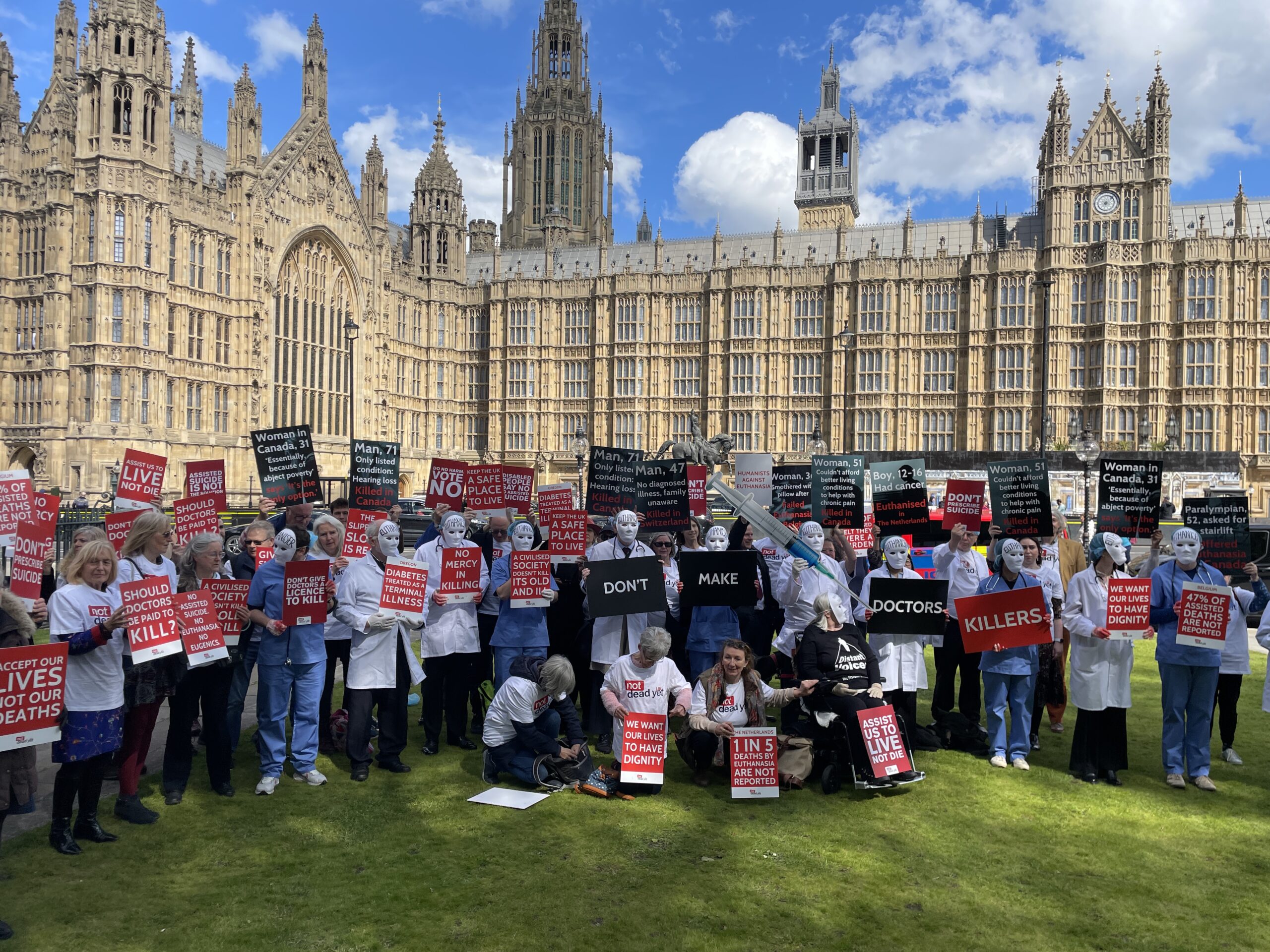
The reintroduction of the Terminally Ill Adults (End of Life) Bill has sparked a profound and acrimonious internal conflict within the Labour Party, as the legislation’s new sponsor, Lauren Edwards, faces scrutiny over her past tweets.
The Rochester and Strood MP, who secured second place in the ballot for private members’ bills, has pledged to “finish the job” left incomplete when a previous iteration of the bill ran out of time in the House of Lords.
However, the legislative push has reopened the deep ideological wounds among Labour parliamentarians and invited sharp condemnation from disability advocacy groups.
The controversy centres not only on the ethical implications of legalising assisted suicide but on the personal history of its primary advocate. Ms. Edwards has been forced to confront the resurrection of social media posts from 2009 in which she used a deeply offensive slur to describe Estonian nationals, referring to them as “retards.”
While Ms. Edwards issued an apology upon her election in 2024, describing the comments as a “significant error of judgment,” the revival of these remarks has provided powerful ammunition to those who argue she is an unsuitable figure to champion legislation that directly impacts the most vulnerable members of society.
The move to bring the bill back to the floor of the House of Commons comes at a time when the Labour Party is already navigating the potential return of the popular Mayor of Manchester, Andy Burnhan, back to Parliament, should he win the Makerfield by-election on Thursday.
The original bill, introduced by Kim Leadbeater, narrowly cleared the Commons by a margin of just 23 votes last year, a result that many attributed to the personal support of Sir Keir Starmer. Yet, as the Prime Minister’s authority has drained away with more than 100 MPs declaring they want a change of leader, the highly controversial assisted dying debate risks becoming an open sore for a party that remains deeply divided on the issue and has slipped to third place in the polls on just 19 per cent, just 4 points ahead of the Green Party and 6 points ahead of the Lib Dems.
Prominent figures within the Labour movement have previously voiced their opposition to the Bill, including: Deputy PM David Lammy, former Deputy PM Angela Rayner, new No10 adviser and former PM Gordon Brown, Home Secretary Shabana Mahmood, leadership contender Wes Streeting, Chief Whip Jonathan Reynolds, Chief Secretary to the PM Darren Jones, and Scottish Labour leader Anas Sarwar, underlining how resistance to the legislation reaches into some of the party’s most senior ranks.
Wes Streeting, the former health secretary and a declared leadership challenger, remains a steadfast opponent of the legislation. His concerns are echoed by a growing number of backbenchers who believe the government’s focus should remain on more immediate crises. Ashley Dalton, the hugely respected MP for West Lancashire, warned that the bill is a distraction from the Government’s core duties of getting the economy going and fixing the NHS.
Ms. Dalton, who is terminally ill with cancer, argues that the bill is “deeply divisive and flawed,” suggesting that its supporters have consistently “refused to listen or to make the necessary changes” required to protect the vulnerable.
Other Labour voices have been more direct in their criticism. Adam Jogee, the MP for Newcastle-under-Lyme, stated that the bill would hand “sweeping, unchecked powers over life and death” to future administrations, while South Shields MP Emma Lewell expressed dismay at the lack of support from major medical and professional bodies. The sentiment within the party suggests that rather than a unifying social reform, the bill has become mired in controversy and is seen as another attack on vulnerable people.
Disability rights campaigners have been at the forefront of the opposition, arguing that the introduction of such a law would “put a target” on the backs of disabled people, including himself. Lord Shinkwin, a Conservative peer who has long championed disability rights, told The Times Newspaper that Lauren Edwards’ past use of offensive language makes her advocacy particularly problematic. He argued that if Ms. Edwards ignores the pleas of disabled groups, her previous apologies for using the slur “retards” will “ring hollow.”
According to Lord Shinkwin, no major organisation representing disabled people has backed the bill, with many instead calling for improvements in palliative care, a sector many feel has been neglected in the rush toward legalised assisted death.
Actor and campaigner Liz Carr also raised significant alarms, noting that the bill being reintroduced is essentially the same as the one that failed previously. She argued that reintroducing a “flawed” bill without addressing the fundamental risks identified by doctors, psychiatrists, and experts is a betrayal of the trust that older and disabled people must place in the healthcare system.
The legislative framework of the proposed Terminally Ill Adults (End of Life) Bill would allow adults in England and Wales with less than six months to live to apply for an assisted death. However, in its proposed form the Bill could allow people with eating disorders such as anorexia and other non-terminal conditions such as diabetes to apply for assisted death.
The Bill will be introduced this week with the Second Reading likely to take place in early September.