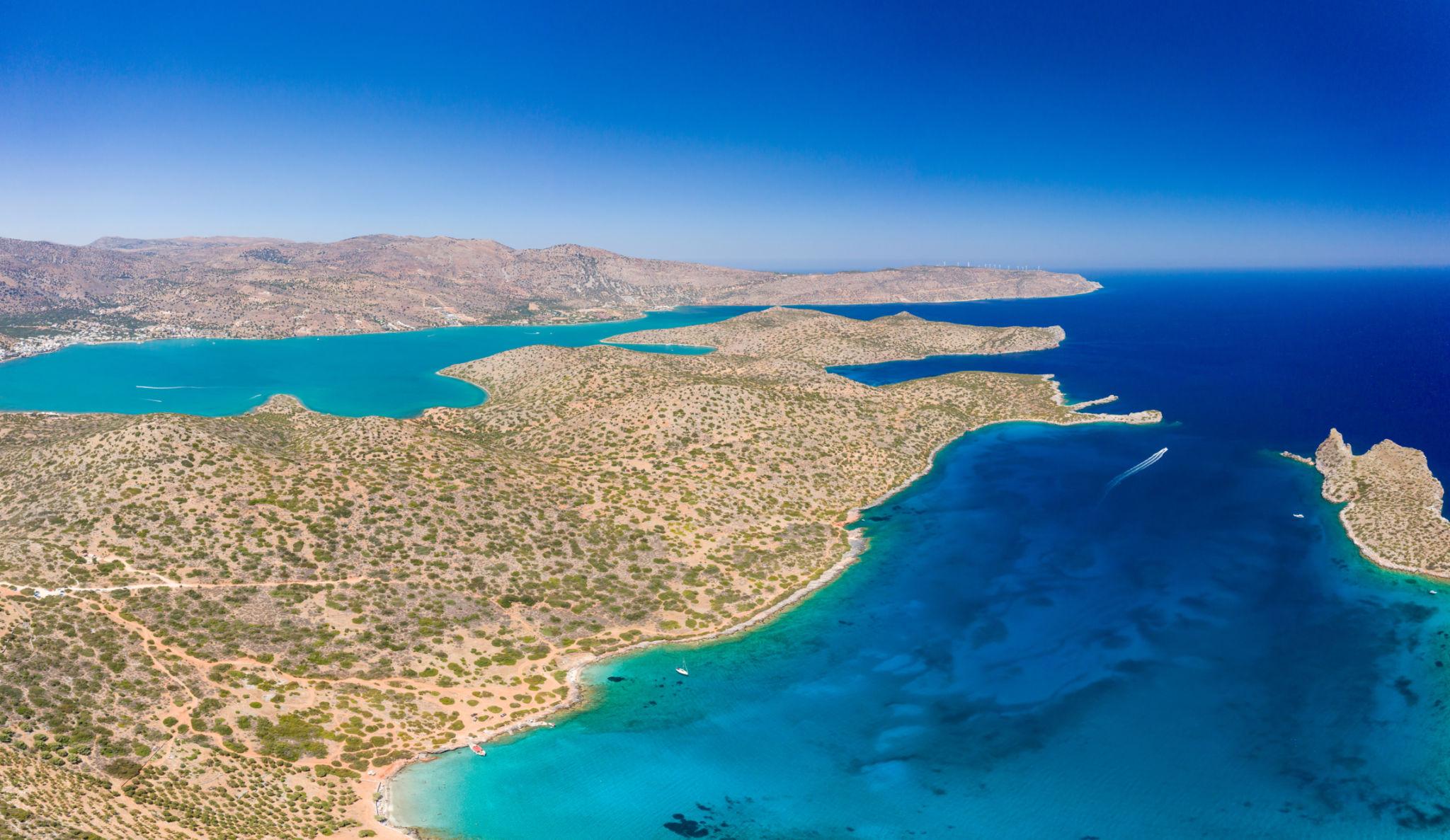
Crete, Greece, June 20 (Parliament Politics Magazine) – Greece earthquake activity drew immediate attention after a magnitude 5.8 earthquake struck southwest of the island of Crete, according to seismic monitoring agencies. The Greece earthquake occurred beneath the Mediterranean Sea and was felt in parts of southern Greece. Officials reported no immediate confirmation of major damage or casualties while emergency teams and scientists continued evaluating the situation. The Greece earthquake prompted authorities to monitor the area closely for possible aftershocks and conduct precautionary inspections.
Authorities Assess the Situation After the Tremor
The Greece earthquake was recorded offshore in one of the eastern Mediterranean’s most seismically active regions. Civil protection authorities began collecting reports from local communities shortly after the shaking was detected. Officials emphasized that inspections of infrastructure and public facilities would continue as a precaution.
“Our priority is to assess conditions quickly and ensure public safety,”
an emergency official said.
Seismic Experts Monitor Possible Aftershocks
Following the Greece earthquake, seismologists continued reviewing geological data to determine the characteristics of the event. Experts noted that offshore earthquakes near Crete are relatively common because of the area’s active tectonic setting. While aftershocks are possible following a Greece earthquake, scientists said each event develops differently and requires continuous monitoring.
“Preparedness and scientific monitoring remain essential after every significant earthquake,”
a regional seismologist said.
History of Earthquakes Near Crete
Crete has experienced numerous earthquakes throughout history because it lies near the boundary where the African tectonic plate moves beneath the Eurasian plate. This geological setting makes the region one of Europe’s most active seismic zones. The latest Greece earthquake reflects the natural tectonic activity that has shaped the eastern Mediterranean for centuries and continues to be closely monitored by international seismic agencies.
Emergency Services Remain Prepared
Emergency response teams remained on standby following the Greece earthquake while inspections continued across affected areas. Authorities encouraged residents to follow official updates if additional advisories become necessary. Scientists also continued monitoring the Greece earthquake for any changes in seismic activity.
“Rapid coordination between emergency services and scientific agencies is vital following offshore earthquakes,”
a disaster response specialist said.
Greece Earthquake: Key Takeaways
The Greece earthquake measuring magnitude 5.8 struck southwest of Crete on June 20, 2026, according to seismic monitoring agencies. Authorities reported no immediate confirmation of significant damage while continuing inspections and monitoring for aftershocks. The Greece earthquake highlights the ongoing seismic activity of the eastern Mediterranean and the importance of continuous preparedness in one of Europe’s most active earthquake regions.