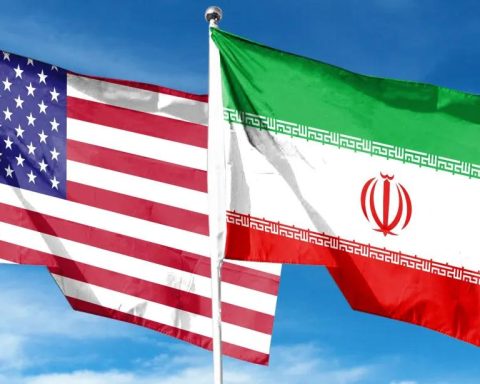
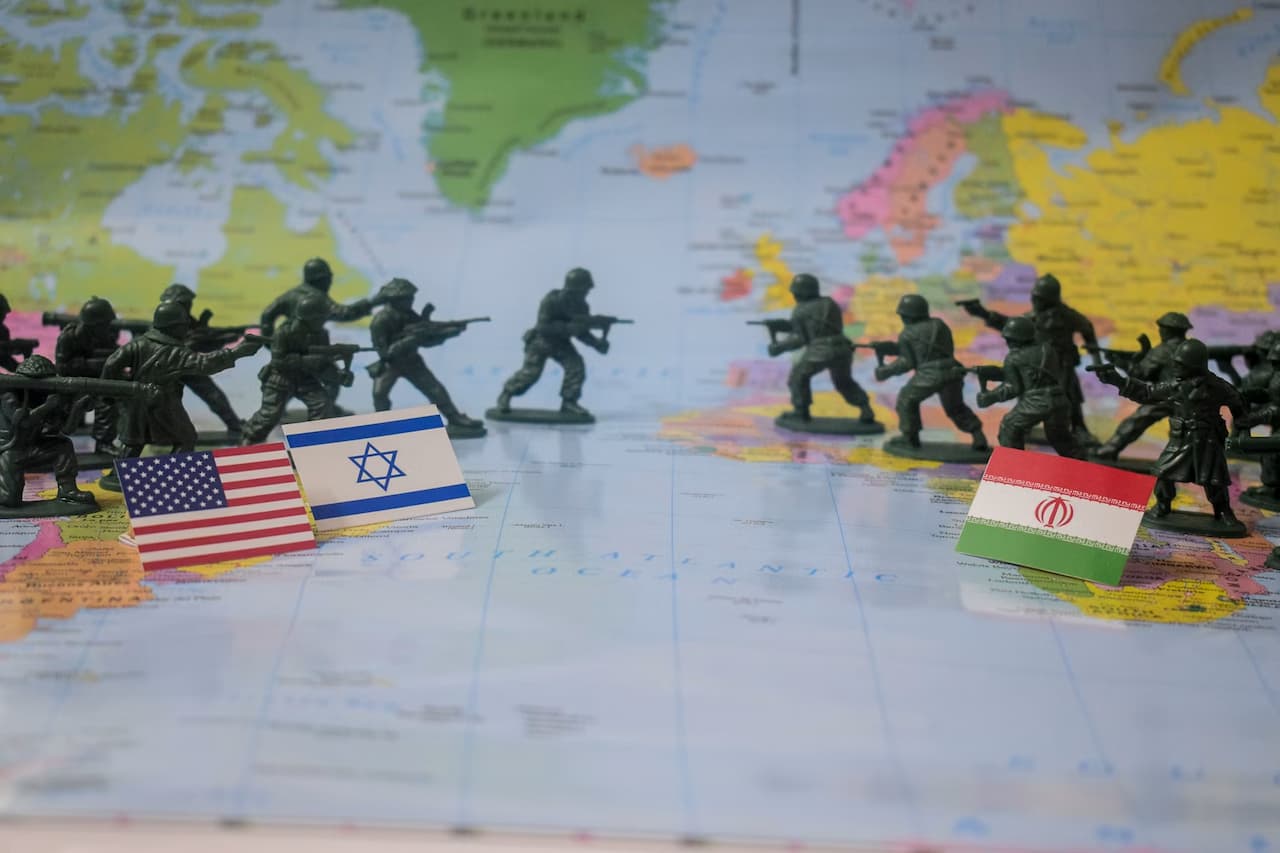
BÜRGENSTOCK, Switzerland, June 21 (Parliament Politics Magazine) – High-level diplomatic delegations from the United States and Iran have convened at the Bürgenstock resort overlooking Lake Lucerne to finalize a comprehensive peace framework. The summit, co-mediated by Qatar and Pakistan, centers on the implementation of a 14-point memorandum of understanding aimed at securing a lasting ceasefire and de-escalating tensions across the Middle East.
Senior officials participating in the quadrilateral meetings include US Vice President JD Vance and Iranian Foreign Minister Abbas Araghchi. The talks are currently focused on transforming an interim agreement into a binding 60-day peace treaty.
Building the Peace Framework
The ongoing technical negotiations address several critical issues, including the conflict in Lebanon and the restoration of free commercial shipping in the Strait of Hormuz. By dismantling naval restrictions, negotiators aim to secure vital global energy corridors that have faced recent threats.b
The diplomatic agenda also prioritizes economic relief, specifically the unblocking of Iranian assets and technical discussions regarding the Iranian nuclear program. The first round of these quadrilateral talks concluded on June 21, following a brief suspension for internal delegation consultations.
“Qatar has successfully transitioned from a quiet backchannel facilitator into a co-equal, indispensable mediator on the global stage,” noted a diplomatic source familiar with the proceedings.
Qatar’s Strategic Influence
While Pakistan holds a prominent role due to its direct state and military ties to both Washington and Tehran, Qatar has performed the intensive behind-the-scenes work required to draft the agreement text. Qatari diplomats have utilized long-standing communication channels with senior Islamic Revolutionary Guard Corps (IRGC) generals to bypass traditional bureaucratic delays.
Qatari delegations, led by Ali al-Thawadi and Hamad al-Kubaisi, have spent months coordinating between Doha, Tehran, and Washington. This work includes meticulously defining legal language governing nuclear limitations and the specific timeline for sequencing sanctions relief.
Financial Custody and Trust
Qatar’s role as a financial custodian is central to the progress of the summit. Because the United States and Iran maintain deep-seated distrust, Qatar’s banking infrastructure serves as a neutral vault for the transfer of billions of dollars in sanctioned funds.
This financial leverage is underscored by Qatar’s unique position as a joint partner with Iran in the North Dome/South Pars gas field. This shared economic interest provides a clear incentive for Doha to secure regional stability. Qatar is currently co-chairing the newly launched four-way high-level committee alongside Pakistan to oversee the implementation of the peace framework.
The Bürgenstock Venue
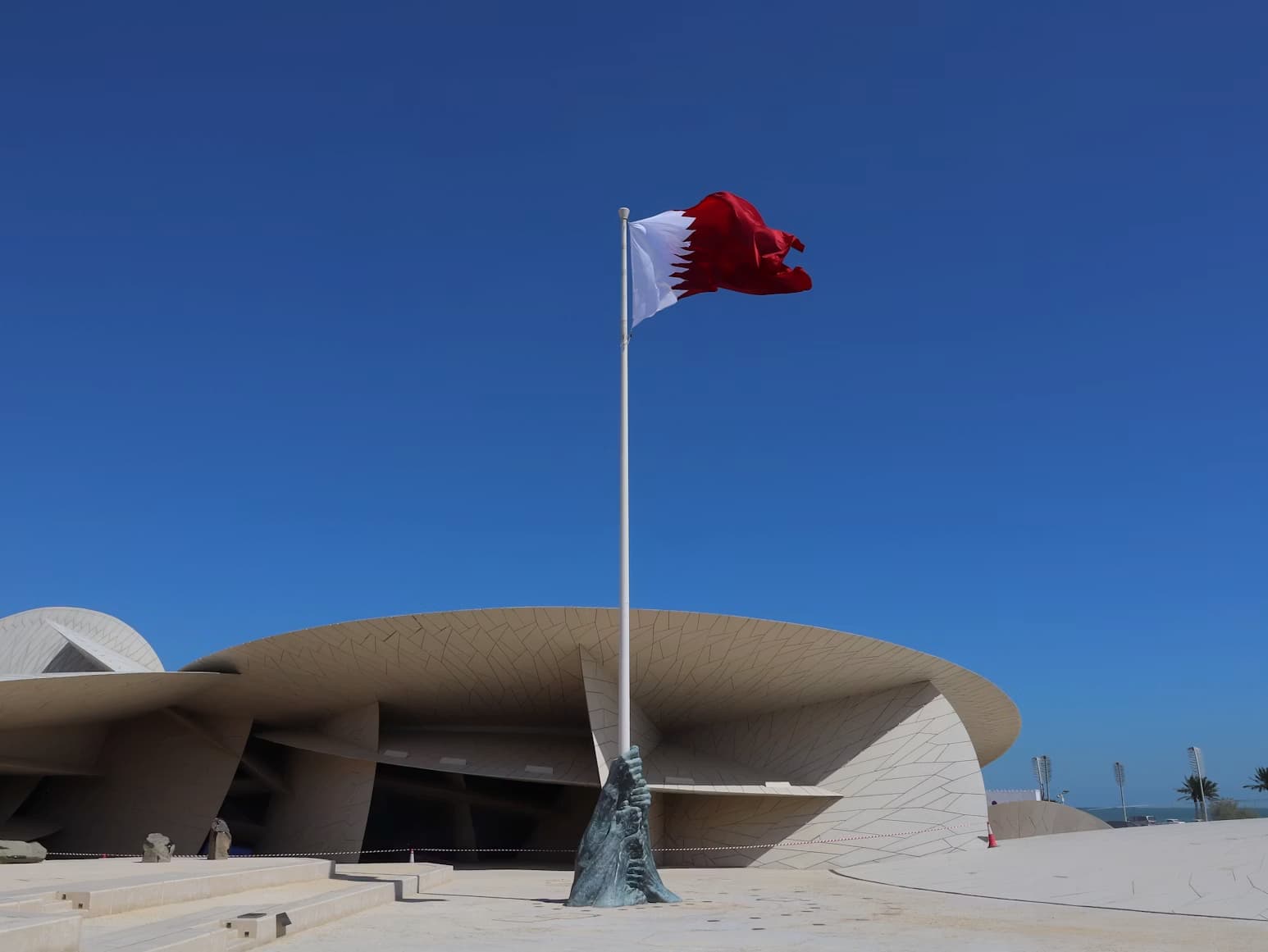
The selection of the Bürgenstock resort as the site for these negotiations highlights Qatar’s soft power. The property is owned by the state of Qatar through its sovereign wealth fund’s hospitality arm. By hosting the summit on its own property, Qatar has ensured that the physical environment of the talks remains under its oversight.
Beyond the venue, the negotiations have expanded to address long-term maritime administration. A clause within the 14-point memorandum of understanding mandates that the management of the Strait of Hormuz will involve a broader consensus with Gulf states. This clause effectively positions Qatar as a permanent stakeholder in the security of global oil transit.
Managing Escalation Risks
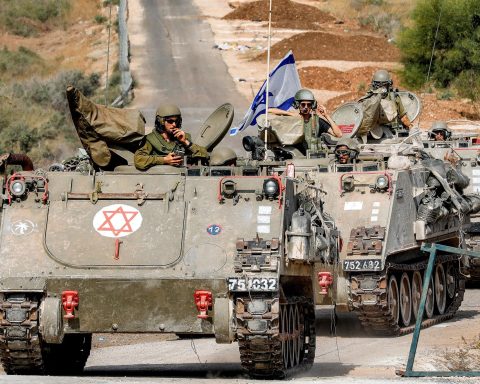
The talks have proceeded despite significant pressure. Iran recently threatened to close the Strait of Hormuz in response to Israeli military actions against Hezbollah in Lebanon. Qatari mediators have been tasked with de-escalating these immediate threats to keep the summit on track.
The specialized technical working groups are currently working to finalize the mechanism for permitted Iranian oil sales and regional ceasefire enforcement. These efforts are intended to turn the interim memorandum into a finalized treaty within the 60-day window established by the diplomatic teams.