WASHINGTON, June 22 (Parliament Politics Magazine) – The United States officially authorized the production, delivery, and sale of Iranian oil on Monday, marking a significant shift in energy policy as the two nations advance toward a final peace agreement.
The Treasury Department issued a 60-day general license, effective immediately and running through August 21, 2026, which eases longstanding sanctions that have restricted Tehran’s energy sector since the 1979 revolution.
This decision serves as a key component of an interim framework signed by the United States and Iran last week. The agreement aims to resolve the military conflict that escalated earlier this year, characterized by joint United States-Israeli military strikes on February 28 and subsequent blockades of the Strait of Hormuz and Iranian ports.
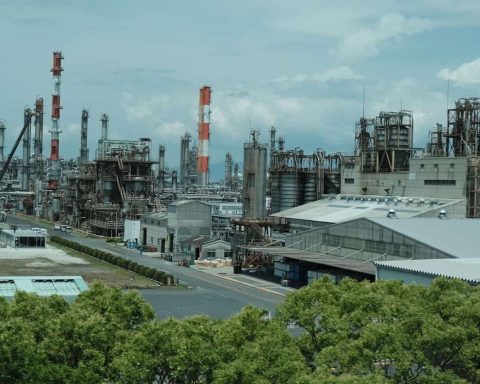
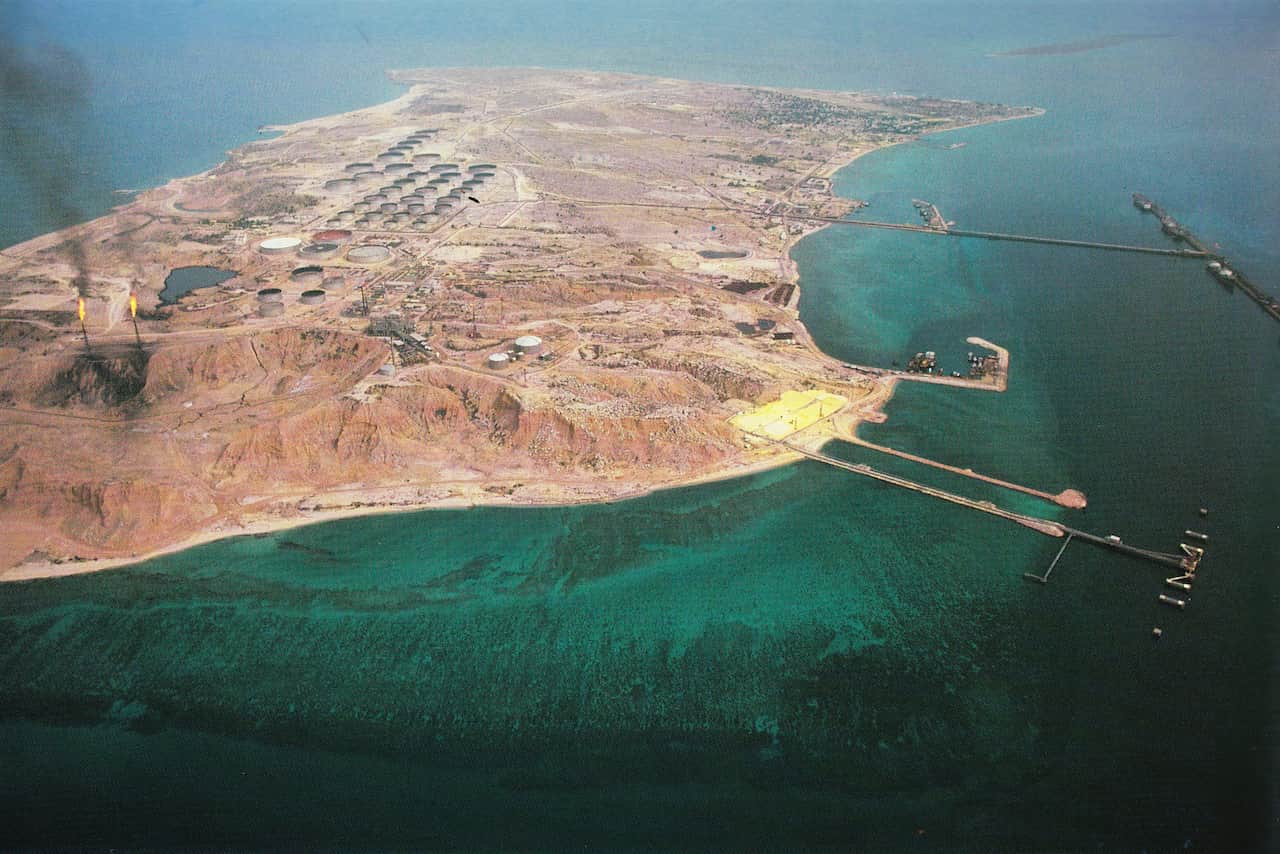
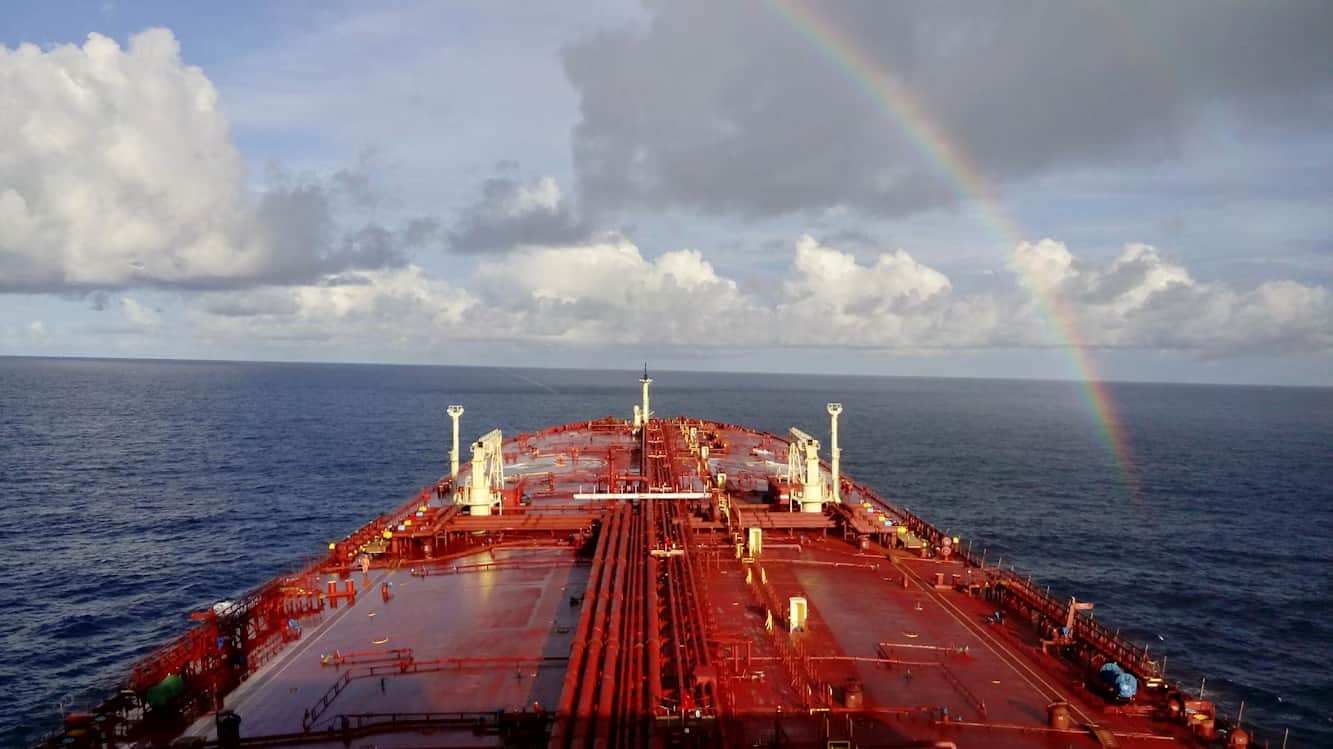
Under the new general license, Iranian-origin crude oil, petroleum products, and petrochemical derivatives are now eligible for export. Crucially, the waiver extends to essential logistics and financial services, including marine transportation, insurance, and banking transactions. For the first time in decades, the United States will permit the import of Iranian oil when necessary to facilitate its sale or offloading, and payments may be processed in United States dollar-denominated funds.
Treasury Secretary Scott Bessent announced the move on social media, emphasizing the reciprocal security commitments Tehran has provided in exchange for the sanctions relief.
“In line with the ongoing productive talks in Switzerland, Iran has committed to free and open transit in the Strait of Hormuz and to permit International Atomic Energy Agency (IAEA) inspectors into their country,” Bessent stated.
The policy change follows a 14-point memorandum of understanding established on June 17, 2026, which extended a ceasefire originally brokered in April. Mediators operating in Switzerland reported that the first formal round of peace negotiations has resulted in encouraging progress. Both countries have committed to a strict 60-day roadmap intended to finalize the terms of a permanent peace agreement.
The license includes clear boundaries to maintain compliance with other international restrictions. Transactions involving heavily sanctioned destinations or occupied territories, specifically Cuba, North Korea, and Russian-occupied regions of Ukraine, remain strictly prohibited. The United States government emphasized that any unauthorized port calls or violations of these terms could jeopardize the entire agreement.
The energy markets responded swiftly to the news of legalized Iranian supply. Following a period where oil prices had spiked above $100 per barrel due to the regional conflict, the announcement triggered a noticeable decline in futures. Brent crude dropped more than 3.5% to approximately $77.70 per barrel, while West Texas Intermediate hovered near $74.00 per barrel.
While independent Chinese refiners had previously served as the primary destination for discounted, sanctioned Iranian crude, the new waiver opens the door for international traders and global shipping companies to re-enter the market. Logistics firms are currently evaluating the requirements to finance and transport these shipments under the new regulatory framework.
The diplomatic breakthrough relied heavily on neutral mediation in Geneva, where Swiss diplomats facilitated a secret communication channel to draft the 14-point roadmap. This framework also addresses long-term reconstruction efforts and agricultural stability, signaling a broader attempt to stabilize relations between Washington and Tehran beyond the immediate energy sector.