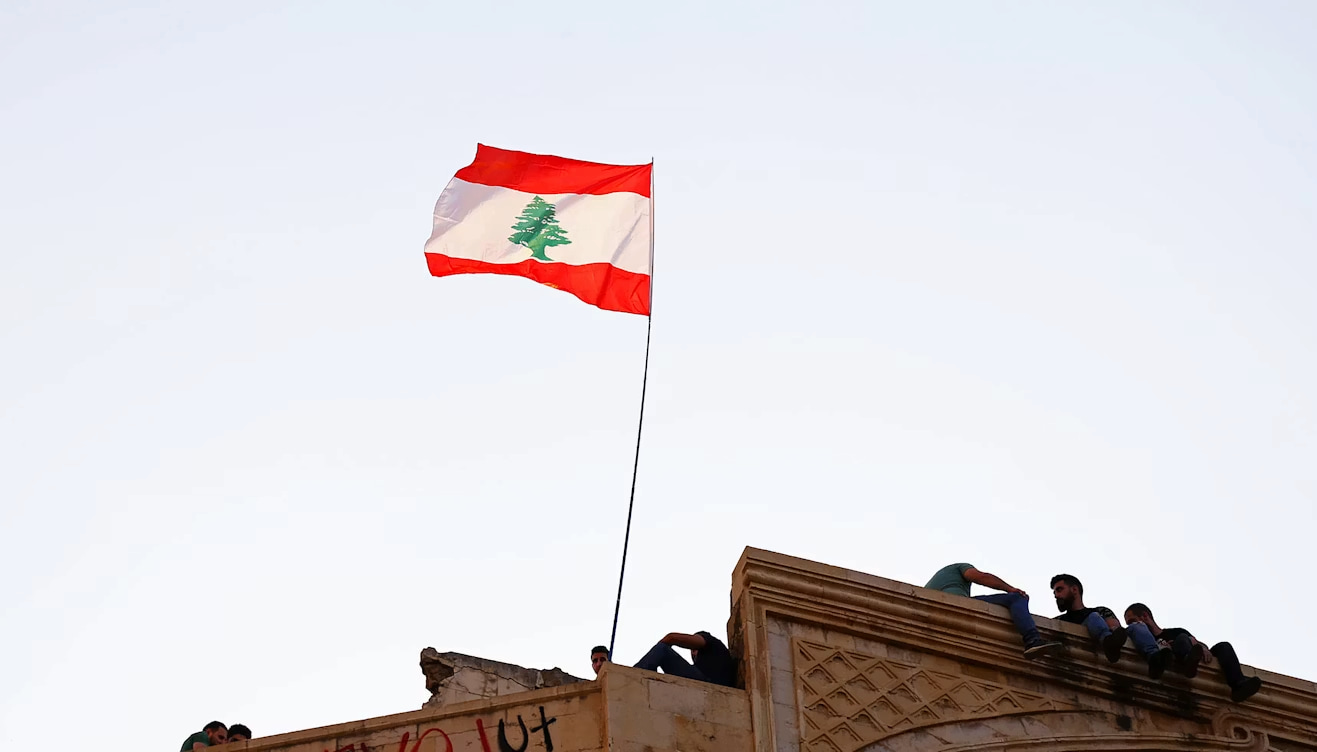
BEIRUT, June 22 (Parliament Politics Magazine) – A ceasefire between Israel and Hezbollah largely held on Monday, marking the longest period of relative calm in three months of intense fighting.
Despite this development, widespread fear remains that the fragile agreement could collapse, preventing thousands of displaced residents from returning to their homes.
A senior Lebanese security official reported that adherence to the ceasefire has been almost total since Saturday evening. This period of quiet follows a series of violent escalations that have defined the conflict since early March.
Minor violations reported
Although the truce has largely held, the situation remains volatile with reports of localized military activity. The Lebanese security official noted that an Israeli tank fired shells toward a village near Tyre on Monday.
Furthermore, Israeli forces were reported to have fired sound grenades in two separate locations during the same period. Residents in the capital also observed an Israeli drone flying over Beirut, serving as a reminder that hostilities could resume at any moment.
“I’m monitoring the situation day by day, and most of the time I’m sleeping in the hospital. This is the longest a ceasefire has held,” said Hassan Wazni, director of a hospital in the southern city of Nabatieh.
Humanitarian concerns persist
The uncertainty surrounding the ceasefire has deterred many displaced people from attempting to return to their communities. Local authorities have reinforced these fears, with the municipal council of Zawtar El Charqiyeh warning residents to avoid returning until the region is definitively secure.
This caution is largely driven by the memory of a previous truce on Friday, which dissolved almost immediately. According to the Lebanese civil defence, Israeli attacks on Saturday resulted in 20 deaths, shattering the brief hopes for peace.
The human cost of the conflict has been severe. Official records from the Lebanese health ministry indicate that 4,106 people have been killed in the country since March 2, a figure that includes 773 women, children, and health care workers.
Authorities in Lebanon estimate that approximately 1.2 million people have been forced from their homes due to the fighting. In Israel, the toll includes at least 32 soldiers and four civilians.
Military presence and border safety
Israeli forces currently remain deployed deep inside southern Lebanon. The military has established a self-declared security zone, citing the need to remove Hezbollah infrastructure from civilian areas.
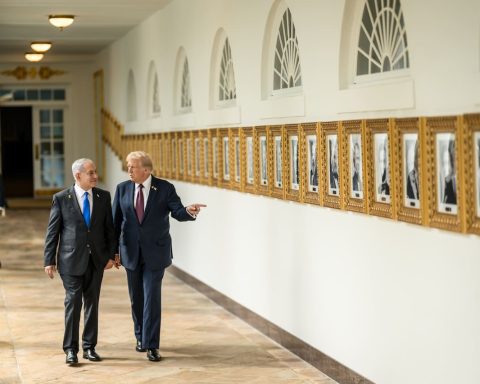
Israeli Prime Minister Benjamin Netanyahu stated on Monday that troops retain full freedom of action to address any emerging threats. He emphasized that the military will remain in Lebanon for as long as is necessary to ensure the safety of Israeli citizens.
Despite this hardline stance, the Israeli military has begun to roll back some safety protocols. As of 6 a.m. on Monday, safety restrictions were lifted in eight communities situated near the Lebanese border.
Diplomatic efforts continue
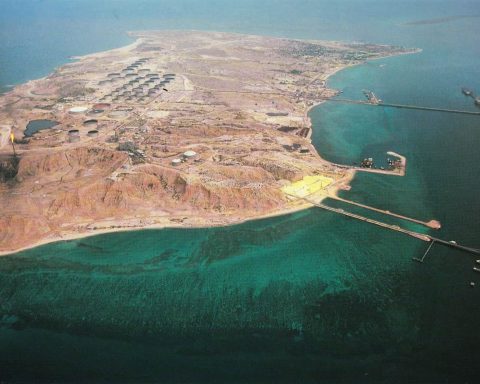
The conflict has tested an interim agreement between the United States and Iran aimed at curbing regional tensions. Tehran recently claimed to have closed the Strait of Hormuz, citing a failure by the U.S. to meet commitments regarding the cessation of hostilities.
U.S. Vice President JD Vance, who has been leading Washington’s diplomatic delegation, disputed reports that the strait was closed. He stated that progress is being made toward a final peace deal and described the current state of Lebanon as a work in progress.
In an effort to solidify the truce, Lebanese President Joseph Aoun held discussions with Vance, Qatari Prime Minister Sheikh Mohammed bin Abdulrahman al-Thani, and White House envoy Jared Kushner. These diplomatic channels are working to establish a de-confliction cell to ensure that all parties adhere to the termination of military operations.