NEW YORK, June 23 (Parliament Politics Magazine) – Ukraine may revise its current proposal for a ceasefire along the de facto frontline with Russia if the United Nations Security Council does not pass a resolution calling for an immediate and unconditional end to hostilities.
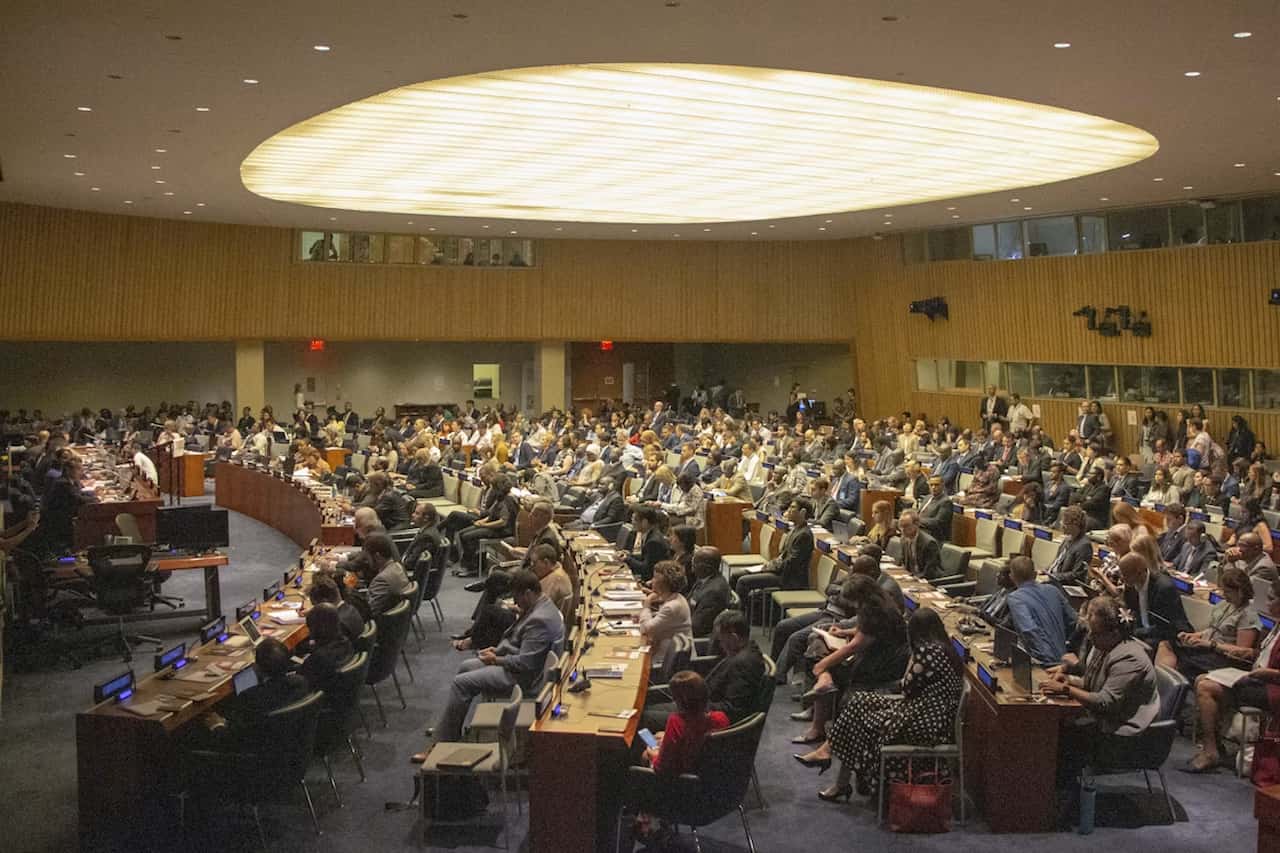
This warning was delivered by Ukraine’s envoy to the United Nations, Andrii Melnyk, during a lengthy Security Council session held on Monday to address the war, now entering its fifth year.
The diplomatic push represents a significant shift in tone for the Ukrainian delegation at the UN. Melnyk, a diplomat known for his sharp and unconventional approach, emphasized that while Kyiv remains open to dialogue, the window for current concessions is narrowing.
Diplomatic Pressure at the UN
During the session, the sixth such meeting held recently to discuss the conflict, Melnyk outlined the potential for a strategic pivot. He argued that the current offer to freeze the war along the existing frontline represents a major compromise from Kyiv. However, he warned that this offer is not permanent and is contingent upon meaningful international action.
“Ukraine stands ready to engage in direct negotiations with Russia to secure a just and lasting peace in accordance with the UN Charter, but our patience is not endless,” Melnyk said during his address to the council.
The envoy warned that if the Security Council continues to adopt a wait-and-see approach, Kyiv reserves the right to modify its terms. While the proposal for a binding resolution is widely viewed as a largely symbolic move given that Russia holds a permanent veto on the Security Council the session highlighted the growing frustration within the Ukrainian government regarding the efficacy of international mediation.
Shifting Momentum on the Ground
Beyond the halls of the United Nations, Melnyk pointed to changing dynamics on the battlefield as a source of leverage for Kyiv. He stated that recent Ukrainian drone operations have significantly impacted Russia’s industrial base, claiming that approximately 40% of Russia’s oil refineries have been damaged by these strikes.
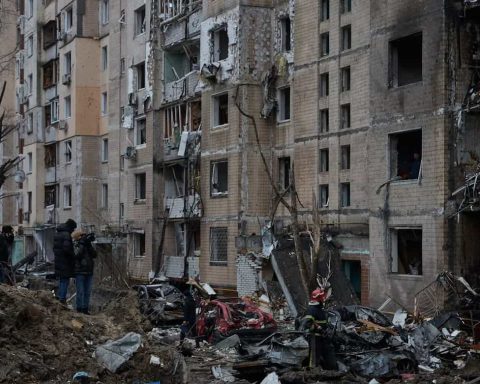
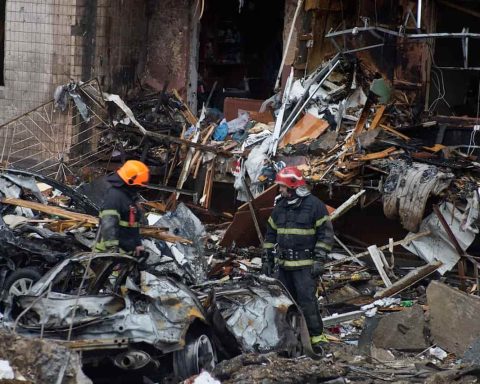
These operations have underscored a difficult tactical reality for Ukraine. The recent dispute regarding the damage to the historic Pechersk Lavra monastery in Kyiv exemplifies this. While Ukraine and several Western nations attributed the destruction to a Russian strike, Russian officials claimed the damage was caused by a misdirected U.S.-made Patriot missile fired by Ukraine’s own air defenses. This incident highlights the high-stakes environment in which Ukraine is forced to deploy rare, expensive air defense systems directly over its own densely populated cultural centers to intercept incoming threats.
Debates Over Military Strikes
The session remained contentious throughout, with delegates debating the origins of the weapons used in the attack on the UNESCO World Heritage site. Russia maintained its position that its military operations were targeted specifically at drone manufacturing facilities, denying involvement in the damage sustained by the monastery.
As the conflict continues, the rhetoric from the UN mission suggests that Ukraine is increasingly looking to link its battlefield successes with its diplomatic strategy. By signaling a potential withdrawal of its current ceasefire terms, Kyiv is attempting to force the Security Council to confront the limitations of its current passive approach.