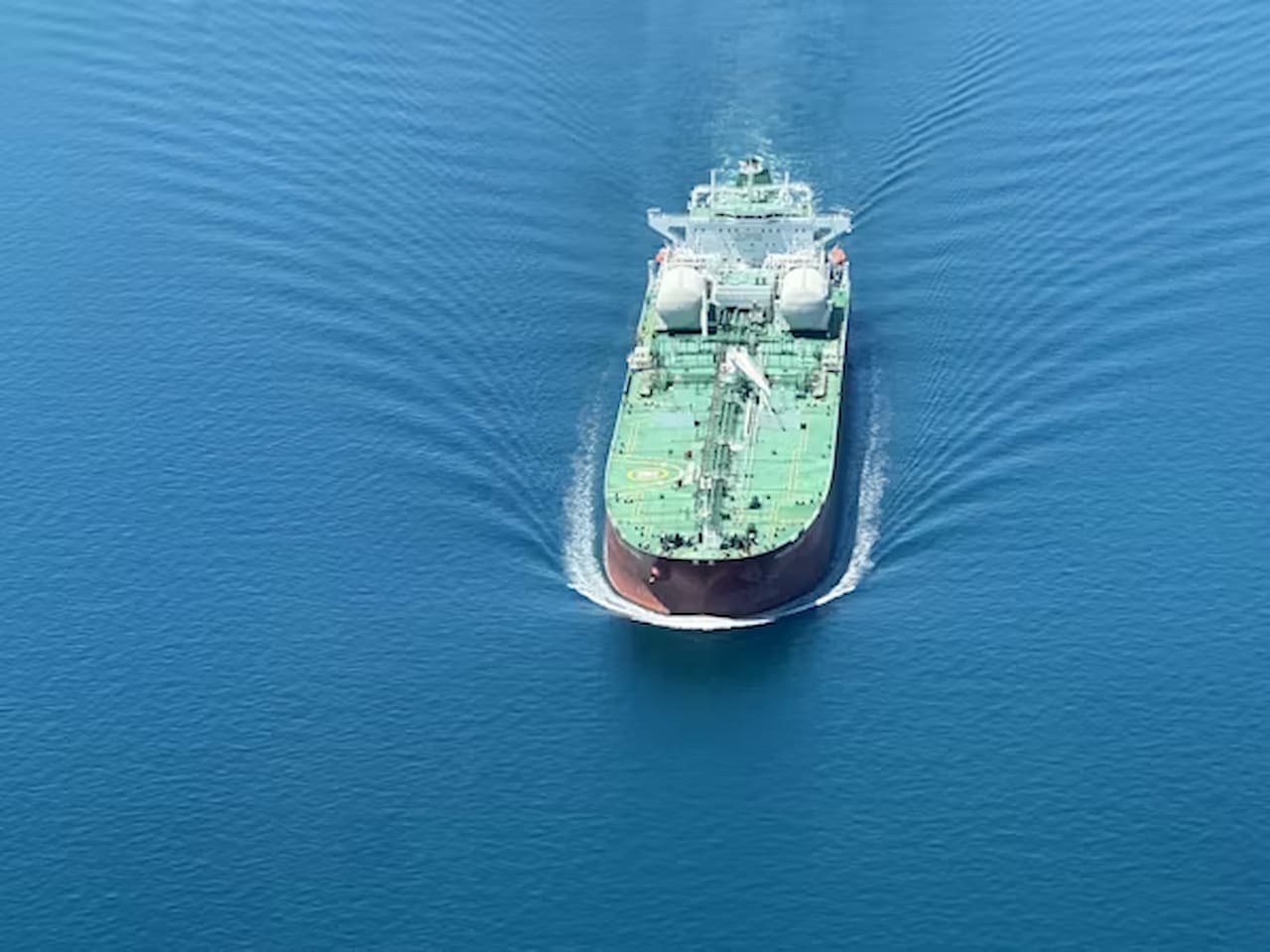
MUSCAT, June 23 (Parliament Politics Magazine) – Oman and Iran reached a formal agreement on Tuesday to advance discussions regarding the future administration of navigation in the Strait of Hormuz.
The talks will focus on the management of maritime services in the strategic waterway and the associated costs required to maintain operations.
Following high-level meetings in Muscat, the two nations announced the formation of a joint working group involving their respective foreign ministries. This body is tasked with continuing negotiations and coordinating with other littoral states and relevant international parties to oversee the long-term governance of the corridor.
The initiative serves to implement a specific provision of a memorandum of understanding signed last week. That agreement requires Iran to engage in formal discussions with Oman and other coastal Gulf states regarding the future management of the strait, a vital artery for global oil supplies.
The meetings in Muscat featured delegations led by Iranian Parliament Speaker Mohammad Baqer Qalibaf and Foreign Minister Abbas Araghchi, who held consultations with Sultan Haitham bin Tariq and Omani Foreign Minister Sayyid Badr Albusaidi.
Both nations emphasized that while they maintain sovereignty over their respective territorial waters, they remain dedicated to international standards of maritime safety. The agreement seeks to ensure the waterway remains a secure and open route for international commercial shipping.
“Oman and Iran reaffirmed their commitment to the strait being a secure and open route for international navigation and to promoting maritime safety, freedom of navigation and regional stability,” according to the official statement.
Iranian officials clarified that the proposed administrative framework is not intended to impose standard transit tolls. Instead, the working group aims to design a structure for collecting fees specifically dedicated to maritime services, environmental protection, and ship insurance. This development marks a significant shift, as commercial transit through the strait was historically free of administrative charges prior to the regional conflict that began in February.
The current diplomatic efforts follow a period of severe disruption, during which the strait remained largely closed to commercial shipping. Under the broader framework established between the United States and Iran on June 14, Iran has committed to a 60-day grace period for safe, fee-free commercial transit. This window is intended to allow for the completion of active mine-clearing operations while traffic slowly begins to recover. Data indicates that maritime activity is gradually increasing, with recent figures showing 42 vessels successfully navigating the route in a single day as the waterway begins to restart operations.