
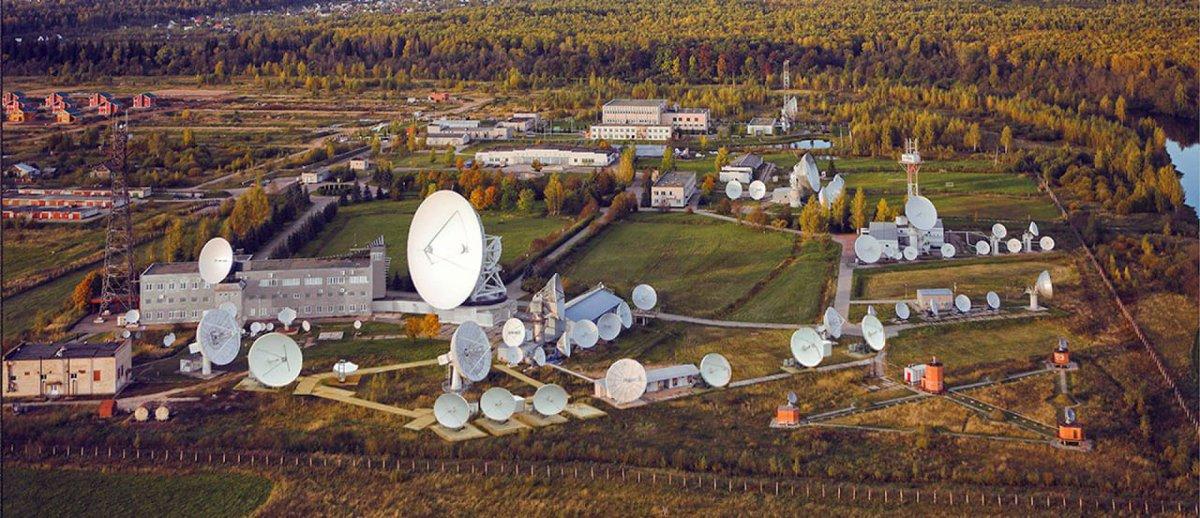
Kyiv, June 30, 2026 (Parliament Politics Magazine) – Moscow region attack was once again at the center of the Russia-Ukraine war after President Volodymyr Zelenskiy announced that Ukrainian forces had struck a satellite-related facility in the Russian city of Dubna for the second time. The reported strike is part of Ukraine’s expanding campaign to target military infrastructure deep inside Russian territory, with officials saying the objective was to weaken assets supporting Moscow’s military operations.
Moscow Region Attack Targets Strategic Dubna Facility
President Zelenskiy said the operation was directed against infrastructure that supports Russia’s military and satellite capabilities. While Ukrainian authorities did not release operational details, they described the facility as a legitimate military target linked to Russia’s war effort.
“Our defense forces continue to strike facilities that enable Russia’s aggression,”
Zelenskiy said in his evening address, adding that Ukraine would continue operations aimed at reducing Russia’s military capabilities.
Russian authorities reported drone activity in parts of the Moscow region but did not immediately confirm damage at the Dubna site. Independent organizations have not yet verified the full extent of the reported strike.
Ukraine Expands Long-Range Strike Campaign
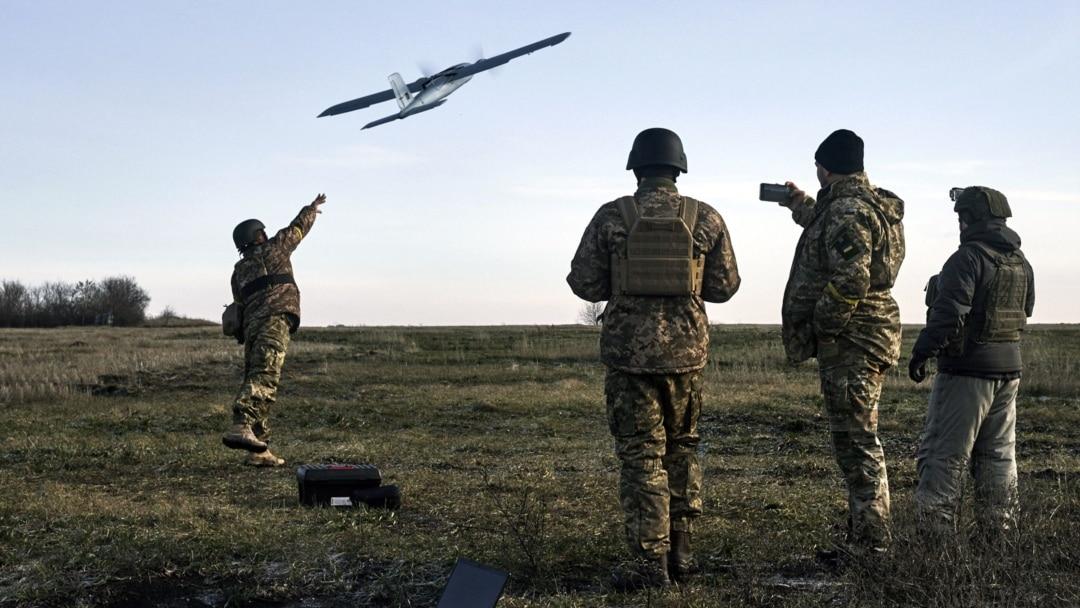
The latest Moscow region attack reflects Ukraine’s growing use of long-range drones against military infrastructure located far from the front lines. Over recent months, Kyiv has targeted oil refineries, logistics centers, ammunition depots and military production facilities across Russia in an effort to disrupt supplies supporting Russian forces.
Dubna, located about 120 kilometers north of Moscow, is home to scientific and technology facilities. Ukrainian officials argue that some installations contribute to Russia’s defense and communications network, making them military objectives under wartime conditions.
A European security analyst said,
“Ukraine is increasingly focusing on strategic infrastructure that supports Russia’s military rather than concentrating solely on battlefield positions.”
Military and Security Implications
Defense analysts say attacks on communications and technology facilities demonstrate how modern warfare increasingly depends on drones, satellite systems and electronic intelligence.
The repeated targeting of sites inside Russia also forces Moscow to devote more resources to protecting critical infrastructure. Military experts believe strengthening domestic air defenses may reduce resources available for frontline operations.
Although no immediate disruption to civilian services was reported following the Dubna strike, authorities continue monitoring security around sensitive facilities throughout the Moscow region.
Experts Assess the Latest Strike
Security specialists say Ukraine’s strategy seeks to increase pressure on Russia by raising the operational costs of the war while limiting Moscow’s military effectiveness.
Another defense expert noted,
“Long-range precision strikes are becoming an increasingly important part of Ukraine’s broader military strategy.”
Analysts also caution that claims made by either side during wartime should be independently verified whenever possible.
What Happens Next
The reported second strike on the Dubna satellite site highlights Ukraine’s continued willingness to target military-related infrastructure beyond the front line. Russia is expected to strengthen security around strategic installations while continuing its own long-range attacks on Ukrainian cities and infrastructure.
As the conflict enters another phase of intensified drone warfare, both sides continue adapting their military strategies, making technology and communications facilities increasingly significant targets.