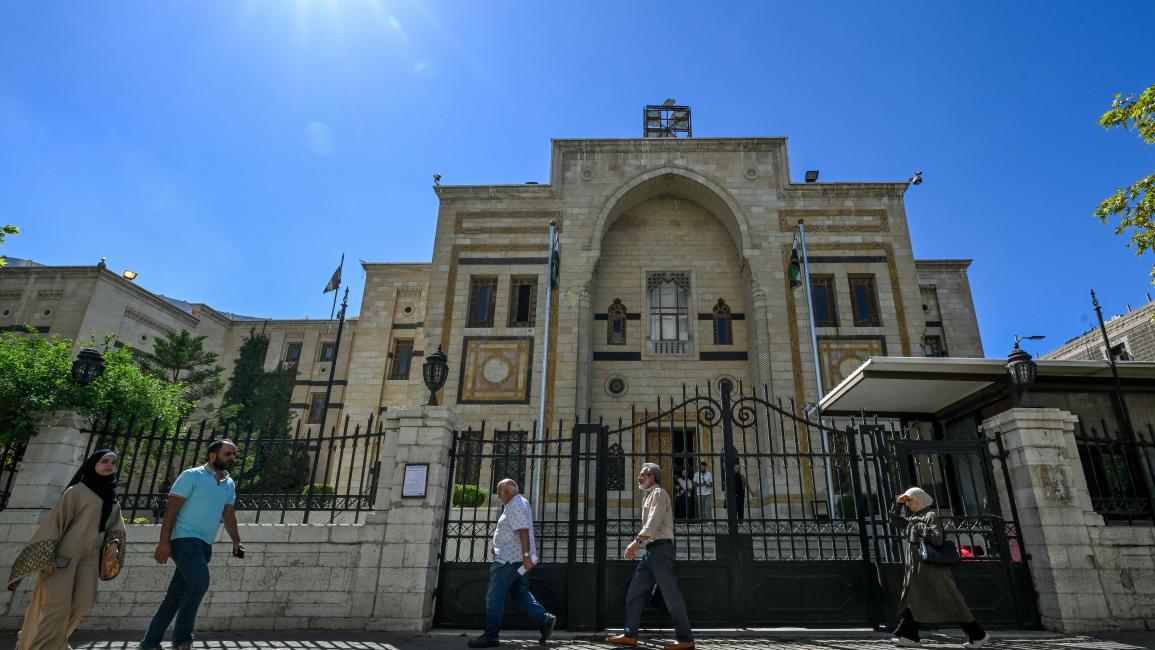
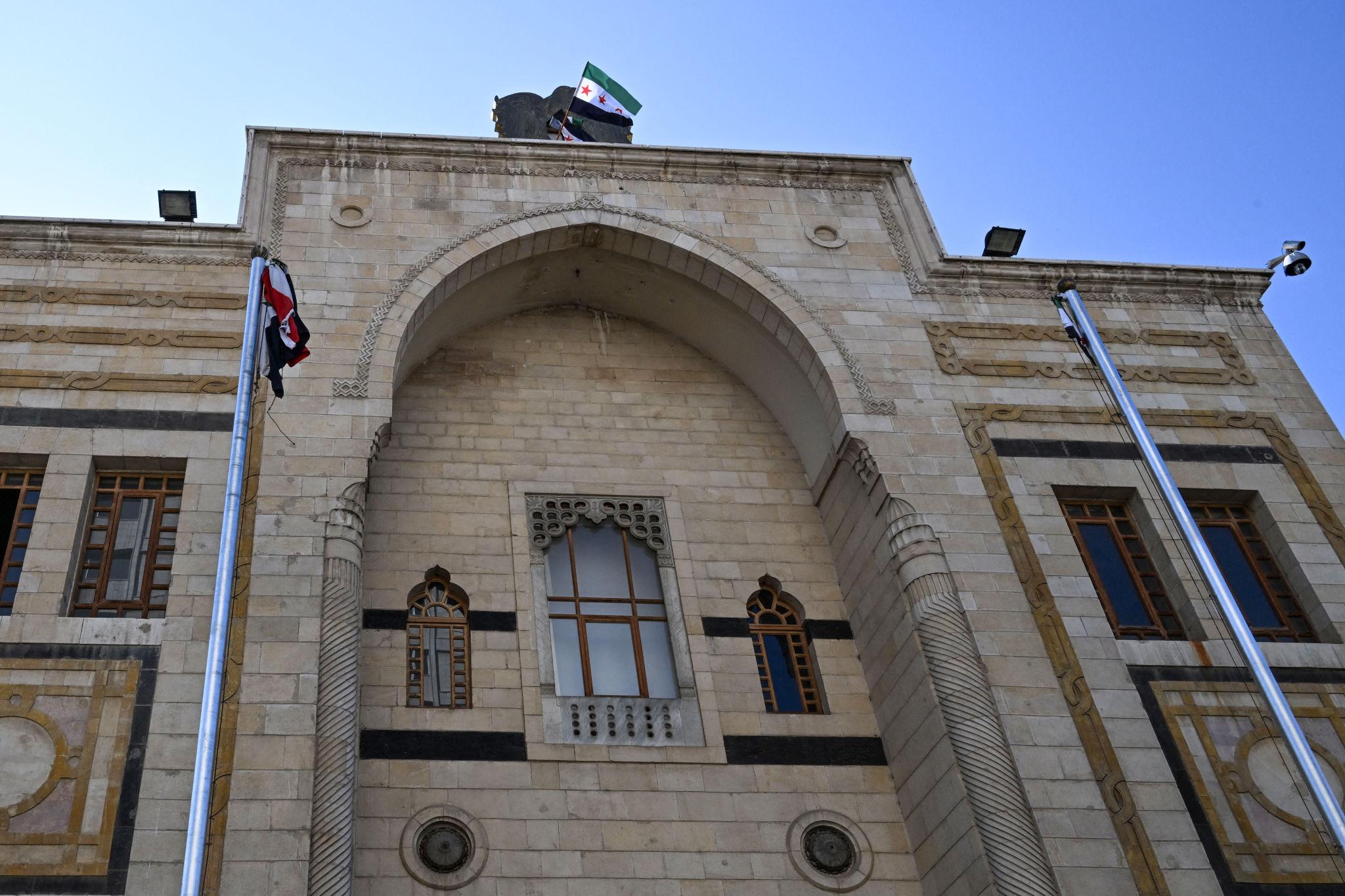
Damascus, July 1, Parliament Politics News analysis that, Syria legislative reforms entered a significant new phase after President Ahmed al-Sharaa appointed lawmakers to the country’s transitional parliament, completing one of the key political steps outlined during Syria’s post-Assad transition. The appointments allow the new legislative body to convene for its first session, where members are expected to begin debating laws aimed at rebuilding state institutions and supporting national recovery. The move comes as Syria’s leadership continues efforts to restore governance following years of civil war and political upheaval.
Main Development: New Parliament Moves Closer to First Session
President Ahmed al-Sharaa approved the final group of parliamentary appointments through presidential decrees, completing the composition of the transitional legislature. Officials have indicated that parliament will meet shortly to elect its leadership and establish legislative committees before beginning work on priority bills.
The parliament is expected to serve during Syria’s transitional period and will focus on reviewing legislation, supporting institutional reforms, and providing oversight of government policy within the framework established by the country’s constitutional declaration.
A government official said the appointments represent
“another important milestone in rebuilding Syria’s national institutions and strengthening the legislative process during the transition.”
Key Details and Background
The formation of parliament follows months of political restructuring after the fall of former President Bashar al-Assad. Earlier this year, President al-Sharaa formed a transitional government that included ministers from different religious and ethnic backgrounds, describing inclusiveness as an essential part of rebuilding the country.
The newly appointed parliament is expected to work alongside the transitional government while broader constitutional reforms continue. Authorities have argued that rebuilding functioning state institutions is necessary before nationwide elections can eventually take place.
Political observers note that Syria continues to face enormous challenges, including reconstruction, economic recovery, restoring public services, and rebuilding confidence in state institutions after more than a decade of conflict.
Syria Legislative Reforms Face Both Expectations and Challenges
The latest Syria legislative reforms have drawn both cautious optimism and international scrutiny.
Supporters argue that creating a functioning parliament is necessary to pass legislation required for reconstruction, improve public administration, and restore investor confidence.
However, some analysts and civil society organizations continue to raise questions about political representation and inclusiveness during the transitional period. International observers have said the credibility of the new parliament will depend largely on how independently it operates and whether future reforms broaden political participation.
“The parliament now has an opportunity to demonstrate that legislative institutions can contribute to Syria’s recovery through practical governance,”
said Middle East political analyst Karim Haddad.
“Its effectiveness will ultimately be measured by the laws it passes and the public confidence it earns.”
Industry and Public Impact
Businesses, humanitarian organizations, and international partners are closely watching developments in Damascus.
A functioning parliament could accelerate legislation affecting investment, reconstruction projects, infrastructure, banking reforms, and economic policy. International donors have repeatedly emphasized that transparent governance and institutional stability will play an important role in supporting Syria’s long-term recovery.
For ordinary Syrians, expectations remain centered on economic improvement. Inflation, unemployment, damaged infrastructure, and limited public services continue to affect daily life across much of the country.
Business groups also hope legislative stability could encourage foreign investment if security conditions continue to improve.
Expert Reactions and Analysis
Regional political experts describe the appointments as another milestone in Syria’s transition, while cautioning that institutional reforms will require sustained implementation.
“The creation of parliament is important symbolically,”
said regional affairs researcher Lina Mahmoud.
“The greater challenge is translating legislative authority into meaningful economic and administrative reforms that improve everyday life.”
International governments are expected to closely monitor how the parliament functions before assessing broader diplomatic and economic engagement with Syria.
Analysts also point out that legislative priorities are likely to include judicial reforms, investment regulations, budget oversight, and measures supporting reconstruction.
What Happens Next
The newly appointed lawmakers are expected to gather in Damascus for their inaugural parliamentary session, where they will elect a speaker and establish legislative committees.
The parliament’s early agenda is expected to focus on governance reforms, reconstruction legislation, economic recovery initiatives, and reviewing laws necessary to support the transitional government.
Observers say the first legislative session will provide an early indication of how effectively Syria’s new political institutions can function during the country’s transition.
The Road Ahead for Syria’s Legislative Transition
The appointment of lawmakers marks another significant chapter in Syria legislative reforms as President Ahmed al-Sharaa moves to establish functioning national institutions following years of conflict. While major political, economic, and humanitarian challenges remain, the formation of the new parliament represents an important institutional development that could influence Syria’s recovery and future governance. How effectively the legislature performs during its first months will likely shape both domestic confidence and international perceptions of Syria’s ongoing transition.