


AI computing expansion is accelerating globally as technology firms and investors increase spending on artificial intelligence infrastructure.
The growing demand for AI processors, data centers, and enterprise automation is reshaping financial and technology markets in 2026.
Industry analysts believe artificial intelligence infrastructure could become one of the largest global investment sectors this decade.
NEW YORK, New York (Parliament Politics Magazine) AI computing expansion continues reshaping global financial markets as technology companies and institutional investors are aggressively increasing investments tied to artificial intelligence infrastructure, semiconductor manufacturing, and advanced computing systems.
The rapid growth of artificial intelligence platforms has created unprecedented demand for high-performance processors, AI data centers, cloud computing services, and machine learning infrastructure across multiple industries.
Technology analysts say the current AI computing expansion represents one of the fastest-growing investment movements in modern technology history.
“Artificial intelligence infrastructure is becoming as important as internet infrastructure was two decades ago,”
one market strategist said.
The surge in AI-related spending is influencing nearly every segment of the technology industry, including semiconductors, cloud services, robotics, cybersecurity, and enterprise software.
Global Investors Increase Focus on AI Infrastructure
The ongoing AI computing expansion is attracting massive institutional investment as corporations race to secure advanced computing power needed to support generative AI systems and enterprise automation.
Financial firms believe artificial intelligence infrastructure could become one of the most profitable long-term sectors within the global economy.
Several major technology companies have announced plans to increase spending tied to:
- AI data centers
- High-performance processors
- Cloud infrastructure
- Enterprise AI software
- Machine learning platforms
Analysts say the strong momentum behind the AI computing expansion is being fueled by rising demand for advanced AI models capable of handling large-scale automation and predictive computing tasks.
The increased spending activity is also strengthening technology stock performance across global markets.
Semiconductor Industry Benefits From AI Growth
The semiconductor sector remains one of the biggest beneficiaries of the AI computing expansion as demand for AI accelerators and advanced processors continues increasing rapidly.
Chip manufacturers are investing billions into production facilities designed to support growing global demand for artificial intelligence computing hardware.
Technology experts say AI systems require far greater computational power than traditional software platforms, creating long-term growth opportunities for semiconductor companies.
“The future of artificial intelligence depends heavily on computing power and semiconductor innovation,”
a technology analyst explained.
The growing infrastructure race has also intensified global competition among countries attempting to strengthen domestic semiconductor manufacturing capabilities.
Several governments continue offering incentives to expand chip production tied to national AI development strategies.
Enterprise Businesses Expand Artificial Intelligence Adoption
The AI computing expansion is no longer limited to large technology firms. Businesses across healthcare, finance, manufacturing, logistics, education, and retail are increasingly integrating AI systems into daily operations.
Companies are using artificial intelligence to improve:
- Customer service automation
- Data analysis
- Predictive forecasting
- Cybersecurity monitoring
- Supply chain management
Market observers say enterprise adoption is accelerating because companies believe AI systems can improve efficiency while reducing long-term operating costs.
The broader use of AI across industries is expected to further increase demand for cloud computing infrastructure and advanced processing systems throughout 2026 and beyond.
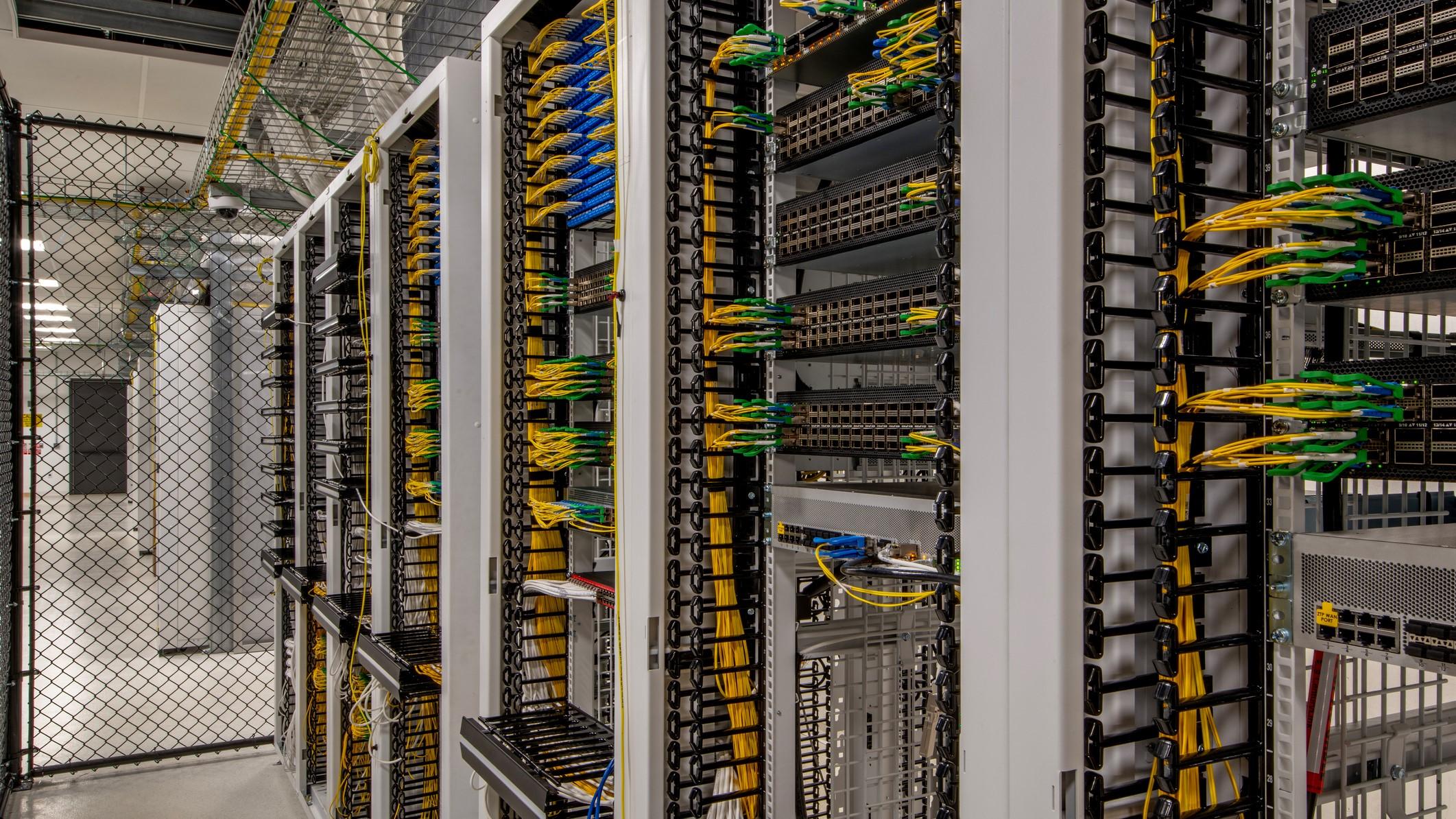
History of Artificial Intelligence Infrastructure Growth
The current AI computing expansion traces its origins to earlier advancements in machine learning and cloud computing technologies during the past decade.
Initially, artificial intelligence development focused heavily on academic research and limited enterprise applications. However, the rise of generative AI systems dramatically accelerated commercial investment worldwide.
Technology companies began increasing infrastructure spending after advanced AI models demonstrated powerful capabilities involving:
- Language generation
- Image creation
- Predictive analytics
- Automation systems
- Data processing
Industry experts believe the current wave of infrastructure growth may eventually rival the expansion of the internet economy during the early 2000s.
As AI systems continue improving, analysts expect additional growth in computing demand across nearly every sector of the global economy.
Concerns Continue Alongside Rapid Market Growth
Despite strong optimism surrounding the AI computing expansion, some analysts warn that rapid growth also presents several risks and challenges.
Technology experts continue monitoring concerns involving:
- Energy consumption
- Infrastructure costs
- Data privacy
- Regulatory oversight
- Workforce disruption
Some economists believe artificial intelligence could eventually reshape employment markets significantly as automation technologies expand into additional industries.
However, supporters argue that AI growth may also create entirely new categories of jobs connected to software engineering, cybersecurity, robotics management, and AI infrastructure operations.
“Every major technological revolution creates disruption, but it also creates opportunity,”
one economic analyst stated.
The debate surrounding long-term AI impacts continues intensifying as adoption accelerates globally.
Financial Markets Continue Watching AI Sector Closely
The AI computing expansion remains one of the strongest-performing themes across technology and financial markets in 2026.
Investors continue closely monitoring artificial intelligence companies involved in:
- AI semiconductors
- Cloud services
- Enterprise automation
- Robotics systems
- Data center infrastructure
Market strategists believe investor enthusiasm may remain elevated as long as corporate demand for AI systems continues increasing.
Several analysts predict artificial intelligence infrastructure could become one of the dominant global investment sectors over the next decade.
The technology industry is expected to remain highly competitive as companies continue racing to secure leadership positions within the rapidly expanding AI economy.
The global AI computing expansion is accelerating rapidly as corporations, investors, and governments increase spending tied to artificial intelligence infrastructure and advanced computing systems.
The technology sector continues benefiting from strong demand involving semiconductors, cloud computing, machine learning, and enterprise automation.
While concerns surrounding regulation and infrastructure costs remain, analysts believe the artificial intelligence economy could become one of the largest drivers of global technology investment throughout the coming decade.
