

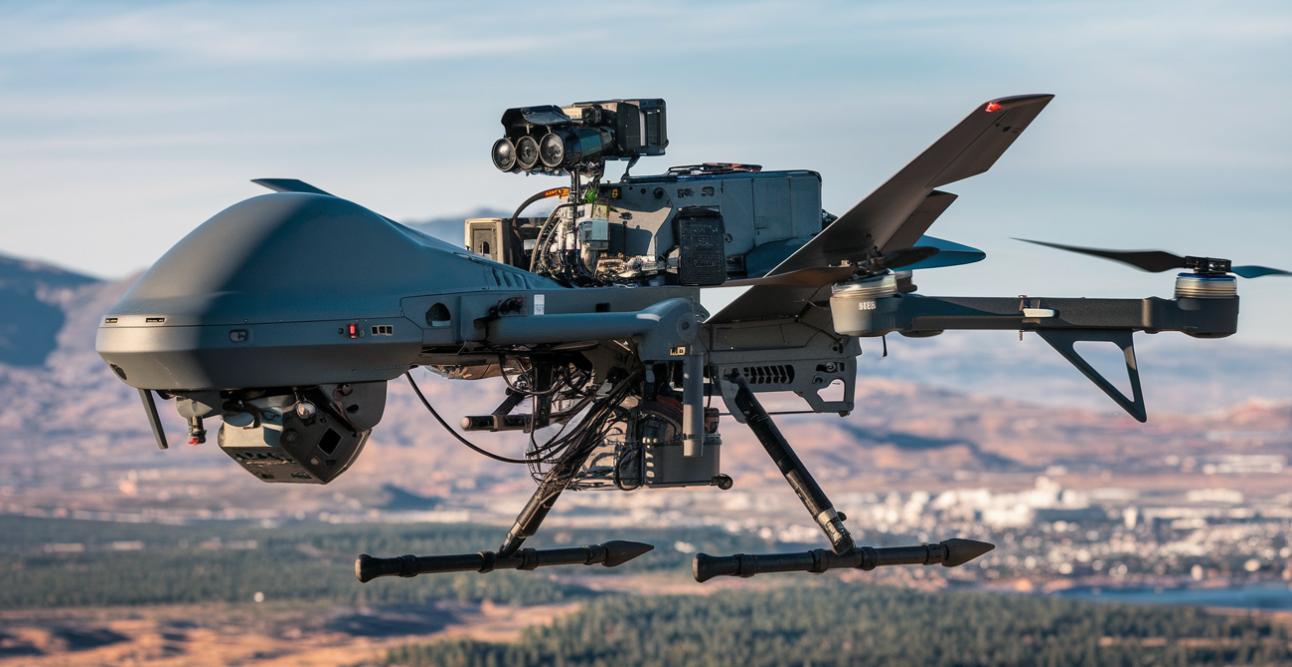
AI defense technology is rapidly transforming military operations across the United States and allied nations in 2026.
Governments and private defense firms are increasing investments in autonomous systems, military AI software, and surveillance technologies.
Industry experts say artificial intelligence could redefine the future of warfare, national security, and global defense spending.
WASHINGTON, D.C., USA (Politics Parliament Magazine) AI defense technology is becoming one of the fastest-growing sectors in global military spending as governments, private investors, and defense contractors accelerate investments in artificial intelligence-driven warfare systems, autonomous drones, surveillance software, and battlefield intelligence platforms. The rapid expansion of military-focused AI programs is reshaping defense priorities across the United States and allied nations during 2026.
Defense analysts say growing geopolitical tensions, cybersecurity threats, and modern battlefield challenges are pushing nations toward faster adoption of advanced military technologies powered by artificial intelligence. Major defense firms and startup companies are now competing aggressively to secure contracts tied to autonomous military systems and AI-powered operational software.
“Artificial intelligence is no longer experimental in defense strategy. It is becoming central to military planning,”
one defense analyst stated.
History of Artificial Intelligence in Military Operations
The development of AI defense technology did not emerge overnight. Military organizations have experimented with artificial intelligence concepts for decades, particularly during the Cold War era when early computer systems were introduced for intelligence analysis and missile defense monitoring.
Over time, improvements in computing power, machine learning, and data processing allowed defense agencies to integrate AI into more advanced operational systems. The wars in Iraq and Afghanistan accelerated interest in surveillance drones and predictive analytics tools designed to improve battlefield awareness.
By the early 2020s, military modernization programs began shifting toward fully integrated AI ecosystems capable of supporting autonomous vehicles, cyber defense systems, and advanced command operations.
Today, defense analysts believe artificial intelligence could become as strategically important as air power and cyber warfare in future conflicts.

Private Defense Firms Accelerate Innovation
Private technology firms are playing an increasingly important role in advancing AI defense technology across the defense sector.
Traditional defense contractors are now competing with software-focused startups that specialize in artificial intelligence, robotics, and autonomous systems. This shift has changed how governments approach military procurement and innovation strategies.
Many defense startups emphasize rapid development cycles and software integration rather than traditional manufacturing-heavy defense models. Investors have responded by directing billions of dollars into companies developing military AI applications.
Industry experts say the competition between established defense contractors and emerging technology firms could reshape the global defense market over the next decade.
“The future battlefield will likely be defined by software superiority and autonomous coordination,”
one military technology expert explained.
Cybersecurity and Intelligence Operations Expand
The rise of AI defense technology is also influencing cybersecurity and intelligence operations.
Modern AI systems can analyze massive volumes of digital information to detect cyber threats, monitor suspicious activity, and identify potential vulnerabilities faster than traditional methods. Governments increasingly rely on AI-driven systems to strengthen national cybersecurity defenses against state-sponsored cyberattacks and digital espionage.
Artificial intelligence tools are also improving military intelligence analysis by helping agencies process satellite imagery, communication intercepts, and surveillance data more efficiently.
The integration of AI into intelligence operations has become one of the fastest-growing segments within the broader defense technology industry.
Key Facts About AI Defense Technology in 2026
| Category | Details |
|---|---|
| Industry | Defense Technology |
| Focus Area | Artificial Intelligence |
| Key Technologies | Autonomous Drones, AI Surveillance, Robotics |
| Leading Market | United States |
| Global Trend | Rising Military AI Investment |
| Year | 2026 |
Ethical and Regulatory Questions Continue
As AI defense technology expands, ethical concerns surrounding autonomous weapons and machine-driven warfare continue attracting international attention.
Critics argue that fully autonomous military systems could create accountability challenges during armed conflicts. Others warn that rapid AI militarization may increase global instability if regulations fail to keep pace with technological development.
Several international organizations and policy groups have called for clearer standards governing autonomous weapons systems and military AI applications.
Despite these concerns, governments continue investing heavily in military artificial intelligence programs due to growing security pressures and strategic competition.
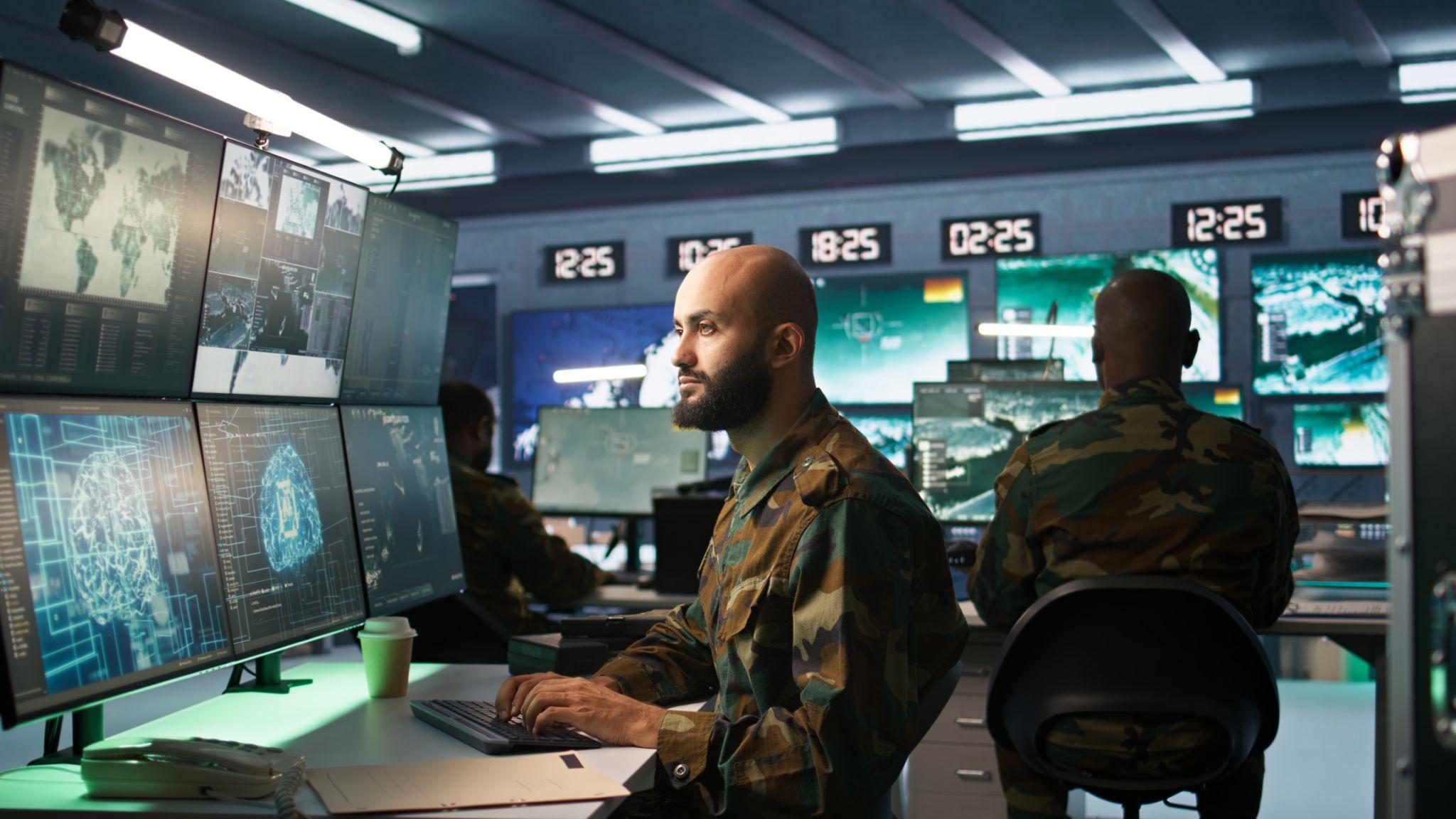
AI Defense Technology Reshapes Global Military Strategy in 2026
The rapid rise of AI defense technology in 2026 reflects a major transformation in global military strategy, defense spending, and national security priorities. Artificial intelligence is no longer viewed as a future concept within military planning. Instead, it has become a central component of modern warfare, cybersecurity, intelligence gathering, and autonomous defense operations.
As geopolitical tensions continue shaping defense policies worldwide, investment in military AI systems is expected to grow even further. Industry analysts believe nations capable of leading in artificial intelligence-driven defense infrastructure may gain significant strategic advantages in future conflicts.
