


MADRID, Spain (Politics Parliament Magazine) AI governance debate continues intensifying worldwide in 2026 as governments expand efforts to regulate artificial intelligence systems, social media platforms, and advanced digital technologies.
The growing international focus on AI oversight reflects rising concerns involving misinformation, algorithm transparency, cybersecurity risks, and data privacy protections. Governments across Europe, North America, and Asia are increasingly developing legal frameworks designed to manage the rapid expansion of artificial intelligence technologies.
Technology firms continue warning that aggressive regulation could slow innovation and reduce competitiveness in one of the world’s fastest-growing industries.
One European technology analyst stated:
“Artificial intelligence is advancing faster than most governments originally expected, forcing regulators to respond much more aggressively.”
Governments Increase Oversight of Artificial Intelligence
The expanding AI governance debate is pushing governments to introduce stricter rules targeting AI-generated content, digital advertising systems, and automated online platforms.
Officials are focusing on:
- AI transparency requirements
- User privacy protections
- Algorithm accountability
- Cybersecurity safeguards
- AI-generated misinformation
- Digital platform oversight
Supporters of regulation argue that stronger oversight is necessary because artificial intelligence systems now influence public communication, financial markets, education, and political discourse worldwide.
The rapid growth of AI tools has significantly increased pressure on lawmakers to modernize digital policies capable of managing emerging technological risks.
Industry experts believe the global AI governance debate could become one of the defining political and economic issues of the decade.
Technology Companies Push Back Against Regulations
The growing AI governance debate has also intensified tensions between governments and major technology companies.
Large digital firms continue lobbying against some regulations, arguing that excessive oversight could:
- Slow AI innovation
- Increase compliance costs
- Create operational uncertainty
- Reduce investment activity
- Limit technology development
Technology executives argue that artificial intelligence is evolving rapidly and requires flexible regulatory approaches.
However, policymakers increasingly believe stronger rules are necessary to reduce misinformation risks and improve public trust in digital systems.
Another international policy expert commented:
“Governments are trying to balance technological innovation with accountability and public safety.”
Global AI Regulation and Governance Trends in 2026
| Category | 2026 Estimate |
|---|---|
| Global AI Market Value | $500+ Billion |
| Countries Expanding AI Laws | 70+ |
| AI Regulation Activity | Record High |
| AI Infrastructure Spending | Rapid Growth |
| Digital Oversight Programs | Expanding |
| AI Compliance Costs | Rising Worldwide |
Social Media Oversight Expands Worldwide
A major part of the growing AI governance debate involves increased oversight of social media companies and online communication platforms.
Governments worldwide are examining how digital platforms handle:
- AI-generated misinformation
- Political advertising
- User data privacy
- Harmful online content
- Automated recommendations
- Digital safety enforcement
Officials argue that social media algorithms increasingly influence public opinion and online behavior.
Several countries are considering stronger penalties for platforms that fail to address harmful AI-generated content or cybersecurity threats effectively.
Technology companies continue investing heavily in moderation systems and AI safety programs as pressure from regulators continues increasing.
The broader AI governance debate is expected to influence future digital communication standards worldwide.

History of AI Regulation Efforts
The modern AI governance debate accelerated during the early 2020s as artificial intelligence systems became more advanced and widely adopted across industries.
Initially, AI discussions focused mainly on automation and productivity improvements. Over time, concerns expanded into areas involving deepfake technology, automated misinformation, AI bias, and privacy risks.
Governments recognized that existing legal systems were not designed to manage rapidly evolving AI technologies.
The European Union became one of the first major regions pursuing large-scale AI oversight policies, influencing global conversations surrounding digital governance and online accountability.
Today, the global AI governance debate affects technology companies, investors, policymakers, and businesses operating in nearly every major industry.
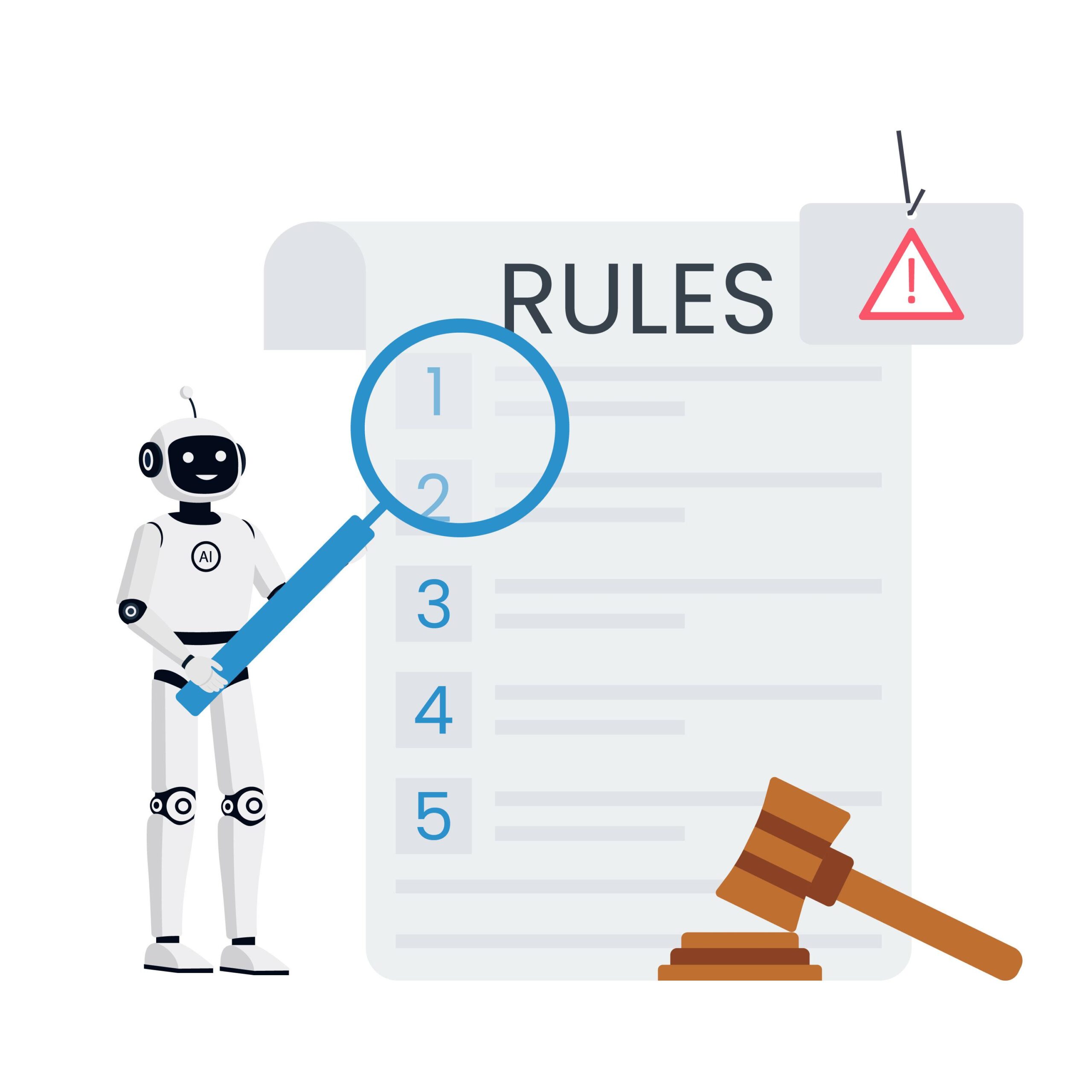
Artificial Intelligence Reshapes the Global Economy
The continued expansion of the AI governance debate reflects the growing influence of artificial intelligence across the global economy.
AI technologies are rapidly transforming industries including:
- Healthcare
- Finance
- Transportation
- Manufacturing
- Retail
- Government services
Businesses worldwide are increasing investments in AI infrastructure to improve automation, efficiency, and digital operations.
Analysts believe artificial intelligence could reshape labor markets, economic productivity, and technology innovation for many years.
The ongoing AI governance debate is likely to influence how governments balance innovation, regulation, and public protection moving forward.
One digital strategist stated:
“Artificial intelligence is becoming one of the most important forces shaping the future global economy.”
