

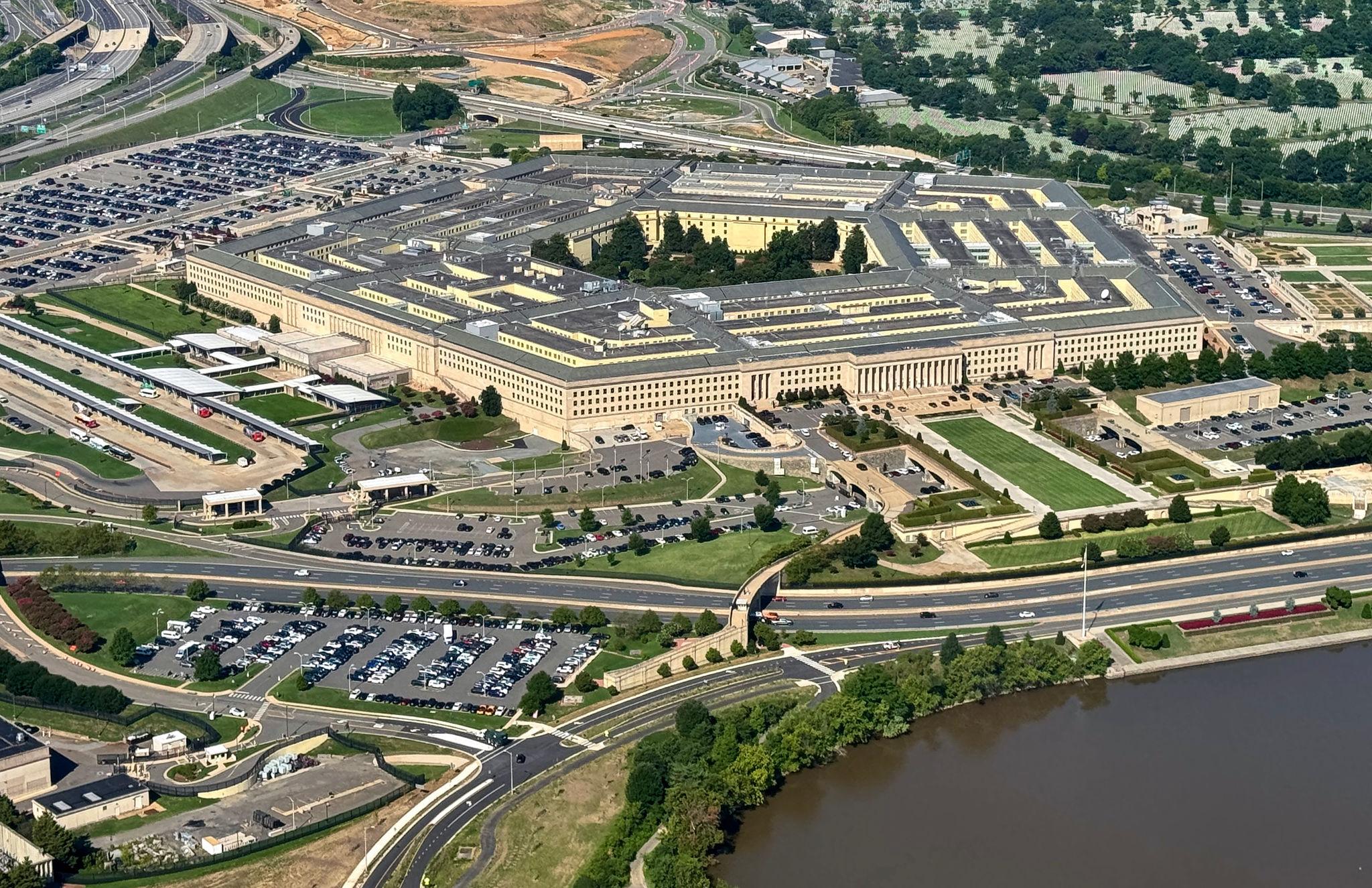
AI national security is rapidly redefining global defense strategies.
Google’s classified Pentagon deal highlights growing reliance on artificial intelligence.
The shift raises urgent questions about ethics, control, and future warfare.
Washington, April 28, 2026 (Parliament Politics Magazine) AI national security takes center stage in Washington, April 2026, as Google expands its role in defense through a classified agreement with the Pentagon, according to developments highlighted by The Information. The agreement signals a pivotal shift in how artificial intelligence is integrated into military operations, reflecting intensifying global competition in advanced technologies.
Officials familiar with the matter indicate that the collaboration focuses on enhancing data analysis, predictive modeling, and real-time decision-making capabilities. These tools are expected to improve operational efficiency while providing strategic advantages in complex security environments.
A senior defense strategist stated,
“Artificial intelligence is no longer optional in defense. It is becoming the backbone of national security strategy.”
Strategic Integration of Artificial Intelligence in Defense Systems
Governments worldwide are accelerating the adoption of artificial intelligence within military frameworks. The latest developments illustrate how advanced algorithms are being embedded into command systems, intelligence operations, and battlefield planning.
AI national security is now a defining factor in determining a country’s defense readiness. Systems powered by machine learning can process vast amounts of information faster than human analysts, enabling quicker and more informed decisions.
However, the rapid pace of integration also introduces new challenges, particularly in ensuring that these systems operate reliably under high-stakes conditions.
Cybersecurity and Data Control Become Critical Priorities
As artificial intelligence becomes central to defense operations, the importance of cybersecurity has intensified. Protecting sensitive data and maintaining control over digital systems are essential components of modern military strategy.
AI national security emphasizes the need for secure infrastructure that can withstand cyber threats. Experts warn that vulnerabilities in AI systems could be exploited, potentially compromising critical operations.
A cybersecurity analyst noted,
“The strength of AI in defense lies in data. If that data is compromised, the entire system is at risk.”
Ethical Concerns Surround Autonomous Decision-Making
The use of artificial intelligence in defense raises significant ethical questions. Autonomous systems capable of making decisions without human intervention have become a focal point of debate.
AI national security discussions often center on the balance between efficiency and accountability. While automation can enhance performance, it also raises concerns about transparency and control.
A technology ethics expert stated,
“We must ensure that human oversight remains central, even as systems become more advanced.”

Global Competition Intensifies in AI Development
The race to develop advanced artificial intelligence technologies is intensifying among major global powers. Countries are investing heavily in research and development to gain a strategic edge.
AI national security is at the forefront of this competition, influencing policy decisions and international relations. The integration of AI into defense systems is seen as a critical factor in maintaining geopolitical influence.
Analysts suggest that collaborations between governments and private companies will play a key role in shaping future developments.
Economic Impact and Innovation Opportunities
The expansion of AI in defense is expected to drive innovation across multiple sectors. Technologies developed for military use often find applications in commercial industries, leading to broader economic benefits.
AI national security initiatives could accelerate advancements in areas such as cybersecurity, data analytics, and automation. These developments have the potential to reshape industries and create new opportunities for growth.
However, the concentration of resources in defense applications may also influence the direction of technological progress.
Industry Response Highlights Growing Complexity
The involvement of private companies in defense projects has sparked debate within the technology sector. While some view these partnerships as essential, others raise concerns about ethical responsibilities and public perception.
AI national security initiatives require companies to navigate complex considerations, balancing innovation with accountability. The decisions made today will have long-term implications for both the industry and society.
Historical Context of AI in National Defense
The integration of technology into military operations has evolved significantly over time. From early computing systems to advanced digital networks, each phase has transformed how defense strategies are developed and executed.
AI national security represents the latest stage in this evolution, introducing capabilities that were once considered theoretical. The current landscape reflects a convergence of technological innovation and strategic necessity.
Policy and Regulatory Challenges Ahead
As artificial intelligence becomes more embedded in defense systems, governments must establish clear regulatory frameworks. These frameworks should address issues such as accountability, transparency, and ethical use.
AI national security policies will need to adapt to rapidly changing technologies, ensuring that systems remain secure and effective. Collaboration between governments, industry, and international organizations will be critical.
Key Facts and Developments
- Country: United States
- City: Washington, D.C.
- Year: 2026
- Focus Keyword: AI national security
- Key Development: Google expands AI partnership with Pentagon
- Primary Objective: Enhance defense capabilities through AI
- Concerns: Ethics, cybersecurity, transparency
- Global Impact: Intensified competition in AI development

Key Takeaways: AI Reshaping National Security Strategy
AI national security is transforming how nations approach defense, with artificial intelligence becoming a central component of military strategy. The partnership between government and technology companies highlights the importance of innovation in maintaining strategic advantage.
At the same time, the development raises critical questions about ethics, oversight, and the balance between technological progress and accountability.
