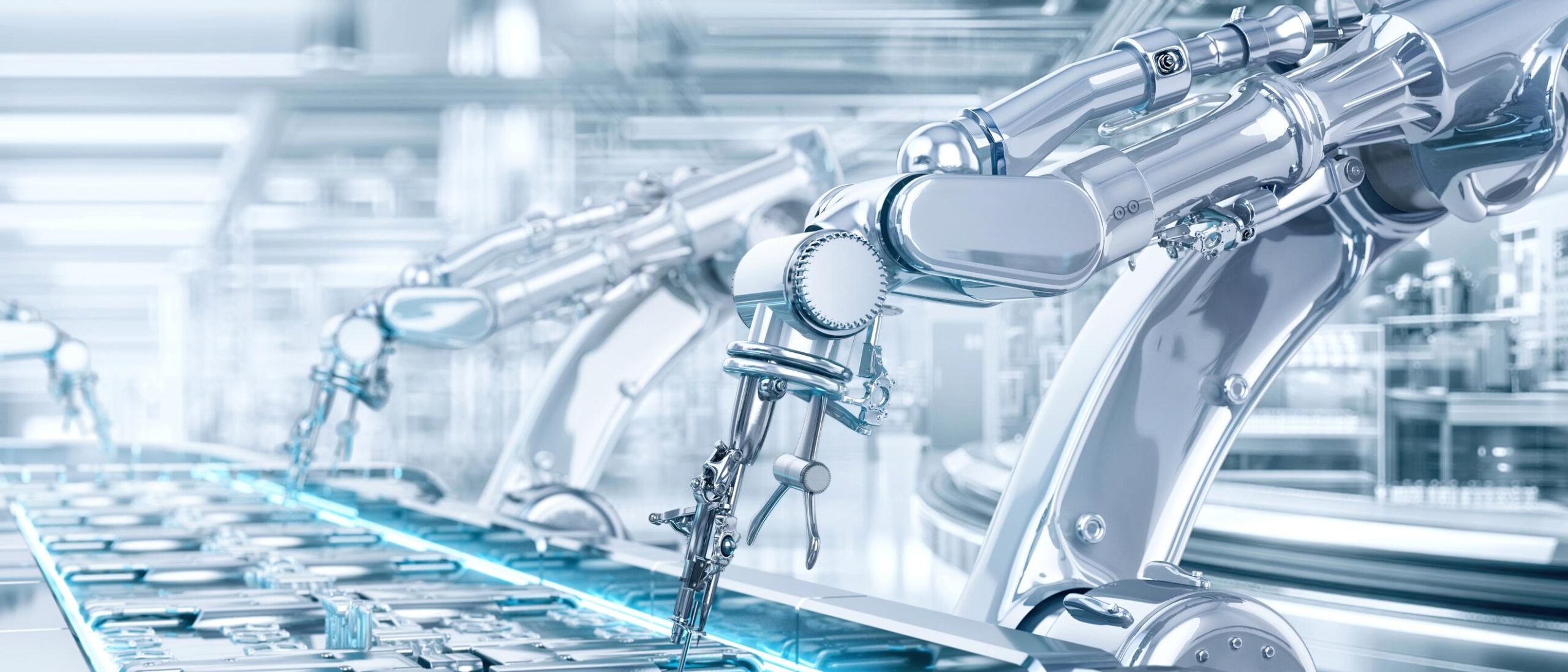
AI robotics investment is surging in 2026 as China’s Linkerbot targets a $6 billion valuation.
The company’s robotic hand technology is attracting strong global investor interest.
Automation and intelligent systems are driving the next wave of industrial innovation.
Beijing, China, (Parliament Politics Magazine) AI robotics investment is accelerating sharply as Linkerbot moves toward a reported $6 billion valuation, underscoring rising global demand for automation and intelligent robotics systems. The development signals a broader shift in capital allocation toward technologies that combine artificial intelligence with physical automation.
Investors are increasingly prioritizing robotics platforms capable of improving efficiency, reducing labor dependency, and enhancing precision across industries. Linkerbot’s specialization in robotic hand systems has placed it at the center of this rapidly expanding market.
AI Robotics Investment 2026
- Focus Keyword: AI robotics investment
- Company Highlight: Linkerbot
- Valuation Target: $6 billion
- Core Technology: Robotic hands and automation systems
- Key Markets: Manufacturing, healthcare, logistics
- Growth Driver: Demand for automation and efficiency
- Global Leaders: China, United States, Japan
- 2026 Outlook: Rapid expansion with strong investor backing
Linkerbot Emerges as a Key Player in Robotics Innovation
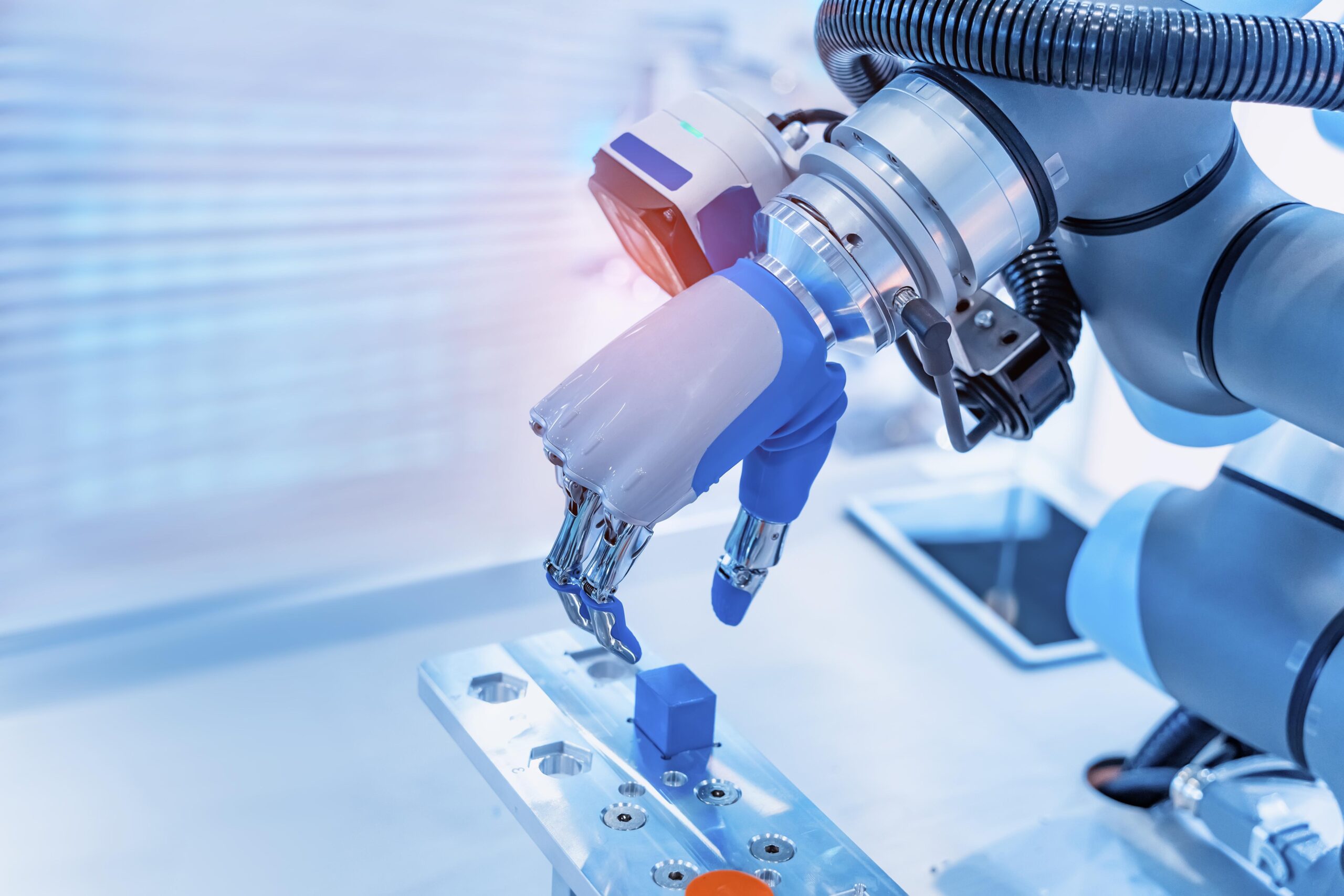
Linkerbot has quickly gained recognition as a leading innovator in robotic hand technology. Its systems are designed to replicate human dexterity, enabling machines to perform tasks that require precision and adaptability.
This capability is particularly valuable in industries where automation has traditionally been limited by the complexity of human-like movements.
A robotics analyst stated:
“Robotic hands are the missing link in achieving full automation across multiple industries.”
Why Robotic Hands Are Transforming Automation
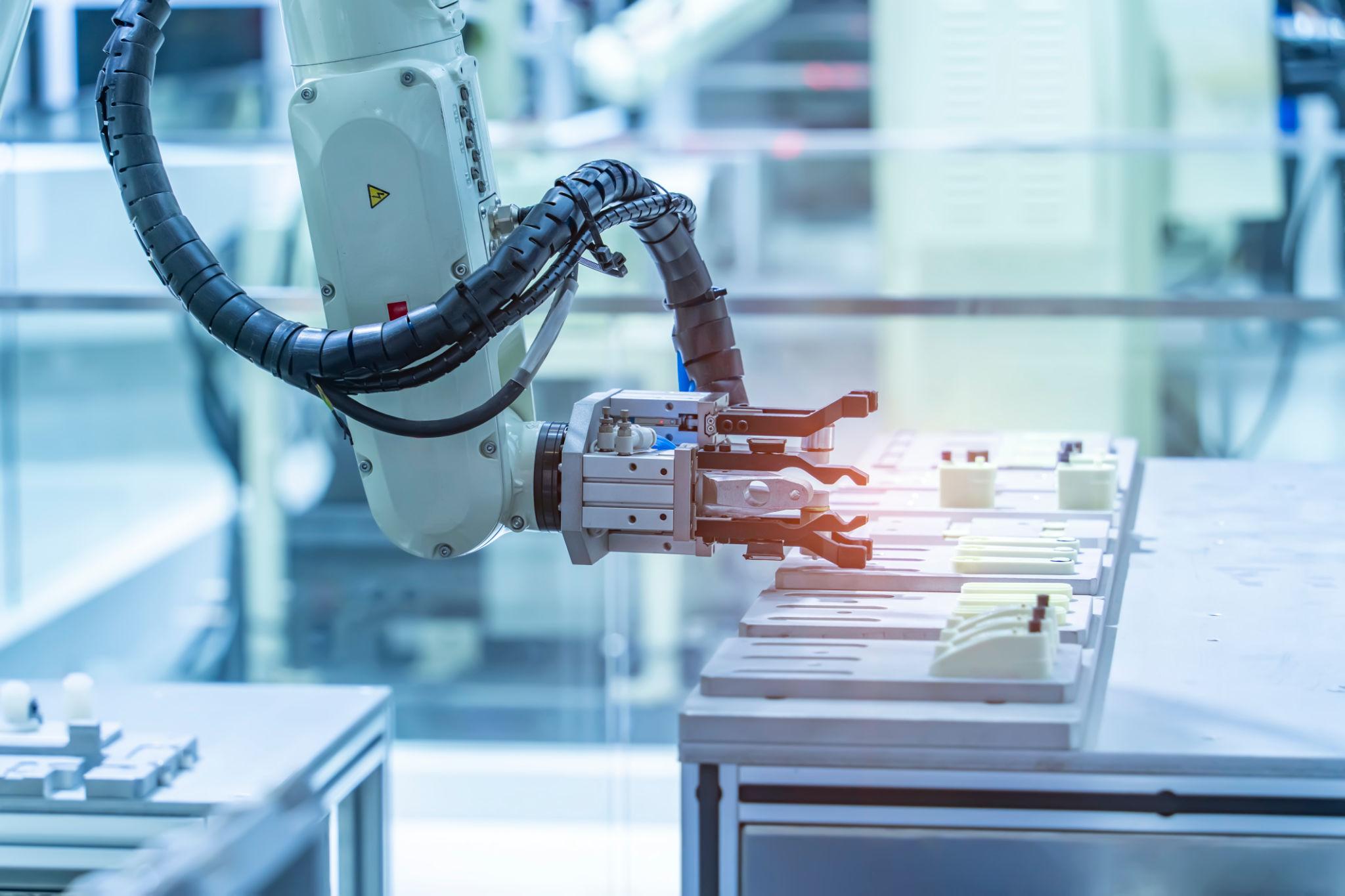
Robotic hands represent a significant advancement over traditional automation tools. Unlike basic robotic arms, these systems can handle intricate tasks such as assembling small components or managing delicate materials.
Key advantages include:
- Greater precision and control
- Increased operational efficiency
- Reduced human error
- Enhanced safety in hazardous environments
These benefits are driving widespread adoption across industrial sectors.
Competitive Landscape in AI Robotics Investment
The robotics industry is experiencing intense competition as companies race to develop advanced automation solutions. While established players continue to invest heavily, startups like Linkerbot are gaining traction by focusing on specialized technologies.
Government support in China has also played a role in accelerating innovation, providing funding and infrastructure to support emerging companies.
Market Trends Driving AI Robotics Investment
Several key trends are fueling growth:
- Rising labor costs in manufacturing
- Increased demand for automation
- Advances in AI and machine learning
- Expansion of smart factory initiatives
These factors are creating a favorable environment for robotics companies to scale and attract investment.
History of Robotics Investment and Innovation
The robotics industry has evolved significantly over the past few decades. Early systems were limited to repetitive tasks, but advancements in AI have enabled more complex and adaptive capabilities.
Investment in robotics has grown steadily, with recent years seeing a surge in funding for companies developing intelligent systems. This trend reflects the increasing importance of automation in the global economy.
Financial Markets Show Strong Confidence in Robotics
The reported valuation target for Linkerbot highlights strong investor confidence in the robotics sector. Venture capital firms and institutional investors are allocating significant resources to companies that demonstrate innovation and scalability.
A financial strategist commented:
“Robotics is becoming a cornerstone of modern industrial strategy.”
Challenges Facing Robotics Companies
Despite strong growth prospects, the robotics sector faces several challenges:
- High development costs
- Technical complexity
- Integration with existing systems
- Global competition
Companies must navigate these obstacles while continuing to innovate.
Industry Quotes Reflect Growing Importance
“Automation is redefining how industries operate globally.”
“The integration of AI with robotics is unlocking new possibilities.”
“Investment in robotics will shape the future of manufacturing.”
Future Outlook for AI Robotics Investment
The outlook for AI robotics investment remains highly positive. As industries continue to adopt automation technologies, demand for advanced robotics systems is expected to increase.
Linkerbot’s focus on robotic hand technology positions it well to capitalize on these opportunities and drive future growth.
AI Robotics Investment Drives Industry Transformation
AI robotics investment is accelerating in 2026 as Linkerbot targets a $6 billion valuation. The company’s innovation in robotic hand technology reflects broader industry trends toward automation and intelligent systems. As demand continues to grow, robotics is set to play a central role in shaping the future of global industries.