

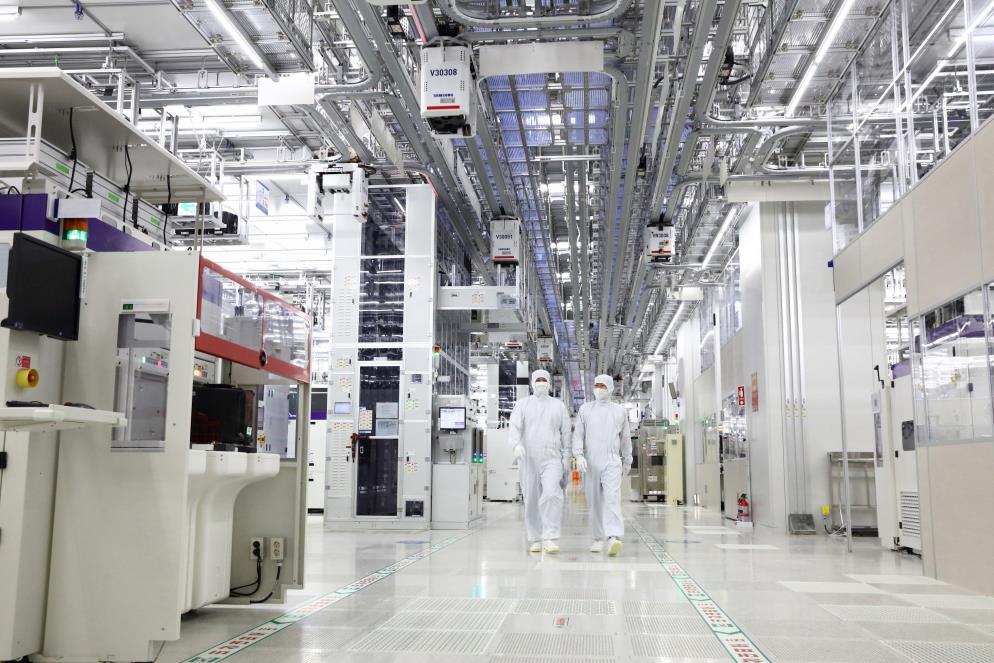
Samsung Electronics’ labor union is entering mediation talks as wage tensions rise inside South Korea’s semiconductor sector.
The dispute is increasing concerns about AI semiconductor production and global technology supply chain stability in 2026.
Investors are closely watching how labor negotiations could impact semiconductor manufacturing and AI hardware markets.
SEOUL, South Korea (Parliament Politics Magazine) AI semiconductor production entered the global spotlight after Samsung Electronics’ labor union announced plans to begin formal mediation talks over an escalating wage dispute involving workers at one of the world’s most important technology companies.
The negotiations are receiving intense attention across international markets because Samsung Electronics remains a major force in semiconductor manufacturing, memory chip production, and artificial intelligence hardware infrastructure. Analysts warn that labor instability inside key semiconductor companies could affect global supply chains already facing rising geopolitical and economic pressure.
The dispute also highlights growing tensions between expanding corporate profits in the technology industry and increasing worker demands for higher wages and improved workplace conditions.
“Semiconductor manufacturing stability has become essential to the future global economy,”
one Seoul-based technology strategist stated after mediation plans were announced.
Why Samsung Matters to AI Semiconductor Production
The latest AI semiconductor production concerns are especially significant because Samsung Electronics plays a central role in the global technology supply chain.
Samsung produces advanced memory chips, processors, and semiconductor systems used in:
- Artificial intelligence infrastructure
- Data centers
- Smartphones
- Cloud computing systems
- Autonomous vehicle technologies
- Robotics and automation
The company competes directly with some of the world’s largest semiconductor manufacturers, making labor disputes inside Samsung important far beyond South Korea alone.
Global technology firms rely heavily on Samsung’s semiconductor output to support rapidly expanding AI demand worldwide.
Wage Dispute Raises Investor Concerns
The growing AI semiconductor production debate intensified after labor representatives announced plans to pursue mediation over wages and workplace-related issues.
Financial markets reacted cautiously because semiconductor manufacturing disruptions could potentially influence production schedules and technology supply chains globally.
Workers across South Korea’s technology industry have increasingly pushed for stronger compensation packages amid inflation, rising living costs, and record global investment into artificial intelligence infrastructure.
Some analysts believe mediation could help reduce tensions before larger labor actions occur, while others warn that prolonged negotiations may increase uncertainty across semiconductor markets.
“The AI industry depends on stable semiconductor production capacity,”
one international semiconductor analyst explained.
South Korea’s Semiconductor Industry Remains Strategic
The latest AI semiconductor production developments are unfolding during a crucial period for South Korea’s economy.
South Korea remains one of the world’s leading semiconductor manufacturing nations, competing directly with Taiwan, Japan, China, and the United States for technology leadership. Samsung Electronics serves as one of the country’s largest exporters and most influential industrial companies.
Semiconductors are now viewed as strategic national assets because they support industries tied to:
- Artificial intelligence
- National defense
- Telecommunications
- Financial technology
- Healthcare systems
- Consumer electronics
As global competition intensifies, governments increasingly consider semiconductor stability critical to long-term economic security.
AI Infrastructure Demand Continues Accelerating
Even amid labor concerns, global AI semiconductor production demand continues growing at an aggressive pace in 2026.
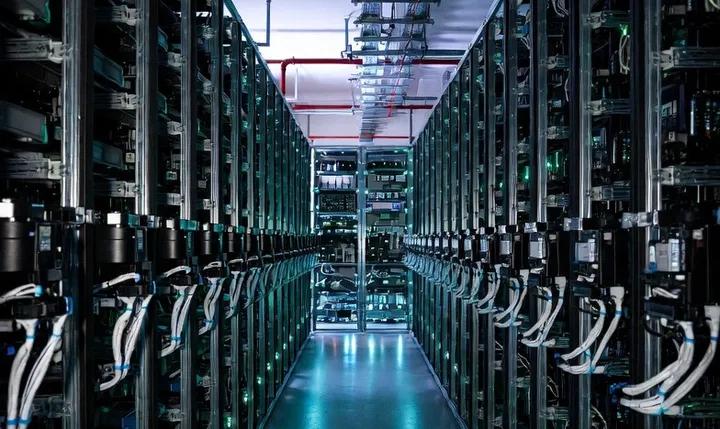
Artificial intelligence systems require enormous computing power supported by advanced chips, high-performance memory systems, and large-scale data center infrastructure. Technology firms worldwide continue investing billions into AI expansion projects across multiple industries.
Semiconductor demand is rising rapidly because businesses are expanding AI capabilities involving:
- Machine learning systems
- Automation platforms
- Cloud services
- Cybersecurity infrastructure
- AI-powered robotics
- Autonomous transportation
This rapid growth is increasing pressure on semiconductor manufacturers to maintain stable operations while managing workforce expectations.
“Artificial intelligence growth depends entirely on reliable chip manufacturing,”
one industry executive stated during a Seoul technology conference.
History of Samsung’s Labor Relations
The latest AI semiconductor production concerns also reflect Samsung’s evolving relationship with organized labor.
For decades, Samsung maintained a reputation for limited union influence compared to other industrial sectors within South Korea. However, labor organization gradually expanded inside the company as worker expectations changed and labor laws evolved.
Recent years have seen growing employee activism involving wages, benefits, workplace transparency, and employment protections.
Industry analysts believe the mediation process may represent a broader shift in how labor negotiations are handled inside global technology companies.
The outcome could influence future workforce relations across the semiconductor industry.
Global Semiconductor Competition Intensifies
The expanding AI semiconductor production discussions also highlight growing international competition involving semiconductor manufacturing and artificial intelligence infrastructure.
Countries worldwide are aggressively investing in semiconductor independence to reduce reliance on foreign supply chains and secure long-term technological leadership.
Governments in the United States, Japan, South Korea, Taiwan, China, and Europe continue funding semiconductor expansion projects tied to AI development.
Technology experts believe the future balance of economic power may depend heavily on which countries dominate advanced semiconductor manufacturing during the next decade.
Mediation Could Prevent Larger Supply Chain Disruptions
Many market analysts believe successful mediation could help stabilize AI semiconductor production while reducing risks tied to broader labor disruptions.
Formal mediation often serves as an important step in South Korea’s labor negotiation process because it encourages compromise before larger industrial actions occur.
Technology companies globally are watching closely because workforce stability has become increasingly important as semiconductor demand continues surging.
Some investors worry prolonged disputes could eventually affect pricing, manufacturing capacity, and semiconductor delivery timelines throughout the AI industry.
Others believe stronger labor agreements may improve long-term workforce retention and production reliability.
AI Semiconductor Production Remains a Global Priority
The latest AI semiconductor production concerns involving Samsung Electronics demonstrate how semiconductor manufacturing has become one of the world’s most strategically important industries.
Artificial intelligence expansion, cloud computing growth, autonomous systems, and advanced robotics all depend heavily on stable semiconductor supply chains.
As AI adoption accelerates globally, semiconductor companies are under increasing pressure to balance production growth, workforce stability, and rising geopolitical competition simultaneously.
Industry observers expect labor negotiations, semiconductor investments, and AI infrastructure expansion to remain major global economic themes throughout 2026.
Technology Market Summary
The latest mediation talks involving Samsung Electronics and its labor union have intensified global concerns surrounding AI semiconductor production during a period of rapidly expanding artificial intelligence demand.
Samsung’s role within global semiconductor supply chains makes the wage dispute especially significant for investors, technology firms, and governments worldwide. Analysts believe workforce stability inside major semiconductor manufacturers will become increasingly important as AI infrastructure investment accelerates across international markets.
While mediation may help reduce immediate labor tensions, the broader challenges involving wages, supply chains, and semiconductor competition are expected to continue shaping the future of the global technology industry throughout 2026.
AI Semiconductor Production 2026
Main Company: Samsung Electronics
Primary Issue: Wage dispute mediation
Industry Focus: AI semiconductor production
Location: Seoul, South Korea
Year: 2026
Sector Impacted: Semiconductor and AI infrastructure
Main Concern: Labor stability and production continuity
Global Market Focus: AI chip manufacturing and supply chains
