

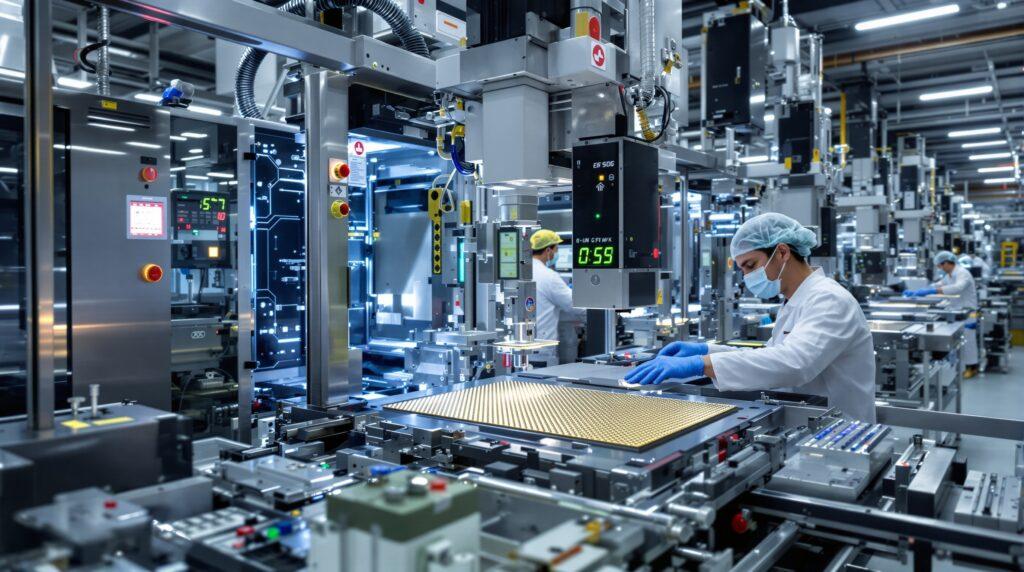
The AI semiconductor race is rapidly transforming the global technology industry in 2026.
Chipmakers and governments are investing billions to secure leadership in artificial intelligence infrastructure.
Industry analysts say advanced semiconductors will shape the future of economic and technological power worldwide.
SILICON VALLEY, California (Parliament Politics Magazine) The AI semiconductor race is accelerating worldwide as technology companies, governments, and chip manufacturers intensify efforts to secure dominance in artificial intelligence infrastructure and advanced computing systems.
The global semiconductor industry is now experiencing one of the largest investment cycles in modern history as rising demand for AI processors reshapes technology markets, manufacturing priorities, and geopolitical strategies.
Major semiconductor firms are rapidly expanding fabrication facilities, developing next-generation AI processors, and increasing research spending to meet growing demand from cloud computing providers, data centers, robotics firms, and enterprise artificial intelligence platforms.
“Artificial intelligence has triggered a global semiconductor arms race,”
one industry analyst said.
“The countries and companies leading chip innovation may define the future of economic power.”
The expanding AI market has transformed semiconductors into one of the world’s most strategically important industries.
Global Chipmakers Expand AI Infrastructure Investments
The growing AI semiconductor race has pushed leading technology companies to dramatically increase investments in advanced chip manufacturing and artificial intelligence infrastructure.
Technology firms are focusing heavily on:
- AI accelerator chips
- High-performance processors
- Cloud computing hardware
- Advanced memory systems
- Semiconductor packaging technologies
- Data center infrastructure
The rapid expansion of generative AI systems and machine learning platforms has created unprecedented demand for advanced semiconductors capable of handling large-scale computational workloads.
Industry experts say semiconductor companies are now competing not only for profitability but also for long-term control over future artificial intelligence ecosystems.
Several governments have also introduced semiconductor incentive programs aimed at strengthening domestic manufacturing capabilities.
Global AI Semiconductor Industry Trends
| Semiconductor Industry Indicator | 2026 Outlook |
|---|---|
| AI chip demand | Strong global expansion |
| Semiconductor factory construction | Accelerating |
| Data center investment | Record spending levels |
| Government semiconductor incentives | Increasing worldwide |
| Advanced AI infrastructure growth | Rapid development |
Artificial Intelligence Demand Drives Semiconductor Growth
The ongoing AI semiconductor race is being fueled by extraordinary growth in artificial intelligence applications across multiple industries.
Demand continues rising for:
- Large language models
- AI cloud computing
- Robotics automation
- Autonomous vehicles
- AI cybersecurity systems
- Enterprise machine learning platforms
Technology companies are investing billions into AI data centers requiring increasingly advanced processors and networking systems.
The rapid adoption of AI software tools has significantly increased semiconductor demand, particularly for graphics processing units and specialized AI accelerators.
Industry analysts expect AI-related semiconductor spending to remain one of the fastest-growing segments of the global technology market throughout the remainder of the decade.
“AI infrastructure demand is expanding faster than many companies anticipated,”
one semiconductor strategist explained.
“The industry is racing to keep pace.”
Governments Treat Semiconductors as Strategic Assets
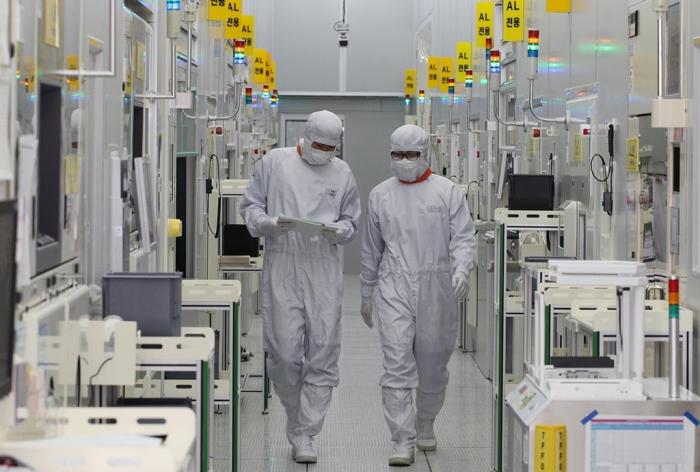
The growing AI semiconductor race has also become a geopolitical issue as governments worldwide attempt to secure greater control over advanced semiconductor supply chains.
Countries including the United States, China, South Korea, Japan, Taiwan, and members of the European Union are increasing semiconductor investments tied to:
- National security
- Economic competitiveness
- Artificial intelligence leadership
- Technology independence
- Advanced manufacturing resilience
Governments are increasingly concerned about supply chain vulnerabilities following recent global semiconductor shortages and geopolitical tensions affecting technology trade.
Semiconductors are now widely viewed as critical infrastructure essential for future economic growth and technological influence.
Competition Intensifies Among Major Technology Companies
The expanding AI semiconductor race has intensified competition among global technology firms seeking leadership in AI computing infrastructure.
Companies are aggressively developing:
- Proprietary AI processors
- Advanced chip architectures
- Power-efficient semiconductor systems
- High-bandwidth memory solutions
- AI networking technologies
Cloud computing providers are also investing heavily in custom semiconductor development to reduce dependence on third-party suppliers.
Industry experts believe the competition could reshape global technology leadership over the next several years.
The semiconductor sector has become central to broader corporate strategies involving artificial intelligence expansion and future digital services.
Historical Cycles in Semiconductor Innovation
The semiconductor industry has experienced multiple transformational growth periods throughout modern technology history.
| Historical Semiconductor Era | Industry Impact |
|---|---|
| 1980s Personal Computer Boom | Consumer computing expansion |
| 1990s Internet Infrastructure Growth | Networking revolution |
| 2000s Mobile Device Expansion | Smartphone semiconductor demand |
| 2010s Cloud Computing Era | Data center growth |
| 2020s Artificial Intelligence Expansion | Global AI semiconductor race |
Technology historians compare the current AI infrastructure surge to previous industrial revolutions that transformed global economies and digital innovation.
The current semiconductor cycle is considered particularly important because artificial intelligence systems increasingly influence nearly every sector of the global economy.
AI Data Centers Become Economic Infrastructure
The rapid growth of the AI semiconductor race has dramatically increased the importance of hyperscale AI data centers.
Modern AI infrastructure requires:
- Advanced GPU clusters
- High-speed networking systems
- Massive electricity capacity
- Specialized cooling technologies
- High-density semiconductor deployments
Technology firms worldwide are expanding AI computing facilities to support future machine learning workloads and enterprise AI adoption.
Industry analysts believe access to advanced computing infrastructure may become a defining competitive advantage for technology companies and national economies.
The expansion has also intensified concerns regarding energy consumption and long-term infrastructure sustainability.
“The next phase of the digital economy will depend heavily on semiconductor capacity,”
one technology consultant noted.
“AI systems cannot function without advanced computing power.”
Supply Chain Risks Remain a Major Concern
Despite strong investment growth, the AI semiconductor race continues facing operational and geopolitical risks.
Industry concerns include:
- Semiconductor supply shortages
- Manufacturing bottlenecks
- Skilled labor shortages
- Export restrictions
- Rising production costs
- Geopolitical instability
Advanced semiconductor manufacturing remains concentrated among a relatively small number of global companies, increasing supply chain vulnerability during periods of strong demand.
Many governments are now prioritizing domestic chip production expansion to reduce dependence on overseas manufacturing hubs.
Investors Continue Focusing on AI Chip Markets
Financial markets remain highly focused on companies benefiting from the expanding AI semiconductor race.
Investors continue monitoring:
- Semiconductor manufacturers
- AI infrastructure providers
- Data center operators
- Cloud computing firms
- Semiconductor equipment companies
The strong growth of artificial intelligence technologies has significantly increased market valuations across the semiconductor sector.
Analysts expect continued volatility as investors evaluate long-term AI growth sustainability and global semiconductor competition.
Future Outlook for Artificial Intelligence Infrastructure
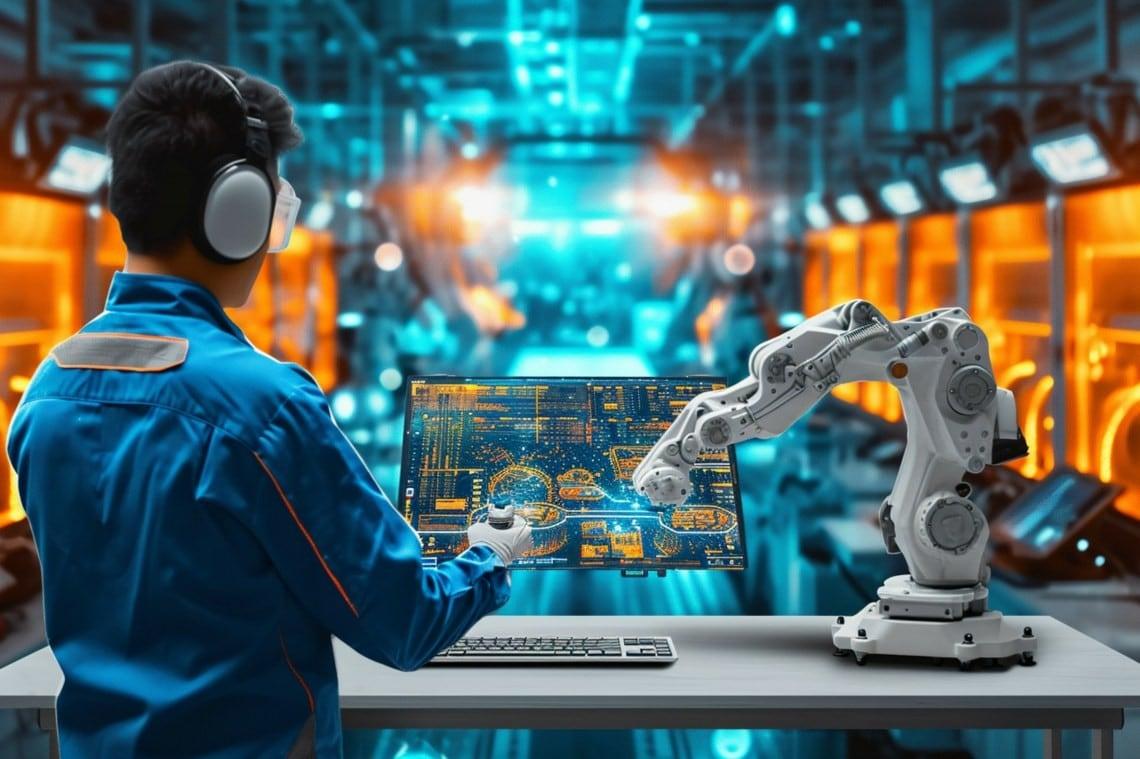
The long-term outlook for the AI semiconductor race remains highly optimistic as artificial intelligence adoption expands across global industries.
Industry forecasts continue projecting strong investment in:
- Advanced semiconductor manufacturing
- AI cloud infrastructure
- Data center construction
- Machine learning systems
- Robotics technologies
Technology firms worldwide are expected to continue aggressively competing for leadership in AI computing power and semiconductor innovation.
Industry experts believe semiconductors will remain at the center of global technology competition for years ahead.
