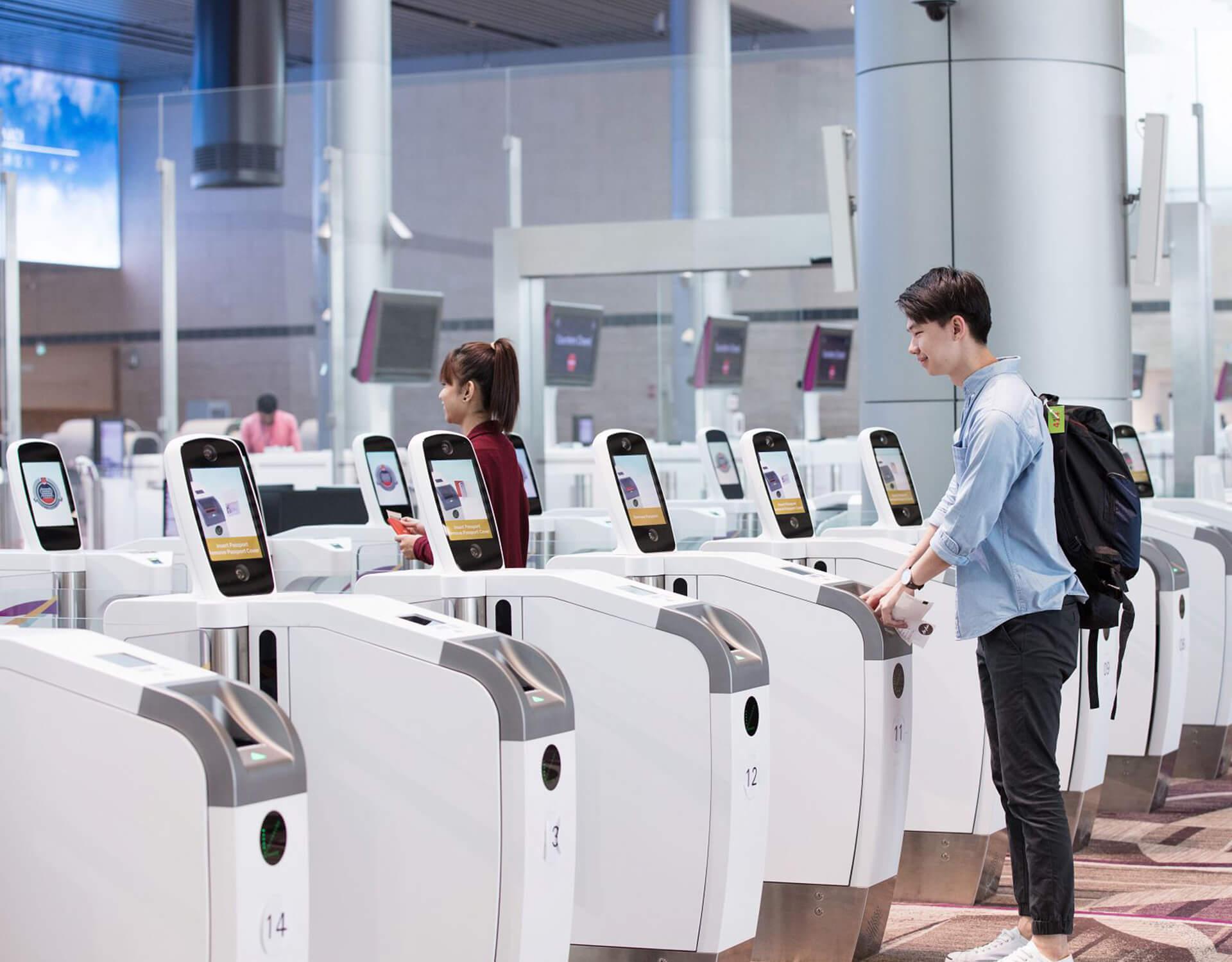
Airline digital transformation accelerates as Amadeus acquires Idemia for €1.2 billion.
Biometric technology is set to redefine airport security and passenger processing.
The deal highlights growing investment in travel automation across Europe in 2026.
Madrid, April 29, 2026 (Parliament Politics Magazine) Airline digital transformation is entering a new phase in 2026 after Amadeus IT Group announced its €1.2 billion acquisition of Idemia. The deal underscores the growing importance of biometric authentication, automation, and digital identity systems in reshaping how airlines and airports operate.
The move reflects a broader shift across the aviation industry, where efficiency, security, and seamless passenger experiences are becoming central priorities.
Strategic Acquisition Signals Industry Shift
Amadeus IT Group is expanding its capabilities through the integration of biometric systems from Idemia. The acquisition is expected to enhance identity verification, streamline passenger processing, and improve operational efficiency.
The airline digital transformation trend is being driven by the need for faster, more secure, and contactless travel experiences.
“Biometric technology is becoming essential to the future of travel,”
said an aviation technology analyst.
Biometrics at the Core of Travel Innovation
Biometric solutions such as facial recognition and fingerprint scanning are increasingly being adopted across airports worldwide. These technologies reduce wait times and improve security by enabling automated identity verification.
The rise of airline digital transformation is closely linked to the deployment of these systems, which are transforming traditional travel processes.
Key applications include:
- Contactless airport check-ins
- Automated border control systems
- Seamless boarding processes
- Digital identity verification platforms
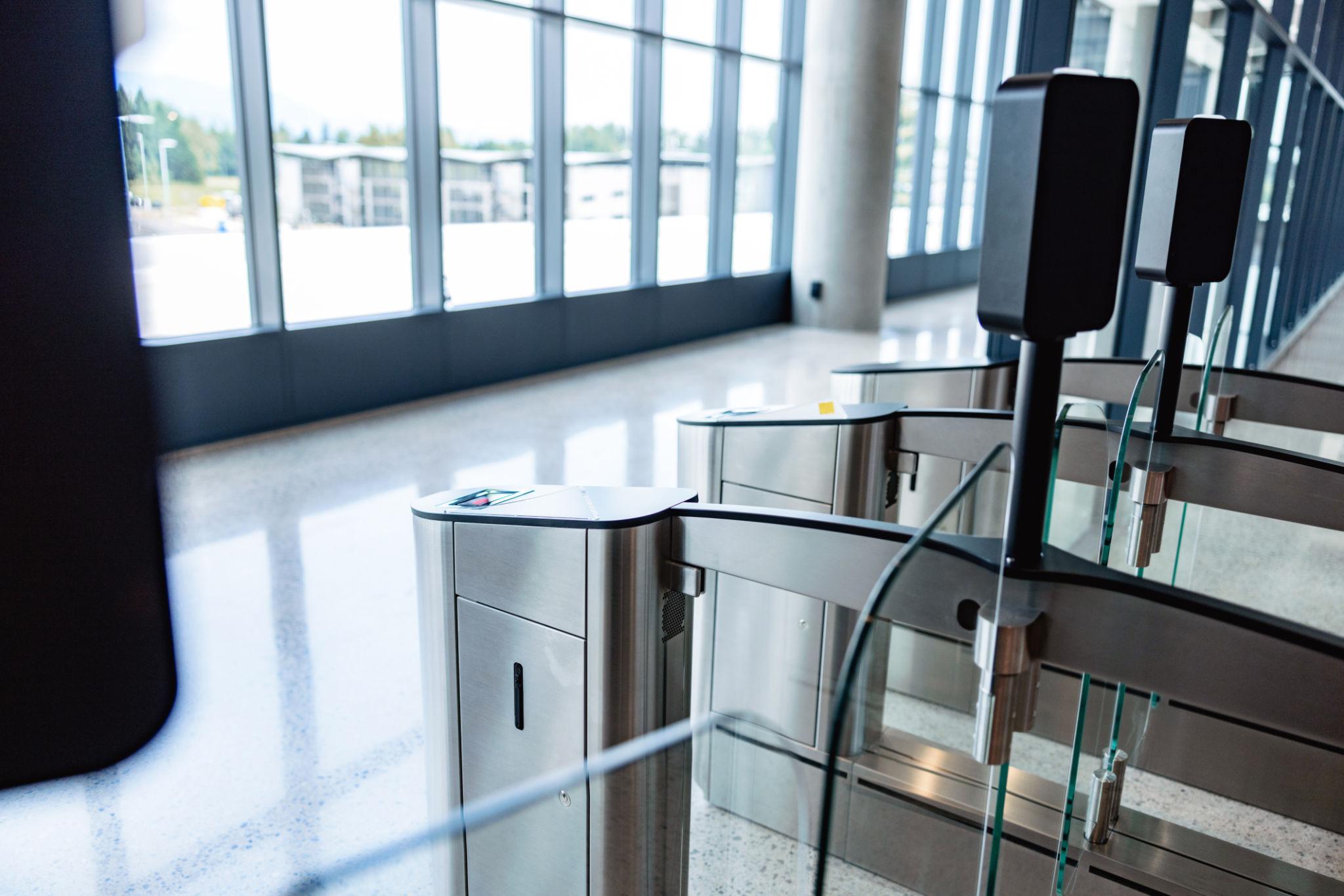
Airline Technology Trends (2026)
- Acquisition value: €1.2 billion
- Biometric adoption in airports: Rapidly increasing globally
- Travel tech investment: Strong growth trend
- Passenger processing efficiency: Improving through automation
- Digital identity systems: Expanding across aviation sector
This data highlights how airline digital transformation is being driven by technological innovation and investment.
Market Reaction Reflects Confidence in Digital Growth
Investors have responded positively to the acquisition, viewing it as a strategic move that strengthens Amadeus’ position in the travel technology market. The integration of biometrics is expected to create new revenue opportunities and improve operational efficiency.
The airline digital transformation trend is attracting significant investment as companies seek to modernize infrastructure and enhance customer experiences.
“The market sees this as a long-term growth opportunity in travel technology,”
said a financial analyst.
Competitive Landscape in Travel Technology
The travel technology sector is becoming increasingly competitive, with companies investing heavily in digital solutions to gain an edge. Biometrics and automation are emerging as key differentiators.
The expansion of airline digital transformation reflects how companies are adapting to evolving industry demands and consumer expectations.
Historical Context: Evolution of Airline Digital Transformation
Over the past decade, the airline industry has undergone significant technological change. Early digital initiatives focused on online booking and mobile check-ins, but the scope has expanded to include advanced automation and AI-driven systems.
The progression of airline digital transformation has been shaped by the need for efficiency, security, and improved passenger experiences, leading to widespread adoption of new technologies.
Challenges and Regulatory Considerations
While digital transformation offers numerous benefits, it also presents challenges related to privacy, data protection, and regulatory compliance. The use of biometric data requires careful handling to ensure security and public trust.
Key challenges include:
- Protecting sensitive personal data
- Ensuring compliance with international regulations
- Managing cybersecurity risks
- Building trust among passengers
The success of airline digital transformation will depend on addressing these concerns effectively.
Future Outlook: Expansion of Digital Identity Solutions
Looking ahead, the adoption of digital identity and biometric technologies is expected to continue growing. Airlines and airports are likely to invest further in automation to improve efficiency and reduce operational costs.
The trajectory of airline digital transformation suggests a future where travel is faster, safer, and more seamless.
“Digital identity will become a standard part of the travel experience,”
said a technology strategist.
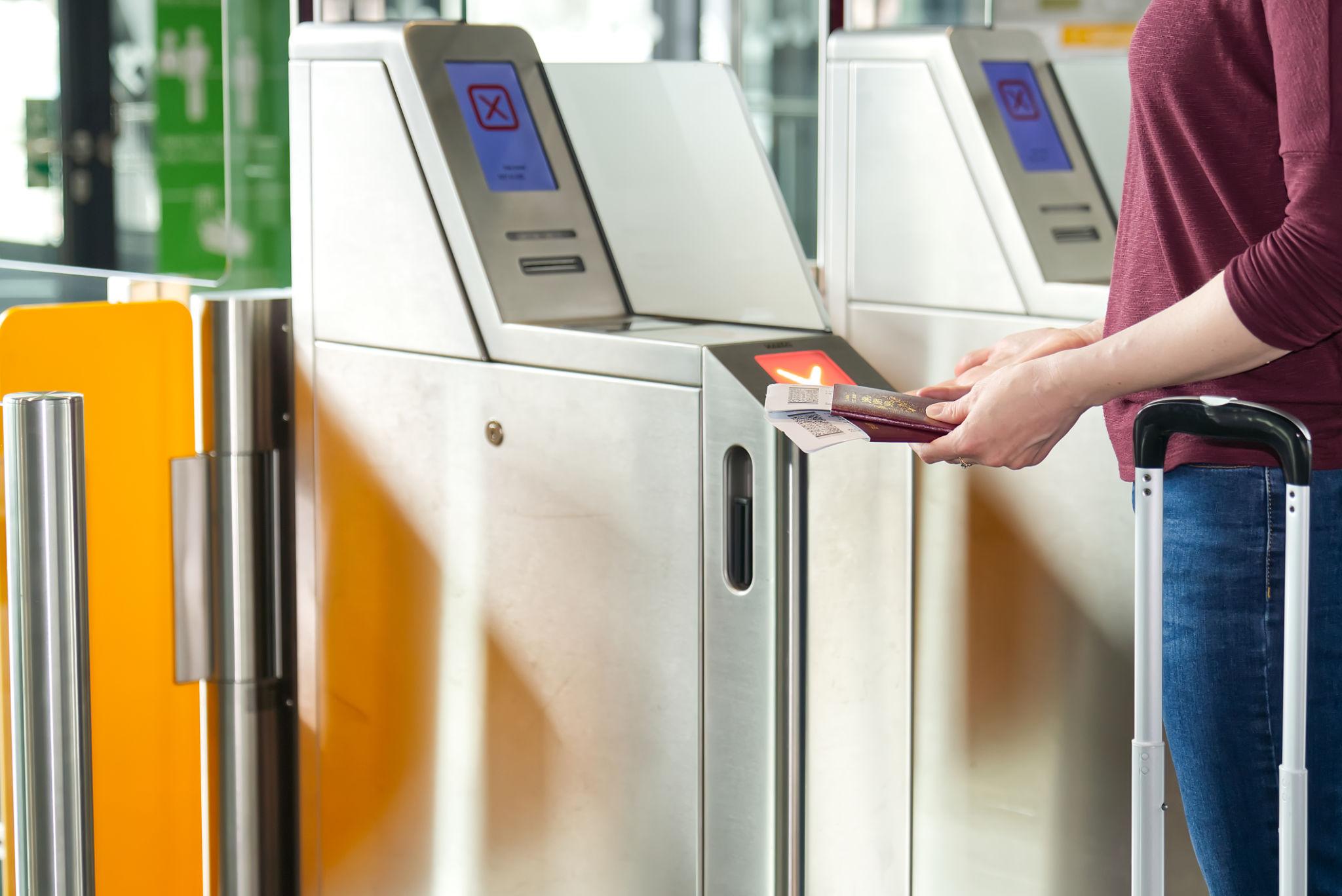
Key Takeaways: Airline Digital Transformation Gains Momentum
The €1.2 billion acquisition highlights the growing importance of biometrics in travel technology.
Amadeus is strengthening its position by integrating advanced identity verification systems.
The continued growth of airline digital transformation reflects broader industry trends toward automation and innovation.