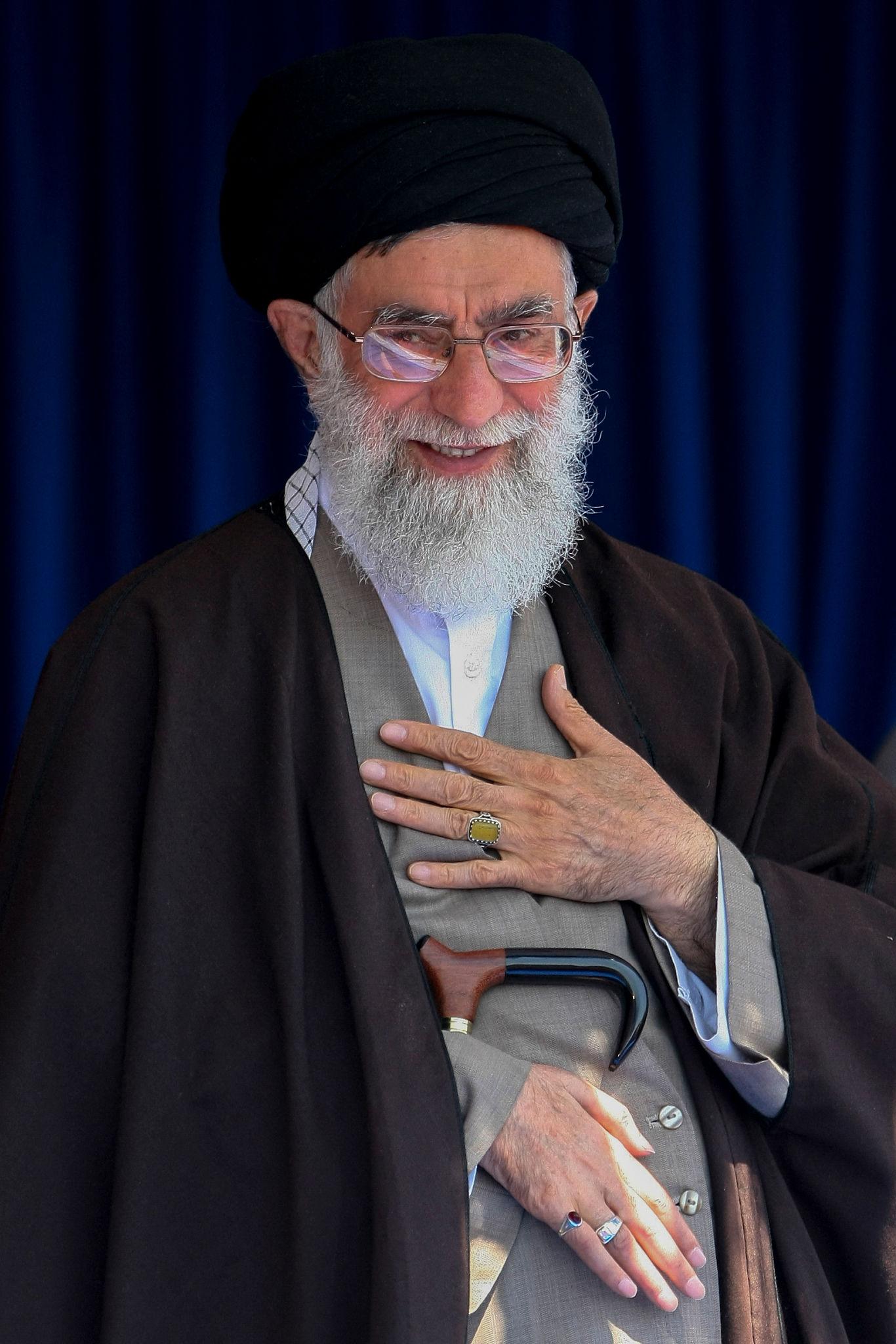
Tehran, Iran – March 1, 2026 — Parliament News confirms that Ali Khamenei dies at 86, marking one of the most consequential political moments in Iran’s modern history. The announcement in Tehran on this date in 2026 immediately set in motion constitutional procedures, heightened security awareness, and an outpouring of public reaction both domestically and internationally.
For more than three decades, Khamenei stood at the center of Iran’s political and religious authority. His passing closes a chapter that defined national identity, foreign policy posture, and internal governance. As Ali Khamenei dies at 86, Iran enters a sensitive period of leadership transition that will shape its domestic trajectory and regional influence for years to come.
Immediate State Response and Institutional Continuity
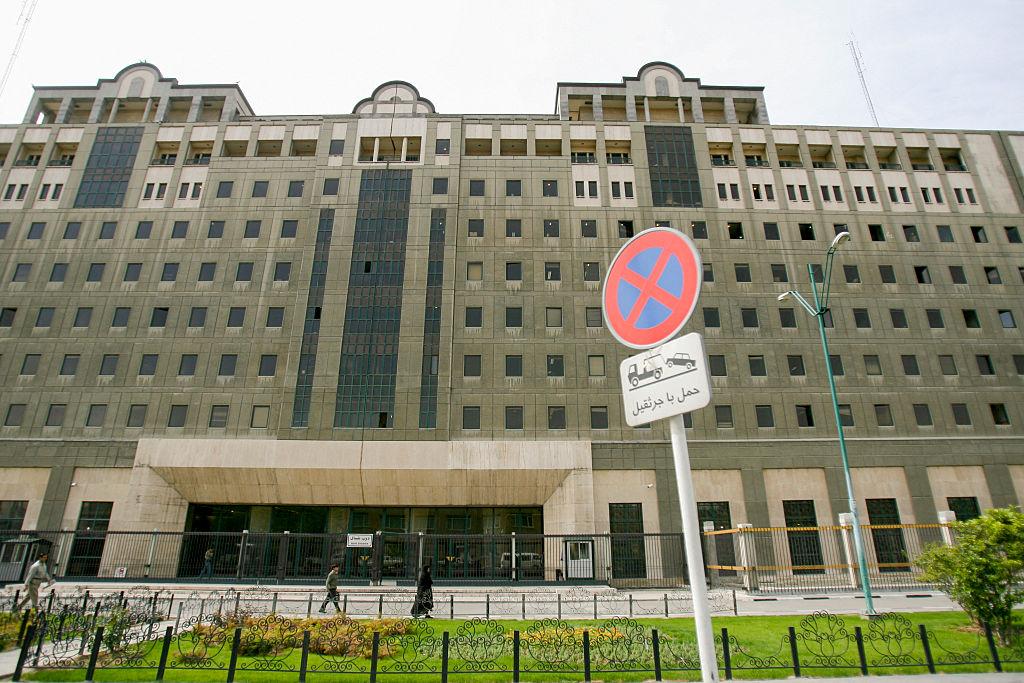
Following confirmation that Ali Khamenei dies at 86, senior officials convened emergency consultations in Tehran. State institutions moved swiftly to project continuity, emphasizing that constitutional mechanisms governing succession remain fully operational.
Government ministries, the judiciary, and parliamentary offices continued routine functions without interruption. Security forces increased visibility around key government buildings and religious sites, a measure described as precautionary rather than reactive.
A senior government spokesperson stated,
“Our constitutional framework was designed for moments of transition, and the nation’s institutions remain strong and unified.”
The immediate objective of authorities was to prevent instability and reassure citizens that governance structures remain intact. While uncertainty is inevitable in such circumstances, public messaging consistently highlighted order and discipline.
National Mourning and Public Reflection
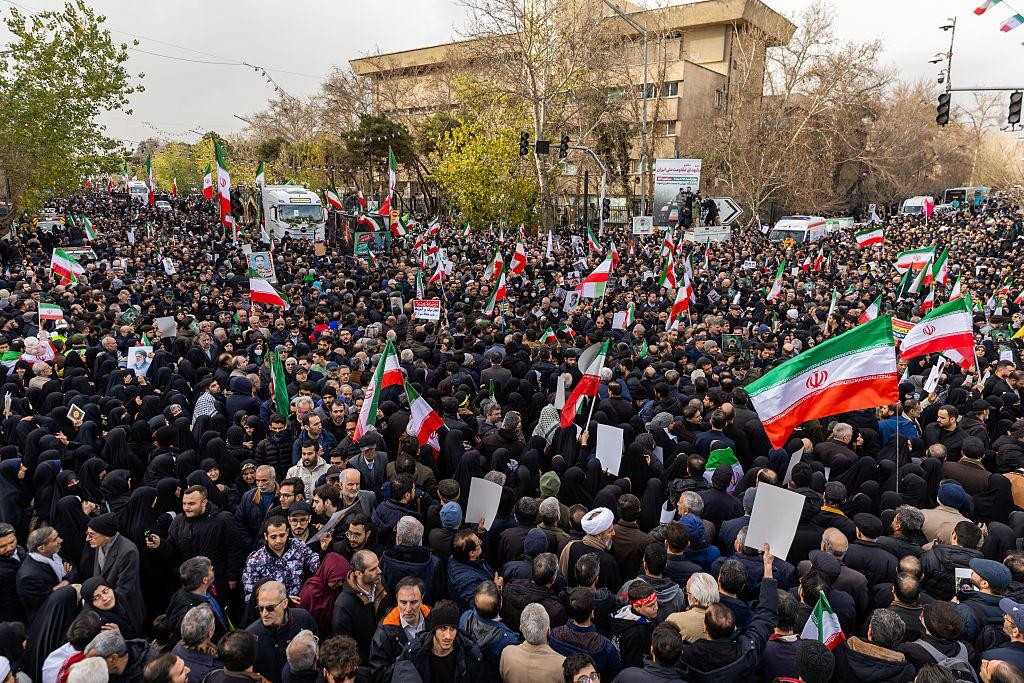
As news spread that Ali Khamenei dies at 86, thousands gathered in mosques, public squares, and community centers across Tehran and other major cities. Public expressions ranged from solemn mourning to reflective debate about the country’s future.
Older generations recalled the transformative years following the 1979 revolution and the decades that followed under his leadership. Many citizens expressed gratitude for what they viewed as continuity and resilience during challenging periods of sanctions and regional tension.
Younger Iranians, while acknowledging the historic nature of the moment, focused on what comes next. University forums and online discussions explored economic reform, diplomatic recalibration, and generational change.
Despite the emotional atmosphere, large scale unrest was not reported. Community leaders urged calm, emphasizing unity during this national turning point.
A Leadership Era Defined by Authority and Ideology
When Ali Khamenei dies at 86, he leaves behind a legacy intertwined with the Islamic Republic’s political identity. Assuming the role of Supreme Leader in 1989, he presided over decades of significant regional developments and domestic policy shifts.
His leadership style combined firm ideological conviction with centralized oversight. Relations with the United States and Israel were frequently defined by uncompromising rhetoric, while alliances with regional partners were strengthened strategically.
Under his tenure, Iran navigated sanctions, diplomatic negotiations, and regional conflicts. Supporters argue that his steadfast approach preserved national sovereignty. Critics contend that confrontational policies contributed to international isolation.
Regardless of viewpoint, his influence on Iran’s political architecture remains undeniable.
Constitutional Succession Process in Motion
The moment Ali Khamenei dies at 86 activates a formal constitutional process overseen by the Assembly of Experts. This body holds the authority to deliberate and appoint a new Supreme Leader.
Political analysts anticipate intensive consultations among senior clerics and influential figures. Consensus building will be central to ensuring stability. Observers note that a timely decision would reinforce institutional credibility and reduce uncertainty.
Public confidence during this phase depends heavily on transparency and clarity. Authorities have emphasized that the framework for succession is clearly established within constitutional guidelines.
Economic Markets React to Transition
Financial markets responded cautiously after Ali Khamenei dies at 86. The national currency experienced modest fluctuations, while investors evaluated potential policy continuity.
Energy markets also monitored developments closely. As a major oil producer, Iran’s leadership stability directly influences global supply calculations. However, early indicators suggest that export operations and contractual obligations remain unchanged.
Economic analysts suggest that transitional volatility is common during political shifts. Stability in communication and fiscal management will likely determine long term investor confidence.
Domestic business leaders have called for measured patience, emphasizing that economic resilience depends on institutional continuity rather than individual leadership.
Regional Diplomacy and Strategic Implications
The confirmation that Ali Khamenei dies at 86 prompted diplomatic responses from neighboring governments and global powers. Statements of condolence were accompanied by calls for stability and peaceful succession.
Iran’s regional posture has long played a central role in Middle Eastern geopolitics. Maritime routes, cross border security arrangements, and energy cooperation remain interconnected with Tehran’s decisions.
Several regional analysts emphasized that immediate policy shifts are unlikely. Instead, strategic recalibration, if any, would likely unfold gradually under new leadership.
Global markets responded with caution rather than alarm, reflecting confidence that core institutions remain functional.
International Leaders Respond
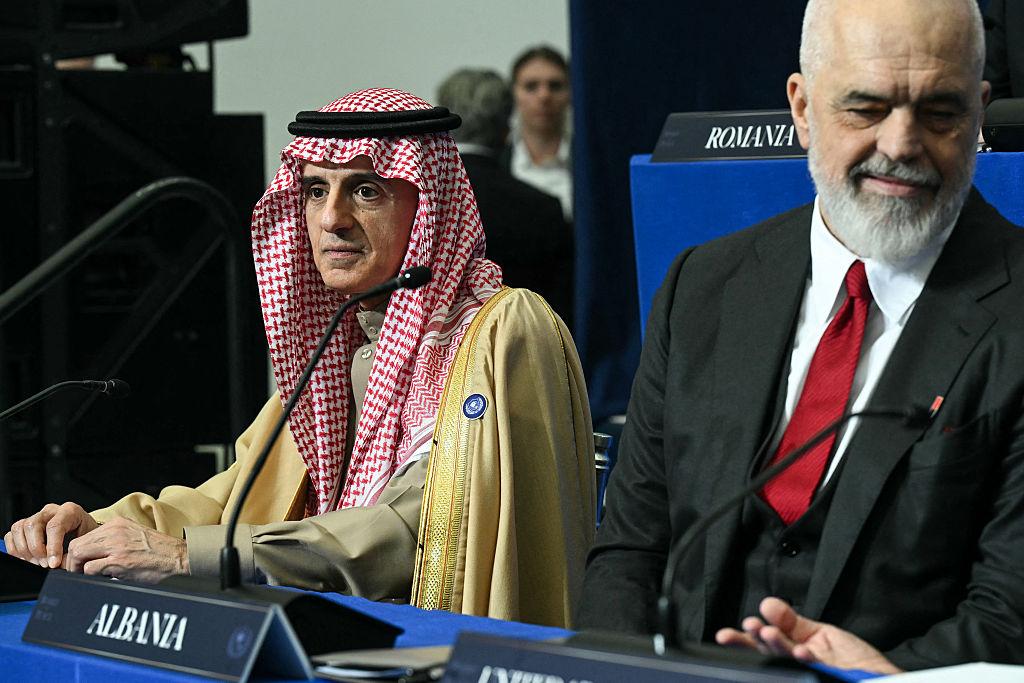
World capitals issued official messages acknowledging that Ali Khamenei dies at 86 and expressing hope for stability during the transition. Diplomatic channels in Europe, Asia, and North America reiterated respect for Iran’s sovereignty.
International organizations highlighted the importance of constitutional continuity. Financial institutions advised monitoring official developments rather than reacting to speculation.
The global response underscores Iran’s geopolitical significance. Leadership transitions in such strategically positioned nations inevitably draw worldwide attention.
Historical Context of Supreme Leadership in Iran
Leadership transitions at the highest level have historically marked pivotal moments in Iran’s evolution. The system of governance blends political administration with religious authority, creating a distinctive structure in the region.
The fact that Ali Khamenei dies at 86 represents the end of one of the longest serving eras in that structure. Since assuming office in 1989, he oversaw transformative developments including economic sanctions, diplomatic negotiations, and regional security alignments.
Historians often describe his tenure as a period of consolidation. Institutions matured under his authority, even amid international pressure. This transition therefore carries both symbolic and practical weight.
Understanding this historical framework provides essential context for assessing the current moment.
Domestic Reform Debate Gains Visibility
In the days following confirmation that Ali Khamenei dies at 86, discussions about modernization and reform resurfaced prominently. Younger citizens increasingly advocate for expanded technological investment, diversified economic policy, and broader global engagement.
Policy experts caution that structural changes require careful deliberation within constitutional boundaries. Rapid transformation could introduce unintended instability.
The coming months may clarify whether continuity or gradual recalibration defines the next chapter. Public discourse reflects a balance between preserving institutional identity and adapting to evolving global realities.
Energy Markets and Global Trade Outlook
Energy remains central to Iran’s economic influence. After Ali Khamenei dies at 86, oil traders briefly adjusted price expectations before stabilizing as export continuity was reaffirmed.
Shipping routes through the Persian Gulf remain operational, and international buyers continue contractual arrangements. Analysts suggest that sustained stability in energy exports will reinforce economic confidence.
Global trade partners are expected to maintain cautious engagement, prioritizing predictability and dialogue during the transition phase.
A Nation at a Defining Crossroads
As Ali Khamenei dies at 86, Iran stands at a defining crossroads in 2026. Institutional mechanisms provide a structured path forward, yet leadership consensus will determine the character of the next era.
Political stability, economic resilience, and diplomatic posture intersect during this sensitive period. The decisions taken in Tehran over the coming weeks will influence domestic governance and regional equilibrium alike.
For many citizens, this moment blends reflection with anticipation. For international observers, it represents a pivotal geopolitical transition.
History will ultimately judge how effectively Iran navigates this chapter. The foundations of governance remain intact, but the direction chosen now will shape national identity and strategic posture for years to come.