

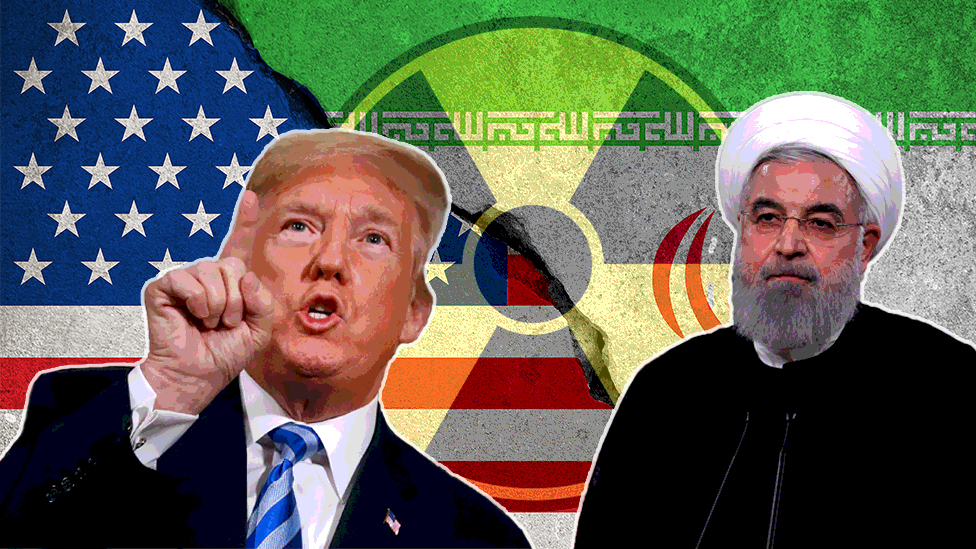
Tehran, January, 2026 — Parliament News states that Ali Larijani Trump threats have become a central point of international attention following remarks by senior Iranian political figure Ali Larijani addressing recent statements attributed to US president Donald Trump. Speaking in Tehran Larijani delivered a measured yet firm response that underscored Iran’s determination to safeguard its national interests while cautioning against escalation. The exchange comes at a sensitive moment in 2026 as regional tensions and global diplomatic uncertainty continue to rise.
Larijani’s remarks were widely interpreted as reflecting broader institutional thinking within Iran rather than a personal reaction. As Ali Larijani Trump threats dominate news cycles analysts suggest the episode illustrates how rhetoric remains a key tool in shaping geopolitical narratives without immediately altering policy on the ground.
Background to Renewed Political Tensions
Relations between Tehran and Washington have long been marked by cycles of confrontation and cautious engagement. Recent comments from Trump revived debate over Iran policy prompting swift responses from Iranian officials. Within this context Ali Larijani Trump threats resurfaced as a headline issue signaling the depth of lingering mistrust between the two countries.
Political observers note that such exchanges often intensify during periods of broader global instability. In early 2026 competing crises elsewhere have narrowed diplomatic bandwidth increasing sensitivity to rhetoric and symbolic gestures.
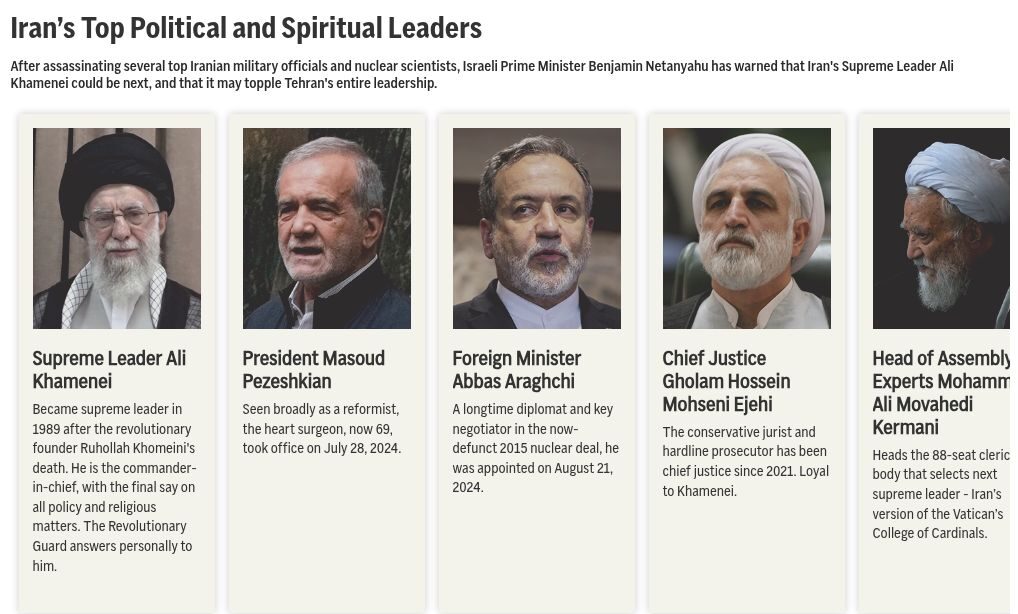
Ali Larijani’s Role in Iran’s Political Landscape
Larijani is regarded as one of Iran’s most experienced political figures having served in senior legislative and advisory roles. His public statements are typically calibrated and closely aligned with institutional positions. When Ali Larijani Trump threats were addressed his words carried added weight precisely because of his reputation for strategic messaging.
Analysts emphasize that Larijani often acts as a bridge between hard-line and pragmatic factions. This positioning allows him to articulate firm responses while avoiding language that could close diplomatic channels entirely.
Key Points in Larijani’s Statement
In his remarks Larijani stressed that Iran has faced external pressure for decades and has consistently maintained its policies despite threats. He warned that provocative rhetoric would not produce concessions and instead risked further destabilizing the region. As Ali Larijani Trump threats were discussed his tone remained controlled emphasizing resilience over confrontation.
One senior Iranian official present at the briefing was quoted as saying
“Threats have never altered Iran’s fundamental decisions and will not do so now.”
This single quote encapsulated the broader message conveyed during the address.
Domestic Reaction Across Iran
Within Iran Larijani’s comments were widely circulated across national media outlets. Supporters praised his firm stance viewing it as a necessary response to external pressure. The discussion surrounding Ali Larijani Trump threats reinforced narratives of national unity and resistance that resonate strongly with domestic audiences.
Some commentators however argued that rhetorical exchanges offer limited solutions to economic challenges and diplomatic isolation. Nevertheless the overall reaction suggested broad approval of Larijani’s approach balancing firmness with restraint.
Regional Implications in the Middle East
Across the Middle East governments monitored the exchange closely. Regional analysts note that statements addressing Ali Larijani Trump threats can influence security calculations particularly among neighboring states already navigating complex alliances.
Gulf states Israel and other regional actors view such rhetoric as indicators of broader strategic intent. While no immediate policy shifts followed Larijani’s remarks the signaling effect was nonetheless significant.
International Diplomatic Response
Internationally reactions were measured. European officials emphasized the importance of avoiding escalation and maintaining dialogue. Asian governments expressed concern over rising rhetoric while urging all sides to prioritize stability. In diplomatic circles Ali Larijani Trump threats were interpreted as part of an ongoing narrative exchange rather than a precursor to immediate action.
Multilateral institutions continue to stress de escalation mechanisms highlighting the risks posed by miscommunication in an already volatile environment.
Washington’s Interpretation
From Washington analysts framed the episode as reflective of long standing rhetorical patterns. US policy experts argue that Ali Larijani Trump threats represent political signaling aimed at domestic and regional audiences rather than a shift in strategic posture.
Debates within the United States remain divided between advocates of pressure and those favoring renewed engagement. Larijani’s response adds nuance to these discussions without fundamentally altering their trajectory.
Media Coverage and Public Perception
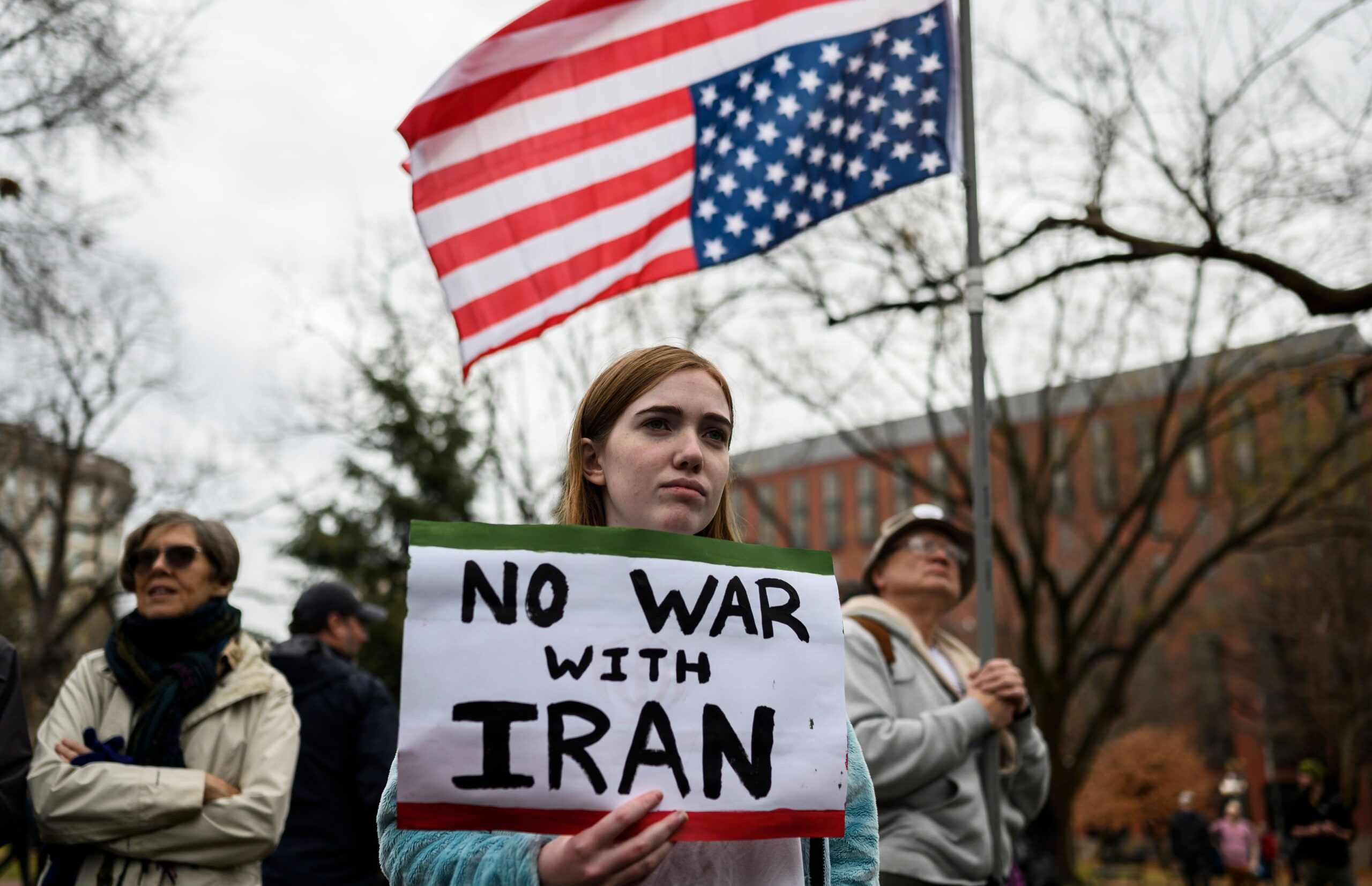
Global media coverage varied in tone. Some outlets emphasized confrontation while others highlighted restraint. The framing of Ali Larijani Trump threats influenced public perception shaping expectations about potential escalation.
Social media amplified reactions often stripping context and nuance. This dynamic illustrates the challenge of managing sensitive messaging in an era of rapid information dissemination.
Historical Patterns of Rhetorical Exchange
History shows that verbal exchanges between Iranian and US figures often serve symbolic purposes. The focus on Ali Larijani Trump threats fits within a broader pattern where rhetoric substitutes for direct confrontation during periods of heightened tension.
Such patterns allow both sides to signal resolve without crossing red lines. Analysts caution however that repeated cycles of rhetoric can gradually erode trust and increase the risk of miscalculation.
Strategic Signaling Without Escalation
Larijani’s response exemplified Iran’s preference for strategic signaling. By addressing Ali Larijani Trump threats directly yet calmly he reinforced deterrence while leaving room for diplomatic maneuvering.
This approach reflects lessons drawn from previous crises where escalation proved costly. Maintaining controlled messaging remains a priority for Tehran amid regional uncertainty.
What This Means for 2026 Diplomacy
As 2026 unfolds diplomatic observers expect continued rhetorical exchanges alongside cautious engagement. The episode involving Ali Larijani Trump threats underscores how language shapes diplomatic space even in the absence of formal negotiations.
Whether this exchange leads to renewed dialogue or continued stalemate will depend on broader political developments beyond individual statements.
Long Term Implications for US Iran Relations
In the long term repeated episodes such as Ali Larijani Trump threats contribute to entrenched narratives on both sides. These narratives influence policy options public opinion and diplomatic flexibility.
Breaking this cycle would require sustained efforts to rebuild trust something that remains elusive amid ongoing regional and global challenges.
A Moment of Symbolic Importance
Ultimately the significance of Ali Larijani Trump threats lies less in immediate consequences and more in symbolic impact. The episode illustrates how seasoned political figures use rhetoric to navigate complex geopolitical environments while avoiding direct confrontation.
As global audiences watch closely such moments continue to shape perceptions of stability risk and leadership in a volatile international system.
A Calculated Response in a Fragile Climate
In conclusion Ali Larijani Trump threats represent a calculated response delivered at a delicate moment in global politics. Larijani’s remarks reflected Iran’s emphasis on resilience restraint and strategic communication. While the exchange did not alter policy trajectories it reinforced existing narratives shaping US Iran relations in 2026 and beyond.