

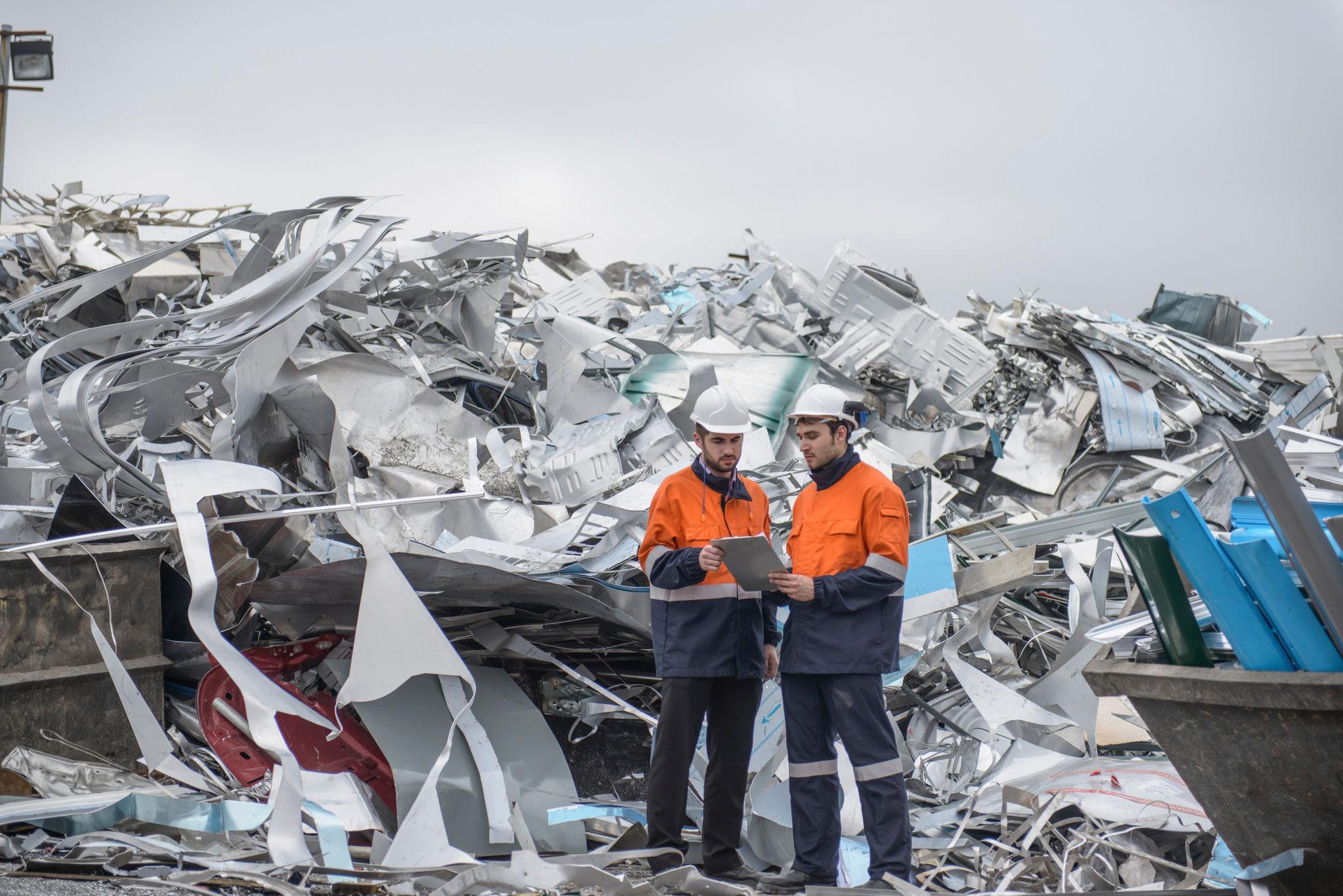
New Delhi, APRIL 21, 2026 ( Parliament Politics Magazine ) IndiaAluminium recycling India policy is under growing scrutiny in 2026, as recyclers across the country push for the removal of import duties on aluminium scrap. Industry stakeholders warn that the current tax framework is increasing costs, tightening supply, and slowing the growth of a sector critical to both manufacturing and environmental sustainability.
The issue has gained urgency following a formal industry letter urging policymakers to reconsider the tax structure and align it with India’s long-term economic and climate goals.
Industry Raises Concerns Over Cost Pressures
The latest aluminium recycling India policy debate centers on rising operational costs linked to import duties. Recyclers argue that aluminium scrap is a raw material, not a finished product, and should be treated differently under tax regulations.
In their communication to the government, industry representatives emphasized:
“The aluminium recycling India policy must support, not hinder, the availability of essential raw materials needed for sustainable industrial growth.”
According to industry estimates, import duties are significantly increasing procurement costs, making it difficult for recyclers to maintain margins.
Aluminium Scrap Remains a Critical Resource
The aluminium recycling India policy discussion highlights the importance of scrap metal as a core input for secondary aluminium production. Recycling aluminium consumes far less energy than producing primary aluminium, making it both cost-efficient and environmentally beneficial.
Key advantages include:
- Reduced energy consumption
- Lower carbon emissions
- Enhanced resource efficiency
- Support for circular economy initiatives
Industry leaders argue that the current tax structure contradicts these benefits and discourages recycling efforts.
Supply Constraints Add to Industry Challenges
The aluminium recycling India policy is also linked to supply challenges. Domestic scrap availability remains limited, making imports essential for sustaining production.
Recyclers warn that continued taxation could lead to:
- Reduced access to raw materials
- Higher dependency on costly alternatives
- Production slowdowns
- Disruptions across supply chains
These concerns are particularly relevant for industries such as construction, automotive, and packaging, which rely heavily on recycled aluminium.
Impact on Manufacturing Competitiveness
The aluminium recycling India policy has broader implications for India’s manufacturing sector. Higher input costs can affect competitiveness, especially in global markets where price sensitivity is high.
Manufacturers may face:
- Reduced profit margins
- Increased product prices
- Lower export competitiveness
- Strategic sourcing challenges
Analysts suggest that revising the policy could strengthen India’s position in global manufacturing.
Government Reviewing Policy Options
The aluminium recycling India policy is now under review, with policymakers evaluating industry concerns. The government faces a balancing act between maintaining revenue streams and supporting industrial growth.
Possible policy responses include:
- Reducing or eliminating import duties on scrap
- Introducing incentives for recycling operations
- Strengthening domestic scrap collection systems
- Aligning tax policy with sustainability targets
The outcome of these discussions could significantly impact the sector’s future.
Environmental Considerations Gain Importance
The aluminium recycling India policy debate also carries environmental implications. Recycling aluminium reduces greenhouse gas emissions and supports sustainable production practices.
Experts note that discouraging scrap imports may:
- Increase reliance on energy-intensive primary production
- Slow progress toward emission reduction goals
- Undermine circular economy initiatives
Aligning policy with environmental objectives is seen as a critical priority.
Market Response and Industry Outlook
The aluminium recycling India policy has sparked close monitoring from industry participants and investors. The sector’s future growth depends heavily on policy clarity and support.
Short-term uncertainty remains, but stakeholders are hopeful for positive changes.
Market trends to watch include:
- Shifts in raw material sourcing strategies
- Changes in pricing structures
- Increased investment in recycling infrastructure
- Evolving trade dynamics
Risks That Could Influence Outcomes
Several risks could affect the direction of the aluminium recycling India policy:
- Delays in policy decisions
- Volatility in global scrap prices
- Trade policy constraints
- Infrastructure limitations
Managing these risks will be essential for ensuring a stable and competitive industry environment.
Outlook for 2026 and Beyond
The aluminium recycling India policy is expected to play a key role in shaping the future of the recycling sector. Industry leaders are optimistic that reforms could unlock growth and improve sustainability outcomes.
Key developments to monitor include:
- Government decisions on import duties
- Expansion of recycling capacity
- Integration of sustainability goals
- Impact on manufacturing competitiveness
Aluminium Recycling India Policy Final Analysis
The aluminium recycling India policy is at a critical juncture as recyclers push for the removal of import taxes on aluminium scrap. Rising costs and supply challenges are driving calls for reform, with potential implications for manufacturing, sustainability, and economic growth.
The government’s response will determine whether the sector can expand efficiently while supporting India’s broader industrial and environmental objectives.