


Hanoi, Vietnam, April 06, 2026 (Parliament Politics Magazine) Asia digital economy challenges are intensifying as Vietnam’s gig workers struggle under the weight of soaring fuel prices, exposing vulnerabilities in one of the region’s fastest-growing economic sectors.
Ride-hailing drivers and delivery workers across major cities are reporting declining earnings despite working longer hours, highlighting growing instability within the platform-driven labor market.
Fuel Price Surge Drives Asia Digital Economy Challenges
The recent surge in fuel prices has become a key factor behind the Asia digital economy challenges unfolding in Vietnam. As global energy markets remain volatile, local fuel costs have increased sharply, directly impacting gig workers who rely on transportation for income.
Many drivers now report that fuel expenses consume more than half of their daily earnings, a dramatic increase compared to previous years.
A delivery driver in Hanoi stated:
“I used to save something at the end of the day. Now, after fuel, there’s almost nothing left.”
This imbalance between costs and income is a central issue fueling Asia digital economy challenges.
Platform Models Under Pressure
The Asia digital economy challenges are also revealing structural weaknesses within platform-based business models. Most ride-hailing and delivery platforms operate with fixed pricing systems that do not adjust quickly to rising costs.
As a result, gig workers absorb the financial burden without corresponding increases in earnings.
Industry experts warn that unless platforms adopt more flexible pricing mechanisms, the sustainability of gig work could be at risk.
Gig Workers Reduce Hours or Exit
As the situation worsens, many workers are reducing their hours or leaving the gig economy entirely. This trend is a clear indicator of escalating Asia digital economy challenges.
Some drivers are seeking more stable employment, while others are diversifying income sources to cope with financial pressures.
A former driver explained:
“It’s no longer worth it. I was working more but earning less every week.”
The reduction in active workers could have significant implications for service availability and efficiency.
Consumers Begin to Feel the Impact
Asia digital economy challenges are now affecting consumers as well. With fewer drivers available, wait times for ride-hailing and delivery services have increased.
In some areas, service costs have risen, reflecting the reduced supply of workers and increased operational expenses.
Businesses that rely on delivery platforms are also experiencing challenges, as higher costs may reduce customer demand.

Government Faces Growing Pressure
The worsening Asia digital economy challenges are placing pressure on governments to consider intervention measures. Policymakers are exploring options such as fuel subsidies, tax relief, or incentives for platforms to support workers.
However, balancing economic support with fiscal responsibility remains a complex task.
A policy expert commented:
“If the current trend continues, it could disrupt not only gig workers but the broader digital economy.”
Regional Growth at Risk
Vietnam has been a key driver of digital growth in Southeast Asia, but the current crisis highlights broader Asia digital economy challenges that could slow regional progress.
If gig workers continue to exit the sector, the scalability of platform-based services may be compromised.
This could impact investor confidence and reduce the pace of innovation across the region.
Calls for Fair Compensation Intensify
Workers are increasingly calling for reforms to address Asia digital economy challenges. Many are advocating for dynamic pricing systems that reflect fuel costs and other operational expenses.
Others are urging platforms to provide temporary financial support during periods of economic stress.
A driver emphasized:
“We are essential to the system. Without fair pay, it cannot continue.”
These demands reflect growing frustration among gig workers.
Adaptation and Alternative Solutions
In response to financial strain, some workers are exploring alternative strategies. These include switching to more fuel-efficient vehicles, reducing working hours, or taking on additional jobs.
Electric motorbikes are gaining attention as a potential solution, although affordability remains a challenge for many workers.
These efforts highlight both resilience and the severity of Asia digital economy challenges.
Long-Term Outlook Remains Uncertain
The future of the gig economy in Vietnam will depend on how effectively stakeholders respond to current conditions.
Experts suggest that collaboration between platforms, governments, and workers will be essential to address Asia digital economy challenges.
Without meaningful reforms, the sector may face long-term instability.
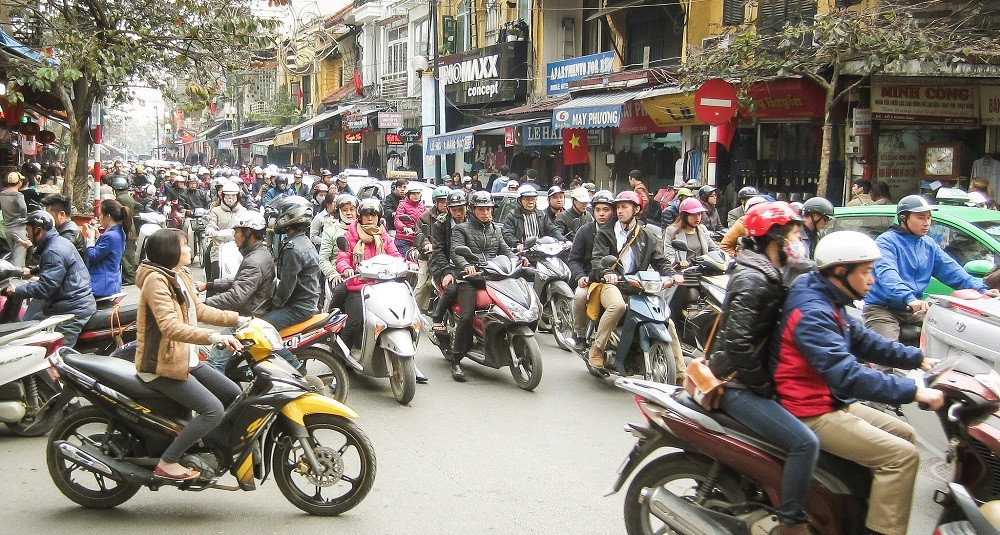
Asia Digital Economy Challenges Reach Critical Point
Asia digital economy challenges have become a defining issue in 2026, particularly in Vietnam’s gig economy.
Key highlights include:
- Rising fuel prices reducing gig worker earnings
- Workers reducing hours or leaving the industry
- Consumers facing higher costs and delays
- Governments under pressure to act
- Long-term growth of the digital economy at risk
As the situation evolves, the ability of stakeholders to adapt will determine the future of gig work across Asia.
