

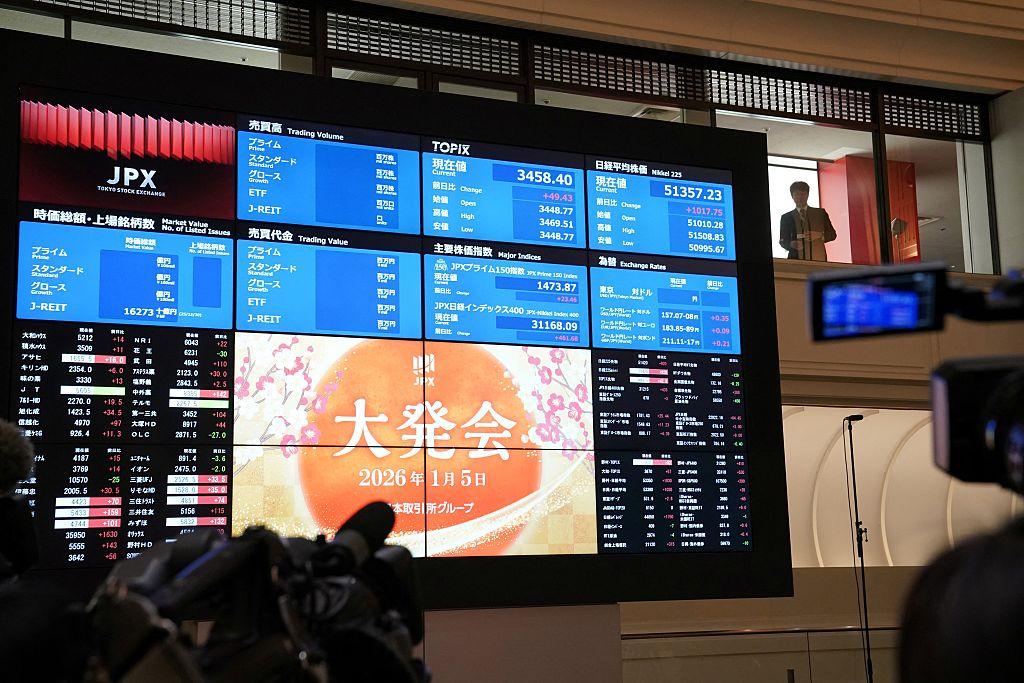
Asian stock markets 2026 advance as Tokyo leads regional gains.
Technology and semiconductor shares drive momentum across major exchanges.
Investors monitor economic data and global trends shaping market outlook.
Tokyo, Japan – February 25, 2026 — Parliament News — Asian stock markets 2026 opened the second quarter with renewed strength as investors responded to improving corporate earnings, stabilizing inflation indicators, and expanding technology sector demand across the region.
The upward momentum observed in Tokyo has influenced broader regional sentiment, with major indices across East Asia reflecting synchronized gains. Analysts attribute the resilience of Asian stock markets 2026 to structural investment trends in artificial intelligence, semiconductor manufacturing, and digital infrastructure.
Tokyo Trading Floors Reflect Rising Confidence
Market activity at the Tokyo Stock Exchange intensified during morning trading hours, with technology and manufacturing shares leading advances. The Nikkei index posted measurable gains, supported by strong export data and steady currency conditions.
Institutional investors increased exposure to equities as global liquidity conditions remained supportive. Retail participation also rose, indicating broader confidence among domestic investors.
A Tokyo based strategist commented,
“The region is benefiting from sustained innovation cycles and stable macroeconomic management.”
This observation underscores the intersection between corporate performance and investor sentiment shaping Asian stock markets 2026.

Technology and Semiconductor Leadership
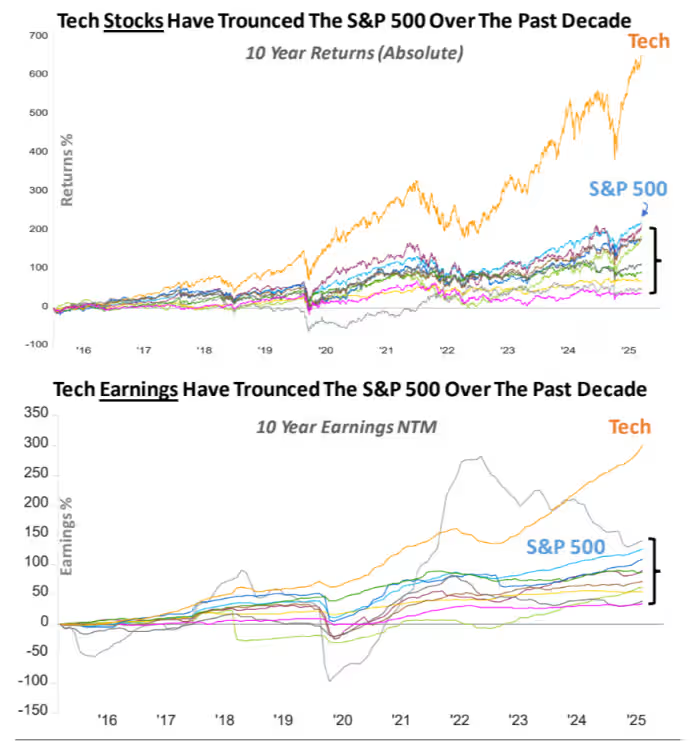
Technology companies continue to drive much of the upward movement. Semiconductor manufacturers in Japan and South Korea reported expanded production aligned with global AI demand.
Chip fabrication facilities are operating near capacity, reflecting heightened global need for advanced processors. Software developers and robotics firms also saw upward price movements as automation investment accelerates.
The strength of Asian stock markets 2026 is closely tied to these technology driven industries, which anchor export growth and domestic innovation ecosystems.
Economic Fundamentals Support Expansion
Macroeconomic indicators suggest moderate but stable growth across major Asian economies. Inflation pressures have cooled compared to earlier peaks, reducing concerns about abrupt monetary tightening.
Manufacturing output has shown gradual improvement, while export figures indicate rising global demand for electronics and industrial components. Consumer spending remains steady in urban markets, supporting corporate earnings.
Such balanced economic signals reinforce investor confidence in Asian stock markets 2026 and provide a foundation for continued equity growth.
Regional Indices and Cross Border Flows
Beyond Tokyo, markets in Seoul, Hong Kong, and Shanghai recorded coordinated gains. Foreign investment flows increased as global funds diversified portfolios to capture regional momentum.
Currency stability played a key role in attracting overseas capital. Predictable exchange rate conditions reduced volatility risks for international investors.
The collective performance across exchanges highlights the interconnected nature of Asian stock markets 2026 within the global financial system.
Financial Sector Resilience
Banks and financial institutions contributed to overall market stability. Lending activity remained steady, and balance sheets reflected improved asset quality compared to previous quarters.
Interest rate policies across the region have remained measured, fostering predictability in capital markets. Financial sector participation adds depth and sustainability to Asian stock markets 2026 during periods of rapid technology driven expansion.
Historical Context of Regional Market Growth
Throughout the late twentieth and early twenty first centuries, Asia emerged as a central force in global equity markets. The rapid industrialization of Japan, South Korea, and later China reshaped global supply chains and capital flows.
Asian stock markets 2026 build upon this historical trajectory, reflecting decades of technological advancement and manufacturing leadership. The integration of AI and digital transformation represents the next phase of this evolution.
Past cycles demonstrate that sustained growth depends on adaptability, policy stability, and innovation investment.
Investor Sentiment and Behavioral Dynamics
Surveys indicate increasing optimism among retail investors in Japan and neighboring economies. Trading volumes have expanded during positive earnings announcements, suggesting broad market participation.
Behavioral finance specialists emphasize that sentiment often amplifies price movements when reinforced by tangible data. While enthusiasm supports upward momentum, disciplined portfolio management remains essential.
Asian stock markets 2026 illustrate how coordinated confidence and economic fundamentals can reinforce each other during expansion cycles.
Risks and External Pressures
Despite favorable conditions, analysts caution against complacency. Geopolitical tensions, global trade negotiations, and energy price volatility remain potential disruptors.
Currency fluctuations could affect export competitiveness if sharp movements occur. Regulatory developments in technology sectors may also influence valuations.
Investors monitor these variables closely while assessing the sustainability of Asian stock markets 2026 over the longer term.
Infrastructure and Innovation Investment
Governments and private enterprises across the region are expanding investment in digital infrastructure, renewable energy, and advanced manufacturing facilities.
Innovation hubs in Tokyo and Seoul attract venture capital focused on robotics, biotechnology, and fintech development. These strategic initiatives enhance long term productivity and support equity valuations.
Capital investment trends play a crucial role in sustaining Asian stock markets 2026 beyond short term market cycles.
Broader Economic Implications for 2026
Economic forecasts project moderate but stable regional growth. Labor markets show gradual improvement, and export driven sectors remain competitive globally.
Consumer confidence indicators suggest cautious optimism, reflecting both income stability and awareness of external risks. Policymakers continue balancing fiscal discipline with growth initiatives.
Asian stock markets 2026 therefore represent not only a financial narrative but also a broader economic signal regarding the region’s structural resilience.
Outlook for the Remainder of the Year
As 2026 progresses, sustainability will depend on alignment between corporate earnings, inflation trends, and global economic stability. Investors continue evaluating data releases with heightened scrutiny.
If supportive conditions persist, Asian stock markets 2026 may extend their upward trajectory. However, seasoned analysts recognize that market cycles evolve and require prudent risk management.
Tokyo remains at the forefront of regional financial dialogue, symbolizing both innovation leadership and economic stability.
The coming quarters will determine whether current gains represent a sustained expansion or a phase within a broader cycle. For now, regional markets stand strengthened by coordinated growth, strategic investment, and renewed investor confidence.
Regional Capital Markets Enter a Defining Phase of 2026
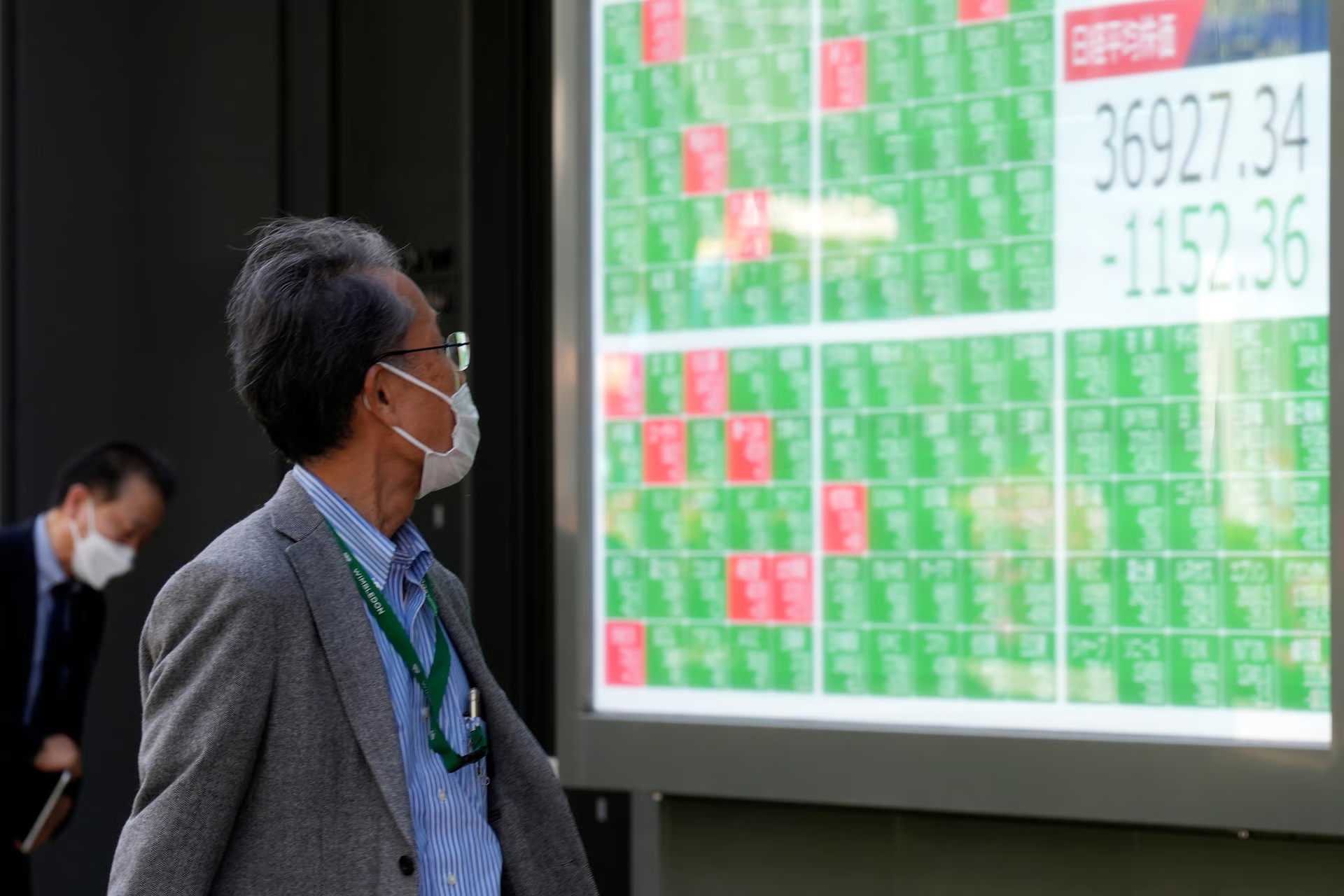
Asian stock markets 2026 are moving into a critical stage as sustained gains test the durability of regional economic strength.
Investors across Tokyo Japan continue evaluating corporate earnings, inflation trends, and global capital flows.
Technology leadership remains central, but broader sector participation is shaping a more balanced expansion. Institutional funds are increasing exposure while maintaining disciplined risk management strategies. Currency stability and policy clarity will remain decisive factors in maintaining upward momentum.
Market participants are closely monitoring external pressures that could influence short term volatility. As the year advances, strategic capital allocation and economic resilience will determine whether current gains evolve into a lasting growth cycle.