

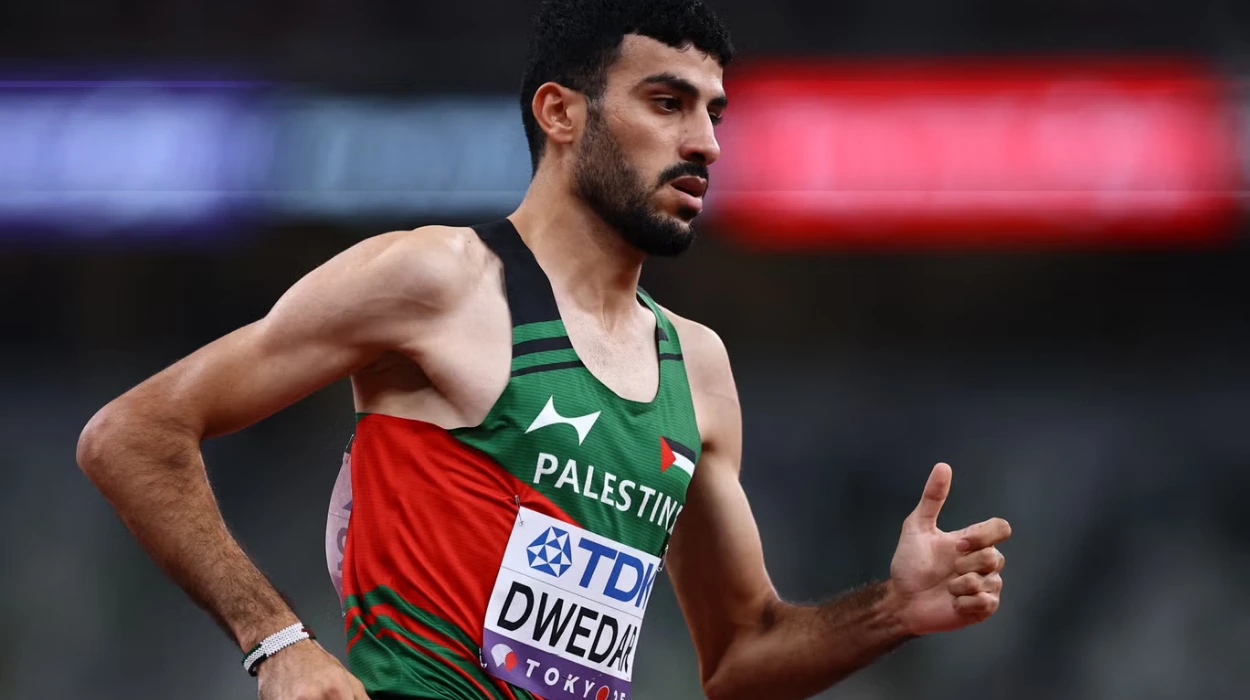
Sports have often transcended the boundaries of competition to reflect larger societal and political struggles. The question of athletes who support Palestine highlights a growing phenomenon where prominent sports figures use their platforms to express solidarity with human rights causes. Their support is not just symbolic but often comes with personal risk, including backlash, fines, and in some cases, threats.
The Role of Athletes in Political Advocacy
Historically, athletes have been powerful societal influencers who can rally public attention to causes far beyond the playing field. Their global visibility allows them to amplify underrepresented voices and challenge injustices. In the context of Palestine, a long-standing and deeply emotive conflict, numerous athletes have taken courageous stands to advocate for Palestinian rights, human dignity, and peace. These stands often underline the role of sport as a mediator of social values and a platform for political expression.
Notable Athletes Supporting Palestine
Irish Mixed Martial Arts fighter Paddy McCorry brought significant attention when he publicly supported Palestine following a victorious bout against an Israeli opponent. Displaying the Palestinian flag post-fight and chanting “Free Palestine,” McCorry used his moment on the global stage to highlight solidarity, a gesture that reverberated widely in sporting and political circles.
Lewis Hamilton – British Formula 1 Champion
Seven-time Formula One World Champion Lewis Hamilton stands out among athletes for his thoughtful and repeated outreach regarding the humanitarian crisis in Palestine. In statements during 2024, Hamilton expressed heartfelt support for Palestinians amid violence, calling for ceasefires and condemning suffering. His prominence as a sports icon lends weight to his calls for peace and justice.
Kyrie Irving – Australian-American NBA Player
Kyrie Irving has visibly shown support for Palestine by wearing traditional Palestinian garments such as the keffiyeh during public appearances, including an NBA press conference. Additionally, he wears symbolic jewelry such as a necklace shaped like Palestine’s map, signaling his clear and intentional support. Such visible acts resonate beyond sports into cultural solidarity.
Eric Cantona and Other Footballers
French football legend Eric Cantona has repeatedly voiced his opposition to violence impacting Palestinians, denouncing what he calls acts of barbarity and genocide, while expressing solidarity and support for Palestinian rights. Similarly, Karim Benzema, former Real Madrid captain, publicly prayed for the people of Gaza during the 2023 conflict and condemned indiscriminate bombardments harming civilians.
Algerian star Riyad Mahrez made headlines by holding a Palestinian flag during an English Premier League trophy ceremony in front of millions of viewers, symbolizing global solidarity. France’s Paul Pogba and Amad Diallo similarly showed Palestinian flags post-match in a strong message of support.
Abdelrahman Sameh – Egyptian Olympic Swimmer
Egyptian swimmer Abdelrahman Sameh won gold at the World Aquatics Swimming World Cup but refused to celebrate amid the escalating Gaza crisis. He narrated how his vocal support for Palestine exposed him to death threats and personal safety risks, underscoring the high stakes that athletes face when voicing political stances.
Sadio Mané and Ons Jabeur
Senegalese football star Sadio Mané posted “Free Palestine” on his social media, while Tunisian tennis player Ons Jabeur emotionally dedicated part of her tournament earnings to help Palestinians affected by conflict. These athletes embody the connection between sport, philanthropy, and political advocacy.
Fethi Nourine – Algerian Judoka
Algerian judoka Fethi Nourine took a dramatic stand by withdrawing from the Tokyo Olympics to avoid competing against an Israeli athlete, leading to his suspension by the International Judo Federation. His act of protest sparked debate on the role of politics in sports and highlighted the costs paid by athletes taking principled stands.
The Risks and Impact of Athlete Solidarity
Supporting Palestine has not been without repercussions for many athletes. Some have faced disciplinary actions, bans, and public outcry fueled by political polarization. Others have received death threats that jeopardize their safety and well-being. Despite these challenges, their persistence underscores the power of athletic voices transcending sport to influence public opinion and policy discussions globally.
Athlete activism also generates increased awareness among fans worldwide, fostering dialogue on rights, justice, and conflict. It challenges the often-presumed neutrality of sports and illustrates the intersection of personal conscience and professional life.
Which athletes faced disciplinary action for supporting Palestine
Several athletes have faced disciplinary action for publicly supporting Palestine, often experiencing suspensions, fines, or even legal challenges. For example, Dutch footballer Anwar El Ghazi was suspended and later had his contract terminated by Bundesliga club Mainz following a pro-Palestinian Instagram post that included the slogan
“From the river to the sea, Palestine will be free.”
Despite legal battles that eventually overturned his dismissal, El Ghazi faced significant consequences for his stance.
Similarly, Algerian footballer Youcef Atal was sidelined by French club Nice after sharing a controversial social media post related to the conflict. He was also sentenced to a suspended prison term and fined by a French court. French star Karim Benzema faced political backlash in France for expressing solidarity with Gaza residents, although legal actions against him were dismissed.
In Sri Lanka, footballer Mohamed Thilham was fined by FIFA for displaying a “Pray for Free Palestine” message during AFC Asian Cup qualifiers, reflecting international sports bodies’ policies against political statements during official competitions.
These cases illustrate that while athlete activism can raise global awareness and solidarity, it often comes with significant professional and personal risks, highlighting the tension between sports organizations’ policies and freedom of expression on political issues.
What patterns link athletes who repeatedly speak for Palestine
Athletes who repeatedly speak out in support of Palestine often share several common patterns that highlight their motivations and the context within which they express solidarity. Many of these athletes come from diverse backgrounds but are united by strong personal or cultural connections to the Palestinian cause, whether due to heritage, religious beliefs, or close interactions with affected communities.
They frequently use their sports platforms to amplify voices that are otherwise marginalized, viewing their activism as an extension of their commitment to human rights, justice, and peace.
Another pattern is their willingness to face significant risks—including backlash from sporting authorities, social media harassment, and even career-impacting disciplinary actions—demonstrating deep conviction and courage. This persistence indicates that their support is not transient or symbolic but rooted in a genuine sense of moral responsibility.
Additionally, these athletes often engage in broader humanitarian advocacy beyond mere statements, contributing through philanthropy, organizing awareness campaigns, or collaborating with pro-Palestinian organizations.
Lastly, these athletes tend to stand in contrast to many sports institutions and governing bodies that avoid political affiliations, underscoring a growing tension between institutional neutrality and individual moral stances. Their voices become part of a larger global narrative demanding consistent attention to human rights across all facets of society, including sports.
These patterns collectively illustrate that athletes supporting Palestine are motivated by a mix of personal identity, ethical imperatives, and a desire to leverage their influence for social impact, often in the face of considerable opposition.
Broader Trends: Sports and Political Expression
The visible support for Palestine among athletes reflects a growing trend where sports figures speak on critical geopolitical issues. From global tournaments to social media platforms, athletes wield influence that can pressure organizations, highlight humanitarian crises, and encourage governments and institutions to act.
International bodies such as the International Olympic Committee face ongoing debates concerning the politicization of sport, especially when athletes face consequences for political statements or actions related to Palestine.
Why Athlete Support Matters
Athlete solidarity with Palestine signals more than just political positions; it reflects global calls for justice and human rights in an era demanding accountability. For millions worldwide, athletes personify hope and the ideal of using one’s platform for global good. Such appeals hold particular resonance in the Palestine context due to the conflict’s humanitarian toll and international concerns over persistent occupation and conflict.
The stories of athletes who support Palestine reveal a courageous and ongoing commitment to justice within the sporting community. From MMA rings and football fields to basketball courts and Olympic pools, these athletes embrace the risks of activism to shine a light on Palestine’s struggles. Their efforts reinforce the belief that sport can be a vehicle for change beyond competition, shaping narratives around human rights and peace.
As global awareness grows, athletes will likely continue playing vital roles in amplifying calls for Palestinian dignity and rights. Their voices contribute to a broader dialogue on fairness, equality, and the power of solidarity in addressing one of the most challenging conflicts of our time.
