

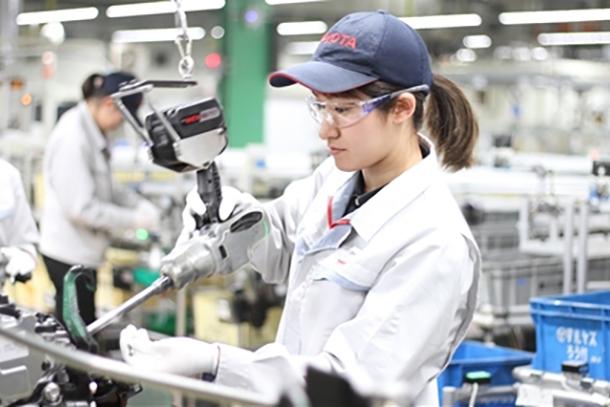
TOKYO, May 1, 2026 (Parliament Politics Magazine) Automotive profit margins pressure is intensifying across the global automotive sector as Toyota Motor Corporation prepares to post its fourth consecutive quarterly profit decline. The continued downturn reflects a convergence of rising costs, geopolitical instability, and shifting market dynamics affecting manufacturers worldwide.
The latest outlook highlights a difficult transition period for automakers. While consumer demand has not collapsed, profitability is being squeezed from multiple directions. The persistence of automotive profit margins pressure suggests that the industry is facing structural challenges rather than a short-term disruption.
Key Drivers Behind Margin Pressure
- Profit Trend: Fourth consecutive quarterly decline expected
- Cost Drivers: Rising raw materials, labor, and logistics expenses
- Energy Impact: Higher fuel prices linked to geopolitical risks
- Currency Factor: Exchange rate volatility affecting global earnings
- Market Demand: Stable but increasingly price-sensitive consumers
- Strategic Focus: Efficiency improvements and cost controls
Rising production costs reshape industry economics
The primary force behind automotive profit margins pressure is the sustained rise in production costs. Materials such as steel, aluminum, and battery components have become significantly more expensive, while labor costs continue to climb in key manufacturing regions.
Logistics expenses also remain elevated, with transportation and supply chain disruptions increasing operational complexity. These factors are making it more difficult for automakers to maintain traditional profit levels.
An industry analyst stated:
“The cost structure of the automotive industry has fundamentally changed. Margins are being compressed even when sales remain steady.”
This shift is forcing companies to reassess pricing strategies and operational efficiency.
Geopolitical risks add uncertainty to cost structure
Geopolitical tensions, particularly in energy-producing regions, are amplifying automotive profit margins pressure. Fluctuations in oil prices have a direct impact on manufacturing costs, transportation, and consumer behavior.
Higher fuel costs can reduce consumer spending power, potentially affecting vehicle demand. At the same time, they increase operational expenses for manufacturers, creating a dual challenge.
This environment makes it increasingly difficult for automakers to forecast costs and manage profitability effectively.

Currency volatility impacts global earnings
Another key contributor to automotive profit margins pressure is currency fluctuation. Global automakers operate across multiple regions, making them highly sensitive to exchange rate movements.
A stronger domestic currency can reduce the value of international revenue, while weaker currencies in key markets can impact pricing competitiveness. These fluctuations add complexity to financial planning and reporting.
Managing currency exposure has become a critical component of maintaining profitability.
Strategic adjustments to counter margin compression
To address automotive profit margins pressure, companies like Toyota Motor Corporation are implementing a range of strategic initiatives.
These include:
- Streamlining manufacturing processes
- Increasing automation and efficiency
- Optimizing supply chain networks
- Adjusting pricing strategies in key markets
A company executive commented:
“Our focus is on maintaining resilience while continuing to invest in future growth areas.”
These measures aim to offset rising costs while preserving long-term competitiveness.
Competitive pressures intensify across the market
The automotive sector is becoming increasingly competitive, further contributing to automotive profit margins pressure. Companies are not only competing on price but also on innovation, technology, and sustainability.
The transition to electric vehicles has significantly increased capital expenditure requirements, adding to financial pressure. At the same time, new entrants are disrupting traditional market structures.
This competitive environment is forcing established manufacturers to adapt quickly to maintain their market position.
Historical perspective on automotive margin cycles
Understanding long-term industry trends
The current automotive profit margins pressure can be better understood by examining historical industry cycles. The automotive sector has experienced similar periods of margin compression in the past, often triggered by external factors such as energy price spikes or economic downturns.
These cycles typically lead to industry consolidation, innovation, and operational improvements. While the current challenges are significant, they are part of a broader pattern that has shaped the industry over decades.
Investor sentiment reflects cautious outlook
Investors are closely monitoring automotive profit margins pressure as an indicator of broader economic conditions. The continued decline in profits has led to cautious sentiment in financial markets.
Analysts are focusing on:
- Cost control effectiveness
- Exposure to geopolitical risks
- Long-term growth potential
While short-term concerns persist, many investors remain confident in the industry’s ability to adapt over time.
Future outlook: navigating a complex environment
Looking ahead, the trajectory of automotive profit margins pressure will depend on several key factors:
- Stability in global energy markets
- Resolution of geopolitical tensions
- Effectiveness of cost management strategies
A market strategist noted:
“The next phase for automakers will be defined by how well they manage costs while continuing to innovate.”
The industry’s ability to navigate these challenges will determine future profitability.

Automotive Profit Margins Pressure: What It Means for 2026
The continued automotive profit margins pressure underscores the challenges facing global automakers in 2026. Rising costs, geopolitical uncertainty, and currency volatility are compressing margins, even as demand remains relatively stable.
Companies like Toyota Motor Corporation are responding with efficiency measures and strategic investments. However, the broader environment remains uncertain, suggesting that margin pressure could persist in the near term.