


Manama, Bahrain — March 12, 2026 — Parliament Politics Magazine — Authorities issued a Bahrain shelter warning across several parts of the country after emergency sirens sounded and residents were urged to move indoors. The alert quickly spread through civil defense systems, mobile notifications, and national media broadcasts as officials instructed citizens to seek immediate shelter.
The Bahrain shelter warning was described by government officials as a precautionary measure during a period of heightened regional tensions in the Gulf. Residents in the capital city reported hearing sirens across neighborhoods while emergency notifications advised people to remain indoors and follow official instructions.
Authorities emphasized that the Bahrain shelter warning was designed to protect civilians and provide time for security agencies to evaluate potential risks. Emergency crews and law enforcement teams were deployed across several districts to monitor the situation and ensure public safety.
Many residents said the alert created concern but also demonstrated the effectiveness of Bahrain’s emergency communication system. The rapid response showed how modern warning systems can notify entire populations within minutes during uncertain events.
Emergency Response Across the Capital
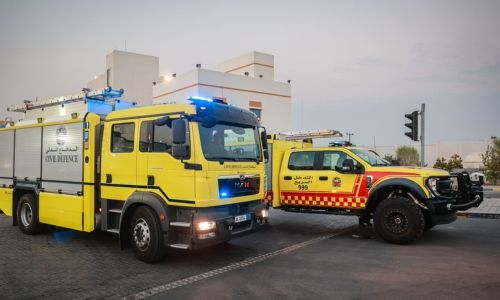
Civil defense agencies confirmed that the Bahrain shelter warning activated the country’s national emergency alert infrastructure. Sirens, mobile alerts, and broadcast messages were used simultaneously to ensure residents received the warning quickly.
Public officials urged citizens to remain calm and cooperate with authorities while the situation was assessed. Businesses temporarily closed and some public facilities asked people to remain indoors as a precaution.
Emergency preparedness programs in Bahrain have trained citizens to respond quickly when alerts are issued. As a result, most residents reacted calmly to the Bahrain shelter warning, following instructions to stay indoors and monitor official updates.
Officials also stressed the importance of relying on verified information sources to prevent misinformation during emergency situations.
Historical Comparison
Events like the Bahrain shelter warning often remind observers of past regional security alerts in the Gulf. Over the past several decades, countries in the region have experienced periods of heightened tension that required governments to activate emergency warning systems.
During earlier conflicts and regional crises, rapid alerts helped protect civilian populations by giving people time to seek shelter. Those experiences led many governments, including Bahrain, to invest heavily in civil defense infrastructure and nationwide emergency communication networks.
Although the recent alert did not escalate into a larger crisis, the Bahrain shelter warning highlights how lessons from history continue to shape modern emergency preparedness strategies.
Expert Perspective
Security analysts say that emergency alerts play a crucial role in protecting civilians when potential threats emerge. Even precautionary warnings demonstrate how seriously governments take public safety.
One regional security analyst explained the importance of these systems, stating,
“Early warning systems are one of the most effective ways to protect civilians because they provide valuable time for people to move to safety while authorities assess the situation.”
The expert added that alerts such as the Bahrain shelter warning show how governments are increasingly prioritizing preparedness in a world where security conditions can change rapidly.
Public Reaction and Community Response
Residents across Manama described the moment sirens began sounding throughout the city. Families gathered indoors while businesses paused operations and people checked news updates for more information.
Social media quickly filled with posts from citizens sharing their experiences during the Bahrain shelter warning. Many residents expressed concern but also praised the speed with which authorities communicated instructions.
Community cooperation played an important role during the alert. Citizens followed official guidance and remained indoors until authorities indicated that the situation was under control.
For many people, the experience reinforced the importance of staying informed and prepared during emergencies.
A Moment That Tested Preparedness
The Bahrain shelter warning served as a real world test of the country’s emergency readiness systems. From rapid alerts to coordinated responses by emergency services, the event demonstrated how modern civil defense strategies operate during uncertain situations.
While authorities continue monitoring regional developments, the alert showed that preparedness, communication, and public cooperation remain essential for maintaining safety.
For Bahrain’s citizens, the experience was both a reminder of regional realities and a demonstration that early warning systems can help protect communities when every minute matters.
Brief Recap of the Situation
The Bahrain shelter warning prompted immediate action across the country as authorities activated emergency systems and urged residents to seek shelter. Sirens and alerts quickly reached citizens, leading businesses and residents to follow safety instructions.
Historical experience shows why governments invest heavily in emergency warning systems, and experts say these alerts are crucial for protecting civilian populations. Public cooperation during the incident demonstrated Bahrain’s preparedness and the effectiveness of its civil defense communication network.
Although the situation did not escalate further, the Bahrain shelter warning highlighted how preparedness and rapid communication remain essential in maintaining national security and public safety.