

Bitcoin regulation 2026 discussions intensified as the US Senate prepared to review major cryptocurrency legislation next week in Washington.
Lawmakers are expected to debate stablecoin oversight, investor protections, and federal authority over digital asset markets.
The proposed legislation could significantly reshape the future of cryptocurrency regulation and blockchain innovation in the United States.
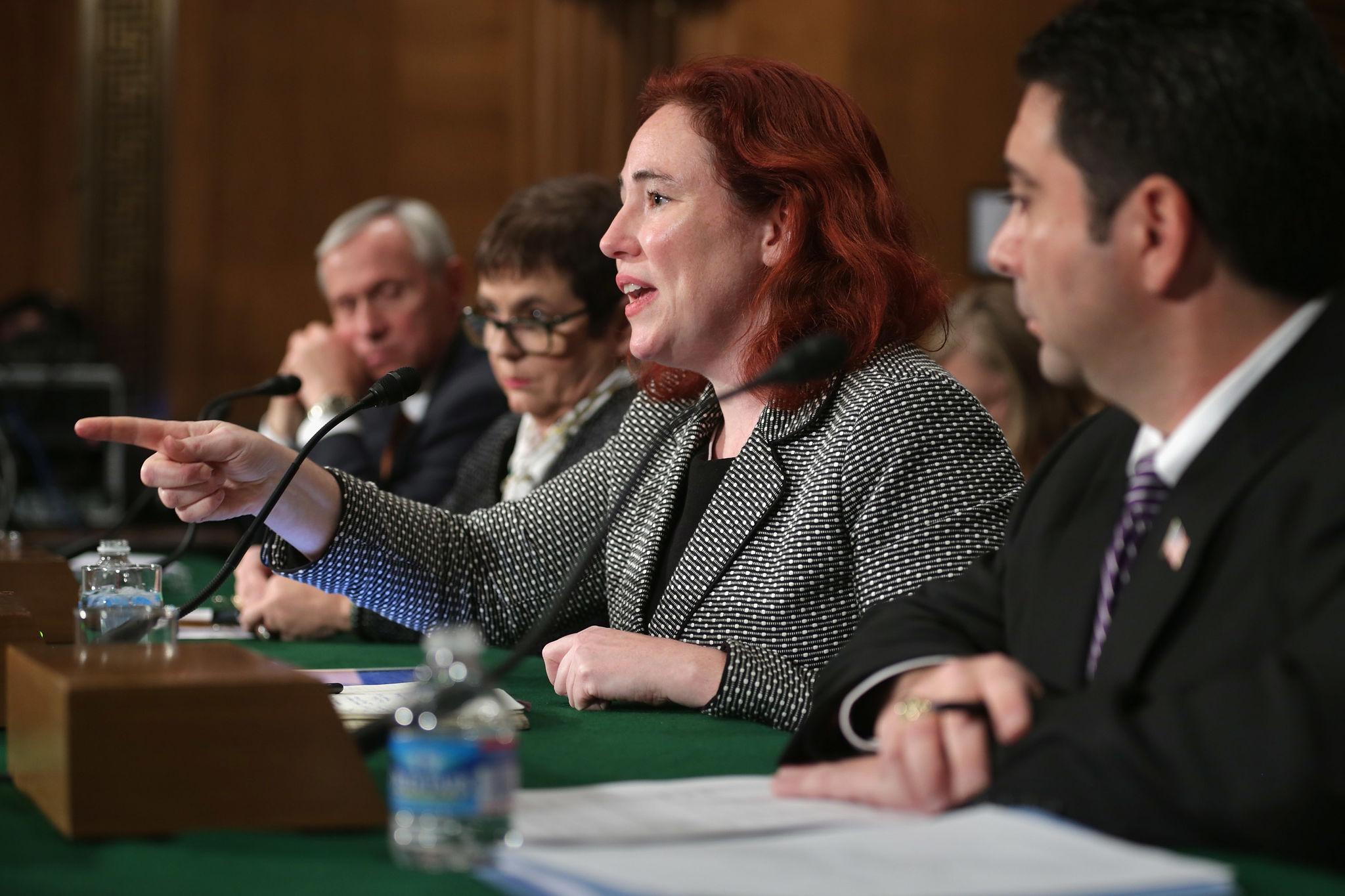
Washington, DC (Parliament Politics Magazine) Bitcoin regulation 2026 entered a critical new phase Friday as a key US Senate Committee prepared to review long-awaited cryptocurrency legislation that could significantly reshape digital asset oversight across the United States.
The upcoming Senate discussions arrive during a period of increasing political pressure surrounding cryptocurrency markets, stablecoin oversight, and investor protection standards. Lawmakers are expected to debate how federal agencies should regulate digital assets while balancing innovation, financial security, and market transparency.
Industry analysts say the proposed legislation could become one of the most important cryptocurrency policy developments in years, potentially influencing exchanges, blockchain firms, institutional investors, and millions of digital asset holders worldwide.
“The direction of cryptocurrency regulation in America could be shaped by what happens in Congress over the next several months,”
one digital finance strategist said.
Senate Committee Prepares for Major Cryptocurrency Debate
The expanding Bitcoin regulation 2026 discussions reflect growing efforts inside Washington to establish clearer rules for digital finance markets.
Lawmakers are expected to examine oversight responsibilities involving cryptocurrency exchanges, stablecoin issuers, anti-money laundering compliance, and broader investor protection measures.
Supporters of the legislation argue that stronger federal standards could improve long-term market confidence while reducing fraud and instability tied to digital asset trading platforms.
Critics, however, remain concerned that aggressive regulation could slow innovation and push blockchain companies toward international markets with fewer restrictions.
Several senators have emphasized the importance of modernizing financial regulations as cryptocurrency adoption continues growing globally.
Stablecoins Become Central to Regulatory Discussions
One of the most important areas tied to the Bitcoin regulation 2026 debate involves stablecoins, which are digital assets designed to maintain consistent value by linking to traditional currencies such as the US dollar.
Federal officials increasingly view stablecoins as systemically important because of their expanding role in digital payments and cryptocurrency trading infrastructure.
The Senate Committee is expected to review whether stablecoin issuers should face requirements similar to traditional financial institutions or banking entities.
Industry observers believe the stablecoin debate may ultimately become one of the defining aspects of future cryptocurrency regulation.
“Stablecoins are now viewed as one of the most sensitive areas within digital finance,”
one cryptocurrency policy analyst explained.
Cryptocurrency Markets React to Policy Expectations
Financial markets are closely monitoring developments tied to the proposed legislation because regulatory changes could influence cryptocurrency pricing and institutional investment trends.
The ongoing Bitcoin regulation 2026 discussions have already increased investor focus on Bitcoin, Ethereum, stablecoins, and blockchain-related equities.
Historically, cryptocurrency markets have reacted sharply to major policy announcements involving taxation, exchange oversight, or federal enforcement activity.
Some analysts believe regulatory clarity could ultimately strengthen the cryptocurrency sector by encouraging more institutional participation.
Others caution that stricter compliance requirements may create operational challenges for smaller blockchain firms and decentralized finance projects.

History of Bitcoin Regulation in the United States
The current Bitcoin regulation 2026 debate follows more than a decade of political and financial uncertainty surrounding digital assets.
Since Bitcoin first emerged in the late 2000s, lawmakers and regulators have struggled to determine how cryptocurrencies should fit within existing financial laws and securities frameworks.
The debate intensified after several major cryptocurrency collapses, cybersecurity incidents, and exchange failures triggered calls for stronger federal oversight and consumer protections.
Over the years, agencies such as the Securities and Exchange Commission, Commodity Futures Trading Commission, and Treasury Department expanded enforcement efforts tied to cryptocurrency trading and digital asset compliance.
Despite regulatory uncertainty, Bitcoin and blockchain technology continued gaining mainstream visibility among investors, corporations, and financial institutions.
Lawmakers Divided on Digital Asset Oversight
Political divisions remain significant as the Senate Committee prepares for the upcoming review process.
The broader Bitcoin regulation 2026 discussions highlight disagreements over how aggressively the federal government should regulate digital finance markets.
Some lawmakers view blockchain technology as an important driver of innovation and economic competitiveness.
Others remain concerned about cybersecurity threats, money laundering risks, speculative trading activity, and financial stability tied to cryptocurrency markets.
The final direction of the legislation may depend heavily on negotiations involving federal agencies, banking regulators, and industry stakeholders.
“Congress faces pressure to create clear rules without undermining financial innovation,”
one Washington policy consultant stated.
Institutional Investors Seek Regulatory Clarity
Large financial institutions and investment firms are also closely monitoring the Senate’s actions involving cryptocurrency oversight.
The growing Bitcoin regulation 2026 debate has increased pressure on policymakers to provide clearer legal standards for institutional cryptocurrency participation.
Banks, fintech companies, and asset managers continue exploring blockchain-related investment opportunities despite ongoing uncertainty surrounding regulation.
Several firms believe stronger federal standards could encourage broader adoption of digital assets by pension funds, corporations, and traditional investment managers.
At the same time, industry executives continue warning against excessive restrictions that could slow technological development inside the United States.
What Comes Next for Bitcoin and Digital Finance?
The upcoming Senate review could mark the beginning of a much larger legislative process involving cryptocurrency regulation throughout 2026.
The expanding Bitcoin regulation 2026 debate is expected to remain one of the most closely watched financial and technology stories of the year as lawmakers attempt to modernize digital asset oversight.
Future discussions may eventually include decentralized finance systems, token classifications, cryptocurrency taxation, cybersecurity standards, and international coordination involving digital currencies.
Global regulators are also monitoring US policy developments closely because American regulatory decisions often influence financial standards worldwide.
For now, cryptocurrency investors and blockchain companies remain focused on whether Congress can create balanced rules that encourage both innovation and market stability.
Quick Takeaway
The US Senate’s upcoming cryptocurrency legislation review could significantly influence the future of Bitcoin and digital asset regulation throughout 2026. Lawmakers are expected to debate investor protections, stablecoin oversight, and federal enforcement authority as markets worldwide closely monitor the future direction of cryptocurrency policy in the United States.

Bitcoin Regulation 2026 at a Glance
- Country: United States
- Location: Washington, DC
- Date: May 9, 2026
- Main Topic: Bitcoin regulation 2026
- Legislative Focus: Cryptocurrency oversight and stablecoins
- Key Agencies: SEC, Treasury Department, Senate Committee
- Market Concern: Regulatory clarity and investor protection
- Technology Focus: Blockchain and digital finance
- Political Issue: Innovation versus regulation
- Industry Impact: Exchanges, fintech firms, and investors
- Global Relevance: International cryptocurrency policy influence
- 2026 Outlook: Expanded federal oversight expected