BEIRUT, Lebanon, April 17, 2026 (Parliament Politics Magazine) breaking Lebanon ceasefire developments are placing renewed focus on the stability of the Middle East after early reports of tension emerged only hours after a truce was announced. Officials across the region are urging restraint while international observers monitor whether the ceasefire can hold during its most critical opening phase.
The agreement had been welcomed as a potential turning point after weeks of uncertainty. Instead, fresh concerns have quickly surfaced, reminding world leaders that peace arrangements in volatile regions often face immediate pressure.
Early Hours of Ceasefire Often Most Difficult
Security analysts have long warned that the first phase of any ceasefire is often the most delicate. Communication gaps, isolated incidents, or conflicting interpretations of terms can place new agreements under strain before monitoring systems are fully active.
That appears to be the challenge now facing Lebanon. While no official declaration has been made that the ceasefire has collapsed, the latest tensions are enough to place regional capitals on alert. Diplomatic channels are believed to be active as all sides attempt to prevent escalation.
One regional observer said,
“The first hours of a ceasefire are when discipline matters most. One mistake can change everything.”
Why Lebanon Stability Matters Beyond Its Borders
Lebanon’s location and political importance make it central to wider Middle East security. When tensions rise there, neighboring countries, trade routes, and global markets often react quickly.
That is why breaking Lebanon ceasefire reports are being followed not only in the region, but also in Washington, London, Brussels, and major financial centers worldwide. A conflict flare-up in Lebanon can affect diplomacy involving several countries at once.
The nation has also faced years of economic pressure, making stability even more important for residents and businesses seeking recovery.
Trump Comments on Tehran Add New Attention
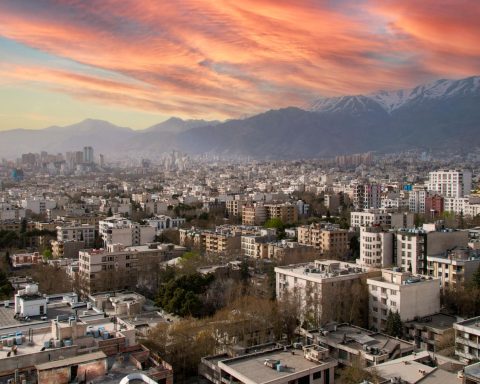
At the same time, Donald Trump said a possible diplomatic agreement with Tehran may be close. That statement added another layer of significance to the ceasefire story, as broader regional negotiations could depend on reduced tensions in Lebanon.
Analysts say simultaneous diplomacy and security risks are common in the Middle East, where progress in one area can be offset by setbacks in another.
If a Tehran agreement advances while Lebanon remains calm, markets may view it as a major positive shift. If instability returns, optimism could fade quickly.
Oil Prices and Markets Watching Closely
Energy traders are among the first to react whenever tensions rise in the Middle East. The region remains a critical supplier of oil and gas, and any sign of conflict can create immediate market volatility.
The phrase breaking Lebanon ceasefire may sound regional, but its impact can spread quickly. Higher oil prices can increase transport costs, pressure inflation, and affect consumer budgets around the world.
Stock markets also watch geopolitical developments closely because uncertainty can weaken confidence and slow investment decisions.
Civilians Face the Real Burden
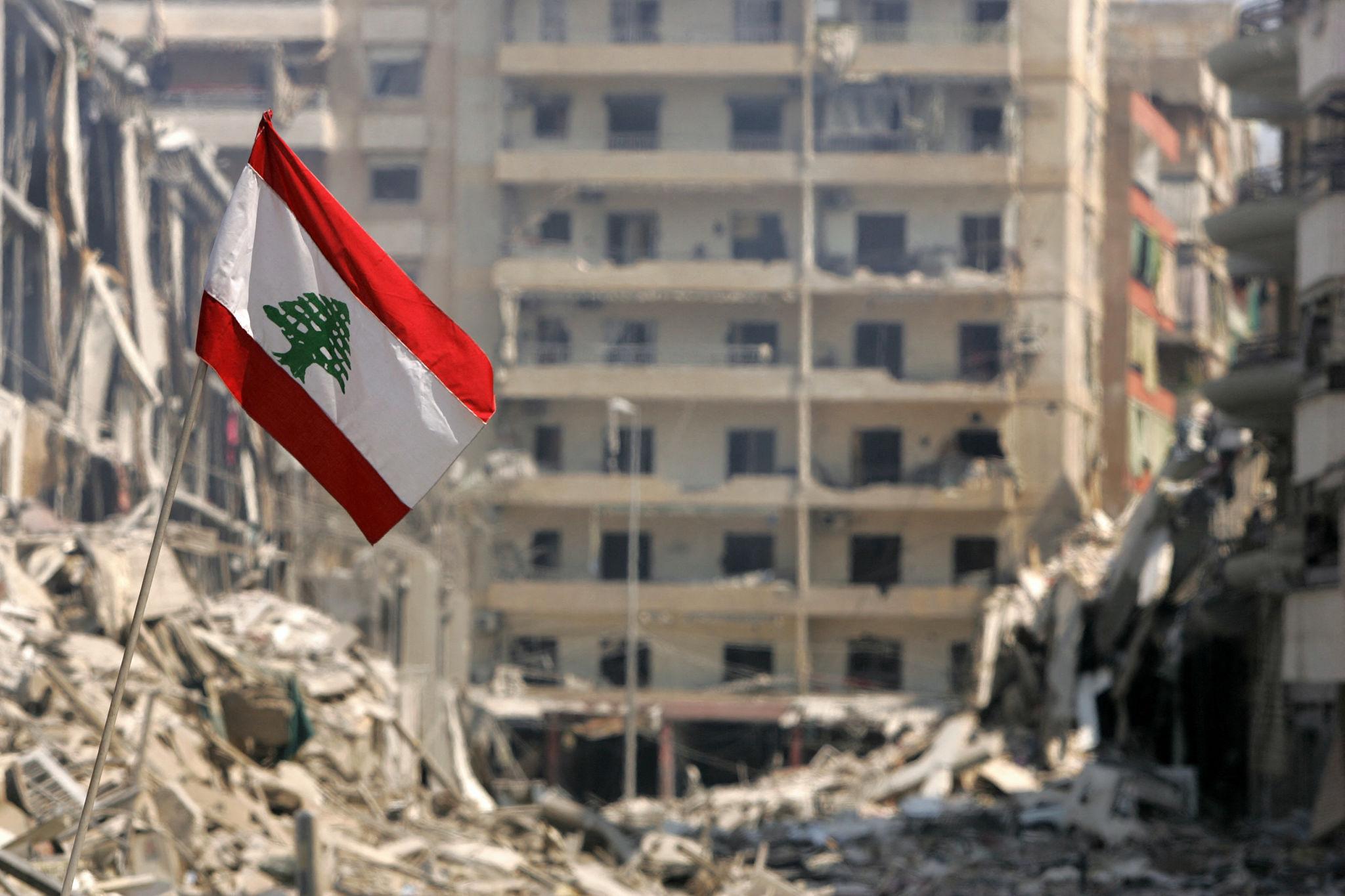
For residents in Lebanon, the true concern is not political developments but the impact on their everyday lives. Families want safety, schools open, businesses operating, and neighborhoods free from fear.
Every hour of calm can help restore routine life. Every setback can create renewed anxiety. That human reality remains the most important part of the story.
Aid organizations and local businesses also depend on stability. Ceasefires often provide opportunities for humanitarian movement, commerce, and rebuilding efforts that conflict interrupts.
What Leaders Must Do Next
Diplomats now face pressure to strengthen the ceasefire immediately. Experts say successful truces usually require direct communication lines, independent monitoring, and clear consequences for violations.
Without those safeguards, misunderstandings can spiral quickly. With them, temporary calm can become longer-term stability.
Governments are also expected to continue behind-the-scenes talks aimed at broader regional security arrangements.
What Happens Next?
Several paths are possible over the coming days:
Calm Holds
Officials contain tensions and the ceasefire continues.
Diplomacy Expands
Regional talks gain momentum and wider agreements become possible.
Volatility Returns
New incidents could reignite security concerns.
Markets Stay Sensitive
Investors react to each new update until stability is clearer.
Why This Story Matters Worldwide
The phrase breaking Lebanon ceasefire may appear to be a regional issue, but its effects can quickly spread across the world. Energy markets often react first, with fuel prices rising when instability increases. Higher fuel costs can then add pressure to inflation and household budgets.
Stock markets also watch these developments closely, as investors prefer stability over uncertainty. Political tensions in the Middle East can influence trade confidence, travel activity, and business sentiment worldwide.
That is why governments, financial centers, and everyday citizens are paying close attention. What begins as a local ceasefire can create global economic and political consequences.
Peace Watch: Why the Next 48 Hours Matter
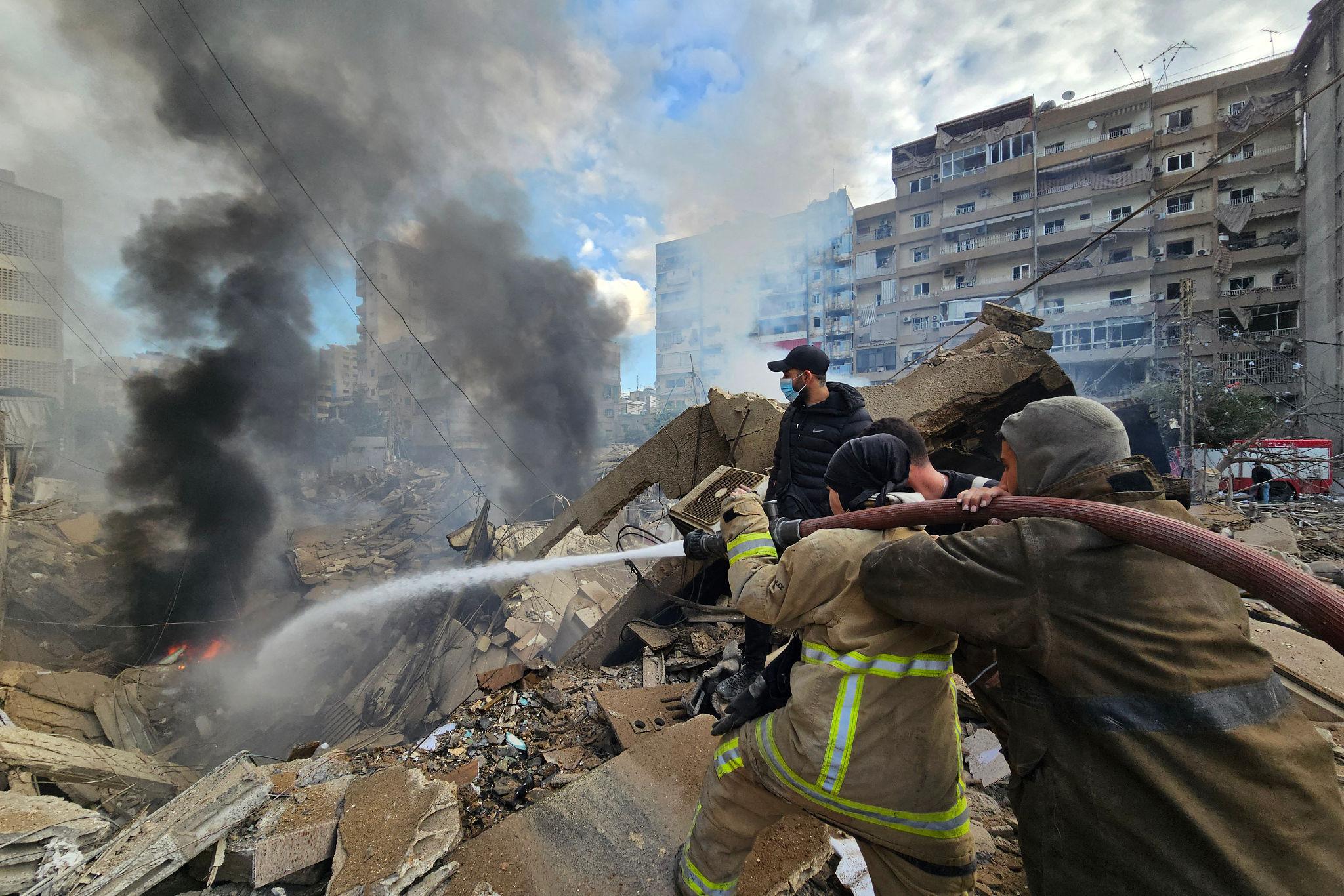
breaking Lebanon ceasefire developments have turned what was meant to be a hopeful moment into a critical test for regional peace. Governments are working urgently to preserve calm and prevent isolated tensions from growing into something larger.
Global markets are watching because oil prices, inflation, and confidence can all be affected by events in Lebanon. Residents are watching for a more personal reason: the chance to live normal lives again.
The next 48 hours may determine whether this ceasefire becomes a foundation for peace, or another missed opportunity.