
The relationship of the UK Supreme Court and the European Court of Human Rights (ECHR) is often misunderstood, and people frequently ask if the ECHR can overrule the UK’s highest court or if the Supreme Court ultimately has the last word. To support a clear understanding, we need to examine both courts regarding how they operate, their authority, and how they create law within the UK. This guide explains the role of each court, what makes them different, and where they overlap in authority or conflict in authority.
What is the UK Supreme Court?
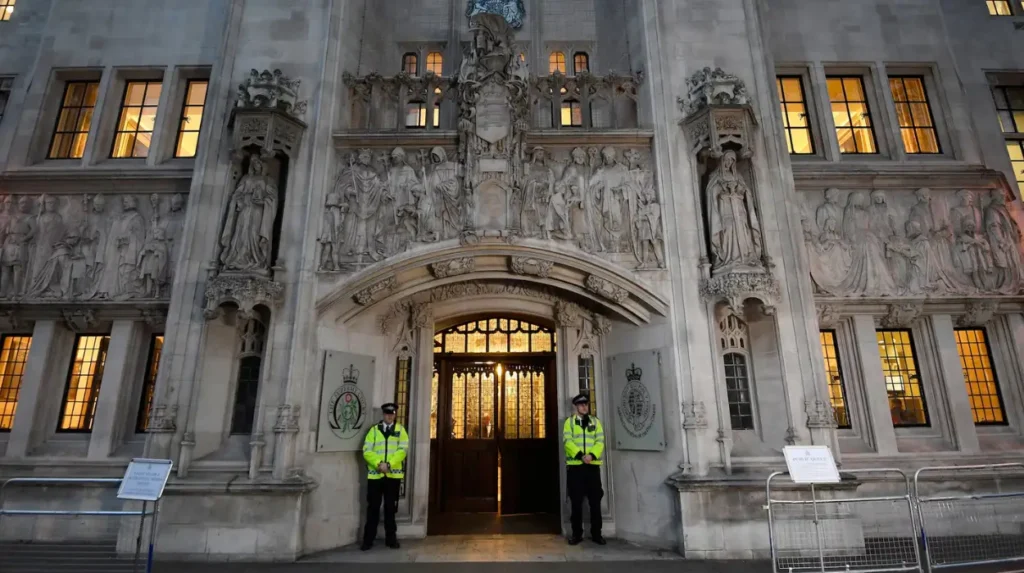
The UK Supreme Court is the highest court in the UK. The UK Supreme Court has the final say in all legal issues in England, Wales, Northern Ireland, and Scotland. The Supreme Court hears appeals from those who make applications on points of law of public importance. Decisions of the Supreme Court will bind every other court in the UK. The court was designed to be independent from Parliament and government and exists to uphold the rule of law. In simple terms, if you are challenging a legal decision in the UK, the Supreme Court is the last decision-based court within the country.
What is the European Court of Human Rights (ECHR)?
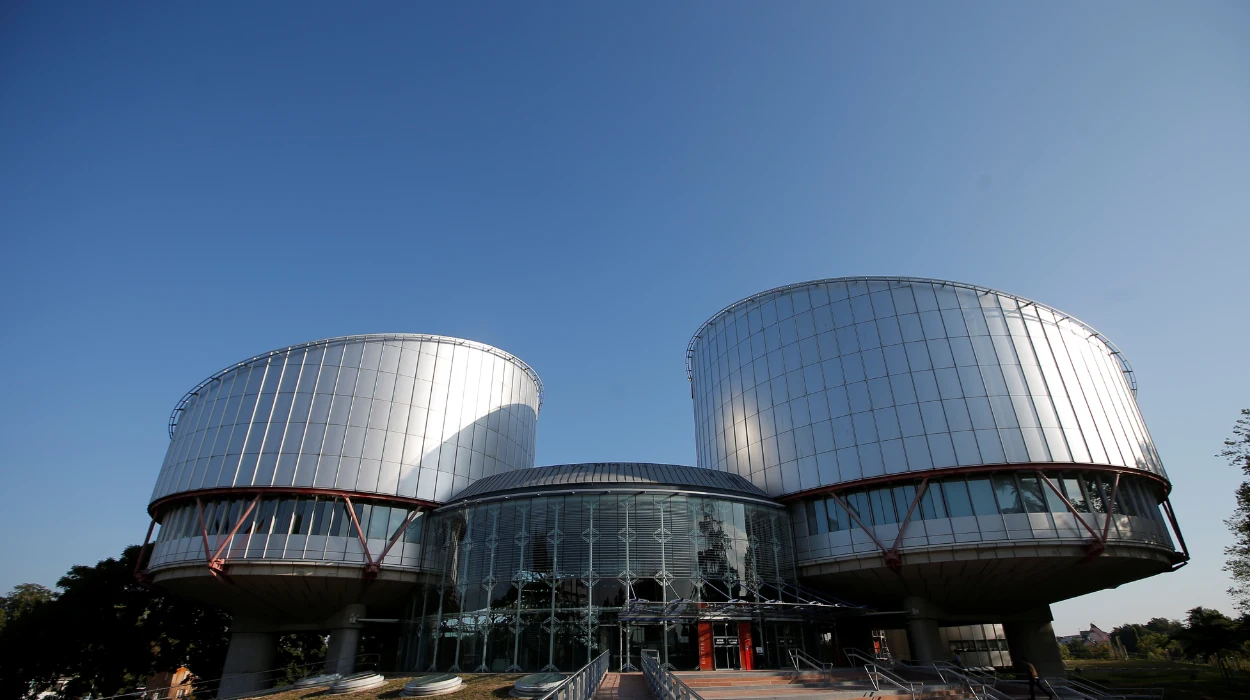
The European Court of Human Rights (ECHR) is located in Strasbourg, France, and is the creation of the European Convention on Human Rights. The UK signed the convention in 1951. The ECHR deals with cases where individuals think their human rights were violated by a state. UK people can take their case to the ECHR only after they have exhausted all their legal options in British courts. The ECHR is not part of the European Union; it is part of the Council of Europe, which currently has 46 member states. This means that after Brexit, the UK is still within the ECHR system.
Can the ECHR overrule the UK Supreme Court?
The answer is no. The ECHR does not have overriding powers over the UK Supreme Court, either direct or indirect. The UK legal system does not allow for an international court to erase or cancel something done by the highest court.
However, the ECHR can make a judgment that says the UK has not fulfilled its obligations under the European Convention on Human Rights in this case. This does not overturn a UK Supreme Court decision but has the effect of pressuring the UK government into changing its law or way of doing things.
In what way does the ECHR have legal effect in UK law?
The ECHR does not have direct overruling powers but has significant influence over British law. If the ECHR rules against the UK, the expectation is that the government will comply. Parliament creates new laws to ensure that the UK lives up to its human rights obligations. The UK Supreme Court regularly looks at ECHR case law when reaching its own decisions. The Supreme Court sits above all other national courts in the UK, while the ECHR acts as an external authority checking the degree to which the country implements human rights.
Examples of the UK being influenced by the ECHR
There are several examples that demonstrate the extent to which ECHR law has influenced the UK:
- Prisoners’ right to vote: The UK had a blanket ban on prisoners voting, which the ECHR found violated human rights. Although the UK resisted for several years, it ultimately would make limited changes.
- Stop and search powers: The ECHR found that a number of police powers given to officers under anti-terror legislation were too broad and unjustifiably interfered with the right to privacy. The UK subsequently reformed these laws. Both examples demonstrate that the ECHR cannot force the UK to act instantly; its findings carry weight.
Supreme Court vs. ECHR: Main Difference
In order to understand the nature of the balance of power, it is helpful to outline the main differences:
- Jurisdiction: The Supreme Court is ultimately concerned with UK law. Whereas the ECHR deals with human rights issues across Europe.
- Authority: The Supreme Court is the final authority with legal standing in the UK. The ECHR has moral and political authority. But it lacks legal authority in that the ECHR cannot legally force any action.
- Enforcement: The UK must comply with Supreme Court judgments. In contrast, compliance with ECHR judgments is dependent on the government’s wish to comply with decisions made by the ECHR.
The Value of Human Rights Act

The Human Rights Act 1998 (HRA) brought the European Convention on Human Rights (ECHR) into domestic law in the UK, which means that the UK courts must interpret legislation and the common law in a way that is compatible with and respects human rights. All courts in the UK (including the Supreme Court) must follow this.
If the legislation cannot be interpreted in accordance with human rights, the courts can make a declaration of incompatibility, leaving it up to Parliament to decide to change it or not. People do not have to go to Strasbourg because UK courts can apply ECHR principles already. This shows how the ECHR and Supreme Court are manifested within the framework of domestic law.
Does Parliament Have the Final Say?
Parliament is sovereign in the UK constitutional sense, which means Parliament can legislate or repeal any law, including laws from human rights.
The Supreme Court must legislate what Parliament legislates. On its own, the ECHR cannot require Parliament to change legislation, but it has the capacity to generate political and diplomatic pressure. This generates a conflict between the Supreme Court and the ECHR. There are no “absolute” powers between the two institutions, and ultimately, any issue comes down to Parliament.
Which Court Holds Greater Power?
The answer depends on perspective when comparing the UK Supreme Court and ECHR. The Supreme Court is the highest court in the UK. If we consider the European level, the ECHR can question the actions of the UK, but it cannot require a change in law. In the end, it is Parliament that has the power to determine whether it will follow the decision of the ECHR. So the ECHR has a degree of influence; the UK Supreme Court has a greater degree of direct legal power in the UK.