

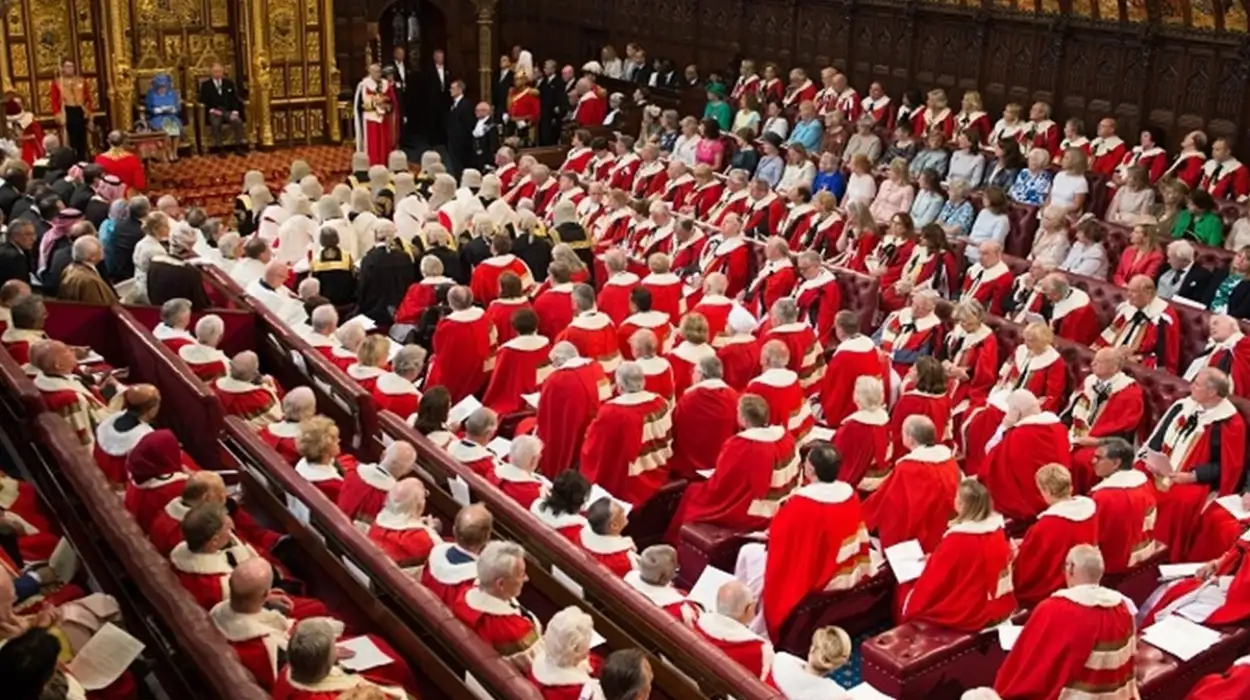
The UK Internal Market Bill sparked some controversy in the areas of politics, law, and international relations. In the first few months following the bill’s introduction, many people debated if the House of Lords would reject this bill entirely. To understand the issue, it is necessary to understand how Parliament works, the role of the House of Lords, and what happened to the bill in the months after it was introduced.
What is the Internal Market Bill?
The UK Internal Market Bill was introduced in 2020. Its main purpose was to ensure that trade still happens between England, Scotland, Wales, and Northern Ireland after Brexit. The bill established the rules so that every good service flows easily across the four nations of the UK. In other words, if a product is produced in Scotland, it must be accepted in England without additional barriers.
The bill became very controversial. First, critics suggested that the bill gave the UK government too much power and stripped devolved governments like Scotland and Wales of their inherent rights. Others suggested that some provisions of the bill broke international law and violated the Brexit withdrawal agreement entered into with the EU.
The Role of the House of Lords
The House of Lords is the second chamber for the UK Parliament. The House of Lords main purpose is to consider, discuss, and revise laws decided on by the House of Commons. The House of Commons is elected by the people. The House of Lords is not elected; it is made up of life peers, bishops, and hereditary peers.
The Lords are a revising chamber. They scrutinize the details in legislation and suggest amendments. They may also delay legislation when they feel it isn’t appropriate. And can they ultimately reject a bill?
Can the House of Lords reject a bill?

The answer is yes, but only to an extent. The House of Lords does have the power to reject a bill. Due to the Parliament Acts of 1911 and 1949, the House of Commons can ultimately pass most bills without the Lords agreement. If the House of Commons is determined to make a law, then the House of Lords may only delay it. With money bills (bills related to taxation and spending), the Lords essentially have no power at all. With all other kinds of bills, the Lords can send them to the Commons with amendments; it is always entirely the Commons decision.
This means that the House of Lords can oppose and vote against a bill, but it cannot stop a bill forever.
The House of Lords and the Internal Market Bill
When the Internal Market Bill was first presented, the House of Lords opposed large parts of it. The Lords voted to remove parts of the bill that allowed the UK Government to override parts of the Brexit withdrawal agreement as well.
Many of the lords argued that this would break international law and damage the UK’s reputation, and this was one of the biggest defeats experienced by the government in the House of Lords.
But the House of Commons restored the controversial provisions because they are the elected chamber, and the Commons carries more weight.
Why Couldn’t the House of Lords Stop the Bill Completely?
The most obvious reason is parliamentary sovereignty. In the UK, the House of Commons reflects the will of the people because common members are elected to office; they carry the most authority.
The House of Lords can review, delay, and propose amendments to a bill, but there would be a constitutional crisis if the Lords were to try to stop a government bill altogether. And the Parliament Acts prevent it by limiting the lord’s power. In reality, the Lords cannot reject a bill, like the Internal Market Bill, if the Commons insist on passing it.
What Happened After the Lords’ Opposition?

Once the House of Lords stripped the different clauses from the bill, it went back to the House of Commons. The government, under Prime Minister Boris Johnson, reinserted those clauses.
Later, under pressure from the European Union and negotiations, these were again dropped from the bill, along with other controversial powers and provisions. This demonstrates that the Lords ‘could not overturn the bill; their opposition led to political pressure and some deliberation.
Why the House of Lords Matters
Although their ability to reject a bill is not permanent, they matter for a number of reasons:
- Detailed Scrutiny of the Law: Peers will pick up mistakes in laws and scrutinize the legislation, whereas the Commons may have missed the mistakes.
- Expert Knowledge: Lords are experts in various fields: law, business, science, and public service, for example.
- Check on Government Power: By questioning bills, such as the Internal Markets Bill, the Lords require ministers to show their work.
- Public Debate and Discussion: Opposition in the Lords can raise public awareness, which can lead to increasing political pressure.
What Does This Mean for Future Bills?
The situation with the Internal Market Bill demonstrates that:
The House of Lords can scrutinize legislation and strike out parts that are problematic.
The House of Commons has the final decision-making ability to pass the Bill.
The pressures of the Lords, public opinion, and friends and partners overseas can result in amendments and changes. There is no possibility that the Lords can completely stop a bill; their opposition can influence or restrict the outcome of what is finally agreed.
Lords Can Delay, Not Defeat the Bill
So can the Lords stop the Internal Market Bill? The answer is they cannot entirely. They can oppose it, delay it, and strike out the problematic parts. What they cannot do is prevent the power of the House of Commons.
The Internal Market Bill represents a clear example of how Parliament works in the UK. The Lords acting as guardians of detail and principles; the Commons acting as the voice of the people. Together they can create legislation that has a lasting impact on the UK.
