


Iran / Pakistan, April 12, 2026 (Parliament Politics Magazine) ceasefire negotiation breakdown A significant diplomatic setback has emerged as senior Iranian official Mohammad Bagher Ghalibaf accused the United States of contributing to the failure of ceasefire talks involving Pakistan.
The collapse of negotiations has heightened concerns about regional stability, with analysts warning that the lack of agreement could lead to further escalation in already fragile areas.
Accusations intensify diplomatic tensions
The ceasefire negotiation breakdown has quickly become a focal point in international discussions. Ghalibaf’s remarks suggest that external interference disrupted progress, preventing a potential agreement.
While U.S. officials have not issued an immediate response, the accusations have added complexity to an already tense geopolitical environment.
A regional expert noted:
“When negotiations fail, blame often follows—but it also makes rebuilding trust significantly harder.”
Failed talks highlight fragile diplomacy
The ceasefire negotiation breakdown underscores the challenges of maintaining dialogue in a region shaped by competing interests and longstanding tensions.
Negotiators had hoped the talks would provide a pathway toward de-escalation, particularly in areas affected by cross-border incidents. However, the collapse highlights the difficulty of achieving consensus.
Pakistan’s role under increased pressure
Pakistan has played a central role in facilitating discussions, aiming to balance regional relationships while promoting stability.
The ceasefire negotiation breakdown places additional pressure on Pakistan’s diplomatic efforts, as it continues to navigate complex political dynamics.
Officials have emphasized the importance of keeping communication channels open despite the setback.
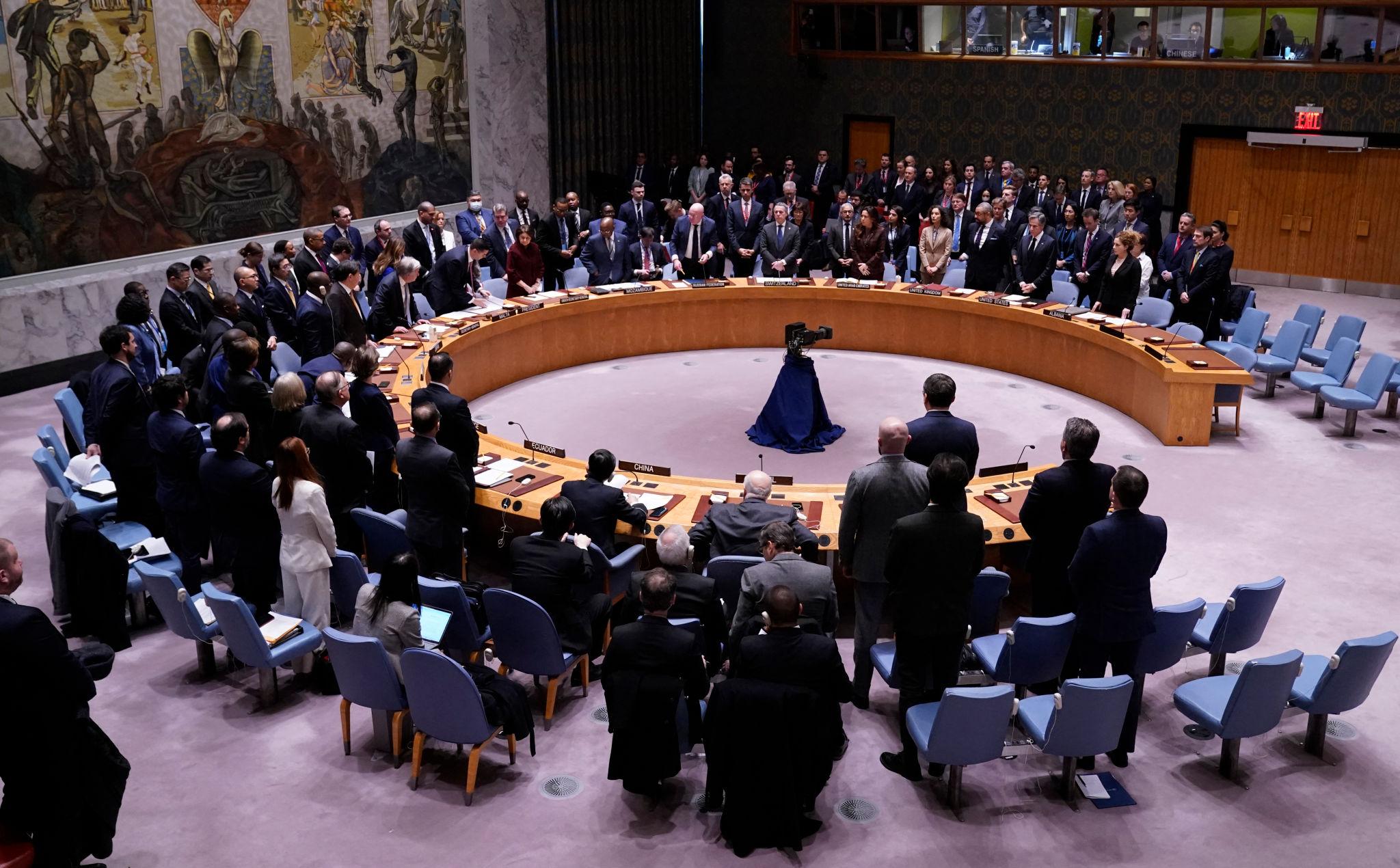
US involvement and geopolitical context
The ceasefire negotiation breakdown has brought renewed focus to the role of the United States in regional affairs. Ghalibaf’s accusations reflect broader tensions between Washington and Tehran.
Geopolitical rivalries and strategic interests continue to shape the environment in which negotiations take place, influencing outcomes and perceptions.
Regional stability at risk
The ceasefire negotiation breakdown raises concerns about the potential for increased instability. Without progress in diplomacy, the risk of further conflict remains significant.
Analysts warn that failed negotiations can lead to heightened uncertainty, affecting not only the immediate parties but also neighboring regions.
International response remains cautious
Global reactions to the ceasefire negotiation breakdown have been measured, with calls for restraint and renewed dialogue.
Diplomatic sources suggest that efforts to revive talks may continue, although rebuilding trust will be a critical challenge.
Historical context of repeated setbacks
The region has experienced multiple instances of failed negotiations, reflecting deep-rooted challenges in achieving lasting agreements.
The ceasefire negotiation breakdown fits into a broader pattern of diplomatic setbacks, highlighting the complexity of resolving conflicts in the area.
Media coverage shapes public perception
The ceasefire negotiation breakdown has received widespread media attention, influencing how the situation is perceived globally.
Public opinion can play a role in shaping political decisions, particularly when tensions are high.
Risks of prolonged diplomatic failure
Experts emphasize that continued failure in negotiations increases the likelihood of miscalculations and unintended escalation.
The ceasefire negotiation breakdown highlights the importance of maintaining dialogue channels to reduce risks.
Human impact behind the headlines
Beyond political considerations, the ceasefire negotiation breakdown has real consequences for people living in affected areas.
Communities facing uncertainty and potential conflict are directly impacted by the success or failure of diplomatic efforts.

Breakdown deepens uncertainty
The ceasefire negotiation breakdown marks a critical moment in regional diplomacy. Accusations, failed talks, and rising tensions have created an uncertain outlook.
As efforts to restore dialogue continue, the focus will remain on whether stakeholders can overcome differences and move toward stability.
For now, the breakdown serves as a reminder of the challenges involved in achieving lasting peace.
