
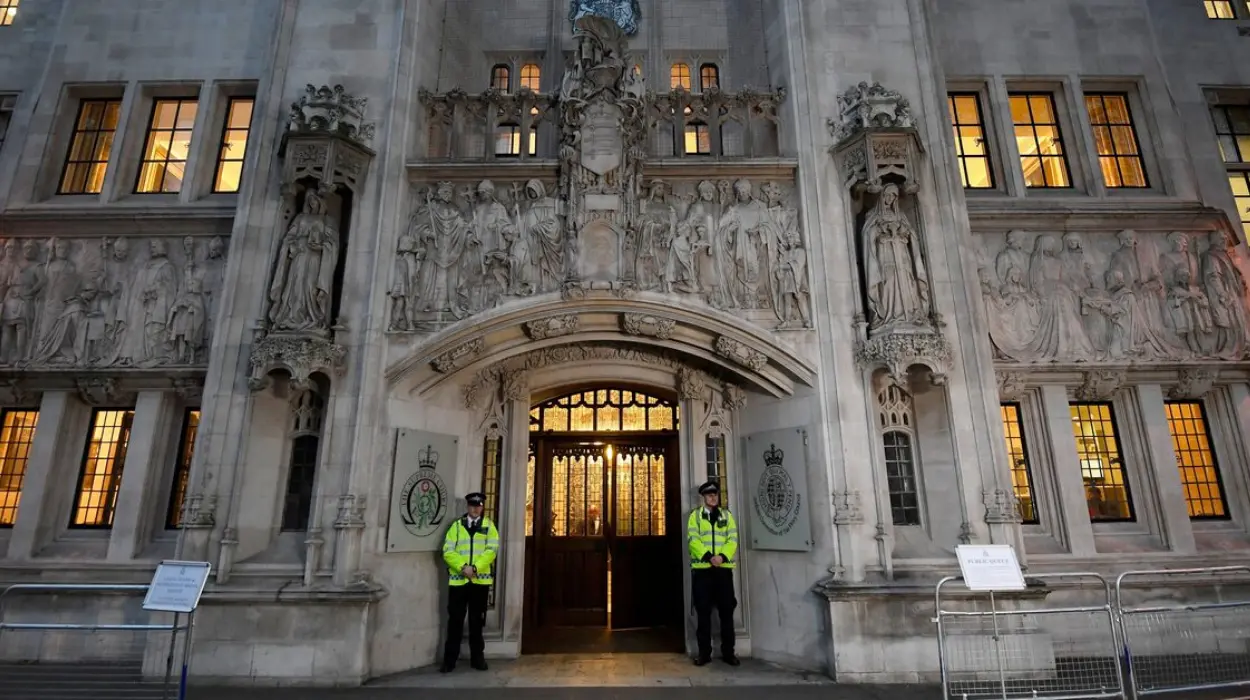
The Supreme Court of the United Kingdom, also called the UK Supreme Court, is the highest court in the country. It is at the top of the legal system. Once the judges of that court make their ruling, that ruling is final. But a question typically arises: can a ruling of the UK Supreme Court be challenged? This guide explains the functions of the United Kingdom Supreme Court, what it means, as well as the challenges to its decisions.
What is the UK Supreme Court?
The UK Supreme Court was created when the House of Lords ceased to be the court of last resort and became the legislative body of the UK in 2009. The UK Supreme Court primarily hears cases where there is an issue of national or constitutional importance. The UK Supreme Court considers appeals from lower courts, like the Court of Appeal in England or Wales or Northern Ireland and the High Court of Justiciary in Scotland. A decision issued by the Supreme Court is precedential, meaning that other courts must apply the same legal principles as the Supreme Court in a future case.
Why Are Supreme Court Decisions Important?
Supreme Court decisions are important for many reasons:
- Final authority: They are the final authorities in the UK legal system.
- National impact: Cases will deal with issues that affect the entirety of the nation (e.g., Brexit, human rights).
- Legal certainty: They assist in resolving inconsistencies in the interpretations of the law.
With this level of importance, it is natural, and these decisions can be challenged.
Can You Appeal a Decision of the UK Supreme Court?
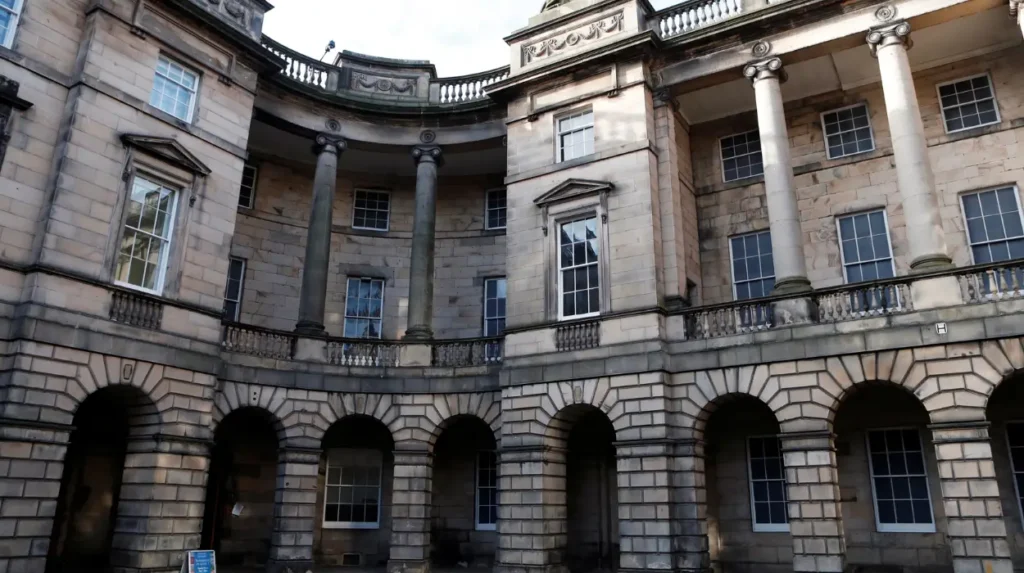
The answer is no, you cannot appeal any decision of the UK Supreme Court to another UK court; it is the highest domestic court. Its decisions are binding. Once the court has handed down a judgment, any legal process within the UK stops. There is no higher court to which you can send an appeal within the UK.
What About the European Court of Human Rights?
The only situation that does not allow for an appeal within the UK but sometimes is possible is a case based on human rights issues, in which case a person can address the issue at the European Court of Human Rights in Strasbourg.
This is not part of the European Union; it is not affected by Brexit. This court hears complaints under the European Convention on Human Rights. The ECHR is not a higher appeal court. It cannot overturn the decision of the Supreme Court. The ECHR can state that there has been a violation of human rights law by the UK and direct the government to change its course of action.
Can parliament overturn the decision of the Supreme Court?
Yes, but not in the way most think! Parliament cannot reverse a single judgment; it can change the law that the Supreme Court relied on when making its decision.
For example:
If the Supreme Court applies the law to the facts of the case, Parliament can re-enact a new law or amend the previous law. This light will not erase the original ruling; it will change what the law means in the future. This illustrates the delicate balance of power: courts interpret the law, and Parliament enacts and amends it.
Can the Supreme Court change its own decisions?
Another interesting question is whether the court itself can test its previously made decisions. The answer is yes, but only sometimes. The Supreme Court can depart from previous decisions with a strong reason to depart. This mainly happens when:
- The earlier decision is dated.
- Changes in societal attitudes, shaped by legislative or social shifts, make an outdated decision no longer appropriate.
- An outdated decision is clearly wrong and leads to injustice.
- This demonstrates that decisions are final; the court acknowledges that some flexibility is often needed.
When have Supreme Court decisions been challenged?
There are numerous examples in history when Supreme Court decisions became contentious or calls were made for changes:
- Miller (2017): The case was a ruling; from the court’s perspective, the government could initiate the Brexit process without approval from Parliament. This was a landmark case, but highly contentious.
- Prorogation (2019): The case ruled that Prime Minister Boris Johnson’s advice to the monarch to suspend Parliament was unlawful. Like Miller, it also showed the courts role in supporting constitutional principles.
In both cases, people did question the outcome, but the decisions in each case remained legally binding within the UK.
Does judicial review apply to the Supreme Court?
Judicial review is a common law process that gives the courts authority to review decisions of public bodies. Notably, judicial review excludes the Supreme Court. There is no other court that can review the decisions of the highest court in the land.
This enhances the idea that Supreme Court decisions are binding and final, and “the only avenues left are the European Convention or Parliament making” new laws.
Why Can’t Supreme Court Decisions Be Challenged Easily?
There are legitimate reasons why the law aims to limit the reasons for challenges:
- Certainty: People need to know when a case is truly at an end.
- Authority: The court provides one final interpretation of the law.
- Efficiency: Endless appeal processes would waste time and resources.
If nothing in law became final, legal processes would not be stable; the rulings of courts, particularly the highest court, at least provide closure.
Can a Supreme Court case be reopened with New Evidence?
A Supreme Court case cannot be reopened on the basis of new evidence. The Supreme Court hears the law as presented in legal arguments, as opposed to new facts.
There may be other legal frameworks if the process identified new evidence that showed a miscarriage of justice in specific criminal cases, such as an application to the Criminal Cases Review Commission, for example. This is extraordinarily rare.
Public Challenge, Debate, and Criticism
Although you cannot appeal, it is not incompatible with public challenge, debate, or criticism of the Supreme Court. Scholars, lawyers, and politicians, as well as the public, will routinely scrutinize the agreed-upon rulings.
Legal academics write articles stating their opinion on whether the judgment was right or wrong. Politicians may create legislation that attempts to alter the effects of decisions. For a democratic society, public debate is the oxygen.
The Role of Human Rights
Human rights law complicates this question. The Supreme Court of the United Kingdom interprets the Human Rights Act 1998, which incorporates the European Convention into domestic law.
If a person feels that the response of the Supreme Court was still insufficient, they can bring their case to the European Court of Human Rights. This means that a person can still have their human rights considered and upheld after a Supreme Court decision has been made.
Practical Guidance for Appeals and Challenges
If you wanted to challenge a Supreme Court decision, your options are very limited. Here are the main possibilities:
- You can go to the European Court of Human Rights if human rights were an issue.
- You can lobby parliament for a change in the law if the issue is wide enough.
- You can advocate for change in the law by campaigning, writing about the need for change in the academy, or public debating.
- You cannot make a direct appeal against the Supreme Court itself.