
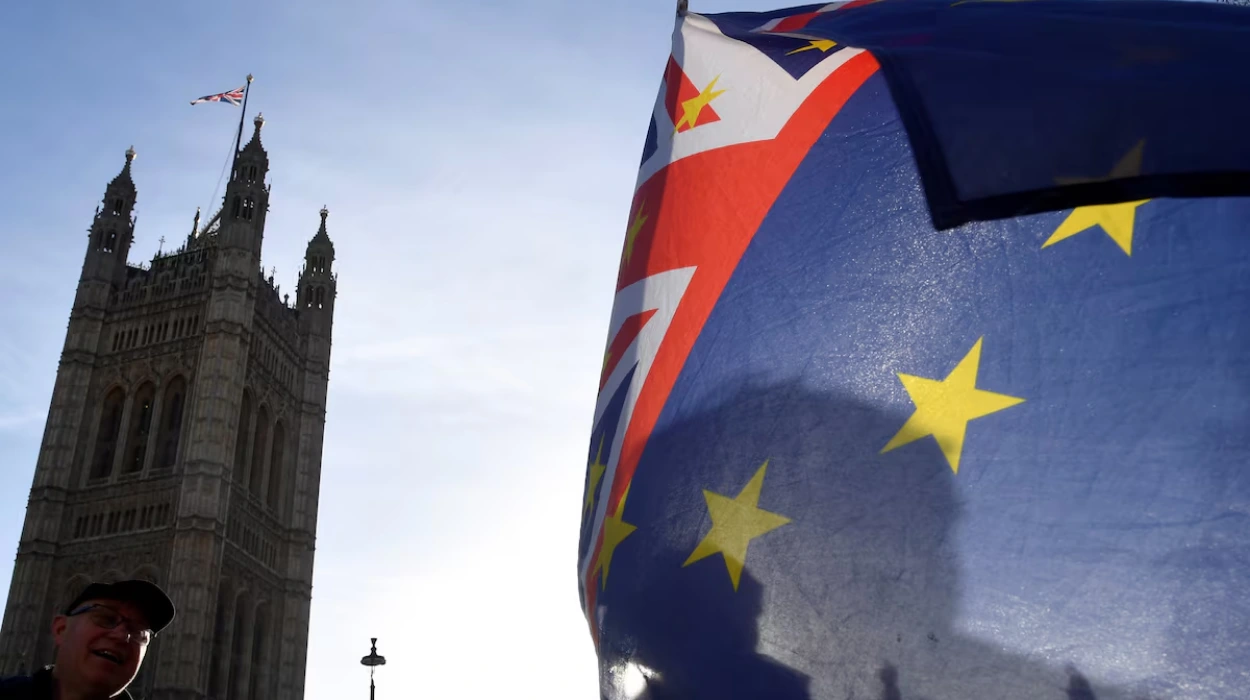
Brexit negotiations were lengthy, complicated, and confusing. One of the most debated proposals was the Chequers Plan proposed by the Prime Minister Theresa May in July 2018. The Chequers Plan was meant to outline the United Kingdom’s vision for its future relationship with the European Union after leaving. After the proposal was announced, issues arose concerning the Northern Ireland question of how it envisioned the proposal would treat the Irish backstop.
In this article, we will explain the Chequers Plan, understand what the Irish backstop means, and provide an answer to the most important question: Was it part of the Chequers Plan?
What Was the Chequers Plan?
The Chequers Plan is named after Chequers, the Prime Minister’s country house; it was agreed upon with the whole UK Cabinet in July 2018. The Chequers Plan was basically Theresa May’s vision of how the UK would trade with and cooperate with the EU after Brexit. There were main aims of the Chequers Plan:
- To maintain close trading with the EU, especially for goods.
- To maintain no hard border between Northern Ireland and the Republic of Ireland.
- To allow the UK to depart from the EU single market and customs union but with a “common rulebook” with the EU.
- To allow the UK the freedom to negotiate independent trade deals but still with some EU rules pertaining to goods and food products.
It was a compromise proposal that attempted to satisfy the desires of Brexit proponents for independence with the need to protect trade and peace in Northern Ireland.
Why Northern Ireland Was Important
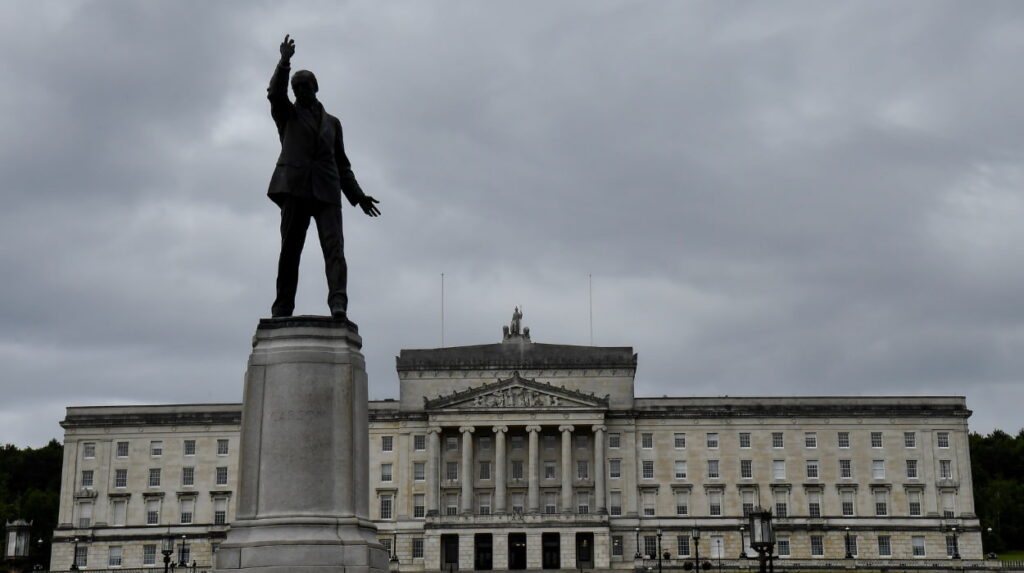
Northern Ireland was a crucial aspect of Brexit negotiations. Both the UK and the EU had agreed that Brexit should not lead to the establishment of a hard border between Northern Ireland (part of the UK) and the Republic of Ireland (an EU member state).
A hard border would involve implementation of a border with checkpoints, inspections, and barriers to trade. This gave rise to two serious concerns:
- Economic loss from disruption: The economies of Northern Ireland and Ireland are highly intertwined. The introduction of border checks would slow down goods and be detrimental to businesses.
- Threat to Peace Process: The signing of the 1998 Good Friday Agreement ended decades of violence in Northern Ireland by removing the need for a visible border. A hard border would fundamentally change this arrangement and open up the potential for older tensions to re-ignite.
As a consequence of these risks, the EU also asked for a guarantee if there was no other way forward: that “there needed to be a backstop.”
What was the Irish backstop?
The Irish backstop was a safety net to guarantee no hard border in any case (if the UK and EU could not agree on a future trade agreement that avoided border checks, the backstop would automatically apply). The main components of the backstop are:
- Northern Ireland would abide by many EU regulations on goods and customs.
- The whole UK would remain in a customs regime with the EU until another solution was found.
- The backstop could not be removed unilaterally by the UK.
- Critics said that this tied the UK to using EU rules indefinitely. Supporters argued that it was the only way to protect trade and peace in Ireland.
Did the Chequers plan contain the backstop?
The answer is no; the Chequers Plan does not refer to the Irish backstop but attempts to find an alternative. The Chequers plan proposes a common rulebook for goods between the UK and the EU, meaning both sides would agree on common standards for food and manufactured goods.
A facilitated customs arrangement. Under this arrangement, the UK would charge goods coming into the UK tariffs on behalf of the EU if the goods traveling from the UK were destined for Europe. The intention was to eliminate border checks, including in Ireland. The UK believed that if the rules and customs procedures were aligned, then there would be no need for a separate backstop. The EU was not convinced. Brussels considered the Chequers Plan to be complex and untested and would have provided the UK with an unfair competitive advantage.
Why the EU rejected the Chequers Plan
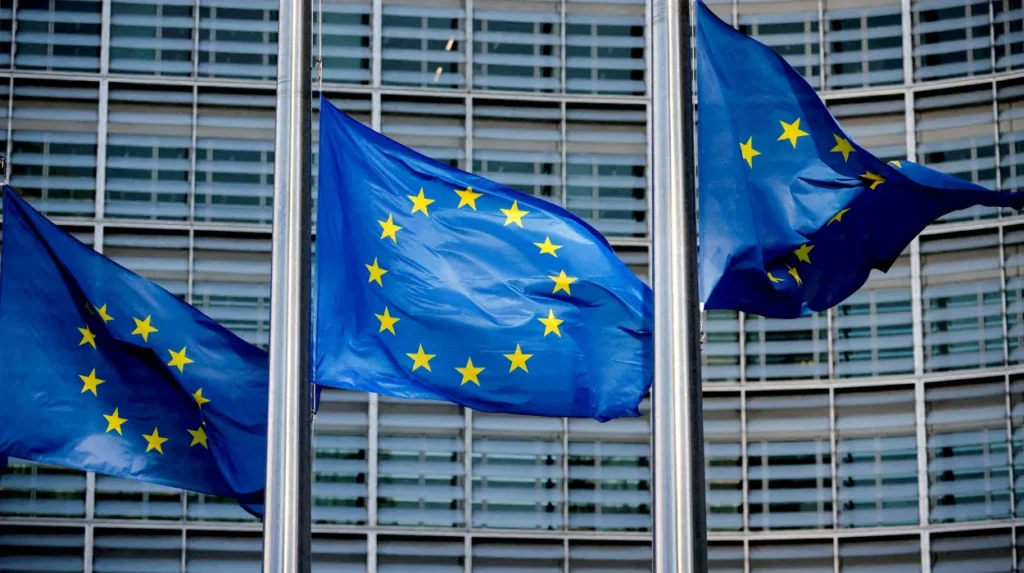
The EU found elements of the Chequers Plan acceptable but could not endorse the complete package. The reasons were simple:
- Cherry-picking Issue: The EU stated that the UK could select which parts of the single market to abide by.
- Customs Doubts: The “facilitated customs arrangement” was unrealistic and unnecessarily complicated as part of a withdrawal agreement.
- Absence of Backstop: Most crucially, the Chequers Plan could not propose a legally binding guarantee comparable to the backstop.
As a result, the EU insisted that the backstop remain an integral part of any withdrawal agreement.
Reactions within the UK
The Chequers Plan caused deep divisions within the UK government and Parliament.
- Brexiteers argued it was “Brexit in name only” because the UK would still have to adhere to much of EU legislation.
- Remain supporters argued it was too weak and still threatened the economy.
- The DUP (Democratic Unionist Party) opposed anything that would treat Northern Ireland differently than the rest of the UK.
- Following high-profile resignations, most notably, Brexit Secretary David Davis and Foreign Secretary Boris Johnson resigned in protest, claiming that the plan was a betrayal of the Brexit vote.
The Chequers Plan and the Backstop Debate
The Chequers Plan was devised in a bid to avoid the Irish backstop and was an alternative option. Once the EU rejected the Chequers Plan, the backstop formed part of future withdrawal agreements.
Theresa May’s government negotiated a withdrawal agreement that contained the backstop. This deal was rejected three times by the House of Commons largely due to opposition to the backstop. This impasse eventually culminated in Theresa May’s resignation in 2019 and the appointment of Boris Johnson as prime minister.
What happened after the Chequers Plan?
When Boris Johnson took the role of Prime Minister, he pledged to “get Brexit done.” He proceeded to renegotiate the withdrawal agreement and replace the backstop with the Northern Ireland Protocol. The protocol caused Northern Ireland to remain closer to EU rules to avoid checks in Ireland but created checks on goods traveling from Northern Ireland to Great Britain. That was highly contentious and continues to be a topic of heated debate.
With hindsight, the Chequers Plan failed to persuade its targets because it wanted to refer to both but pleased neither. It sidestepped the word “backstop” but could not sidestep the requirement for a solution to the Irish border issue.
Was the Irish backstop included in the Chequers Plan? No, it did not exist. The Chequers Plan was Theresa May’s attempt to avoid the backstop by suggesting a common rulebook with a customs partnership, and the EU did not accept it. The backstop debate re-emerged as the focus of Brexit politics.
The Chequers Plan will stand as a reminder of how complicated Brexit was, particularly the issue of Northern Ireland and the Republic; it was an ambitious plan that was ultimately unworkable. It removed any need for an Irish backstop; it ultimately required a stronger guarantee because the EU required it.
Brexit may have officially completed, but the legacy of the Chequers Plan and the Irish backstop continues to have a bearing on discussions relating to the UK, Ireland, and the EU today.
