

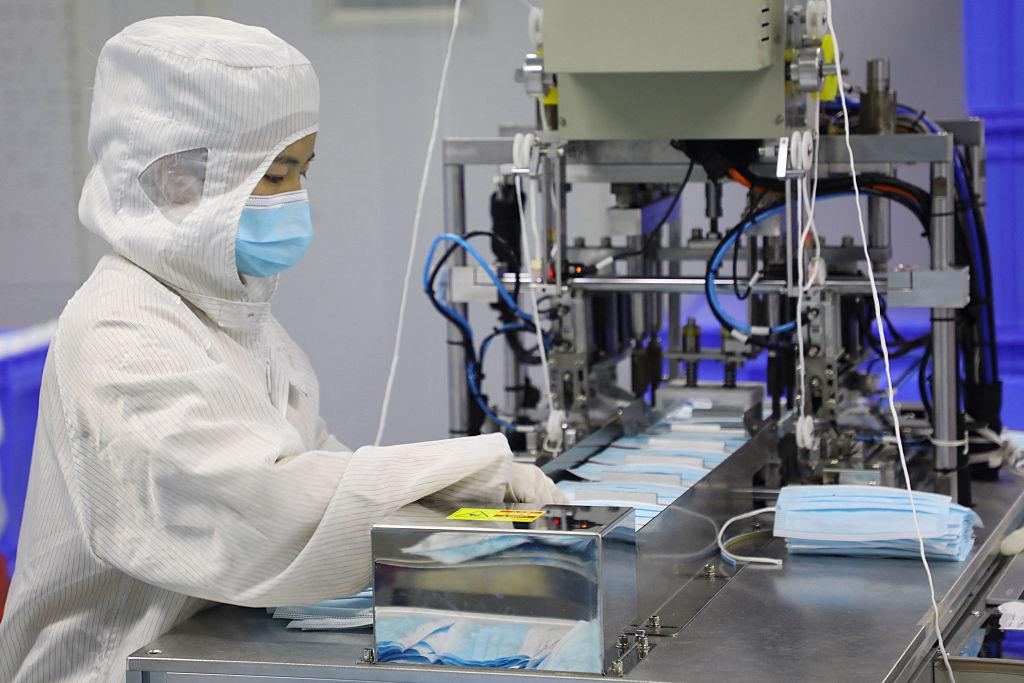
Beijing, China (Parliament Politics Magazine) China economic recovery accelerated during April as stronger export activity, improved industrial production, and rising trade figures signaled renewed momentum in the world’s second-largest economy. Fresh customs data released Friday showed overseas shipments climbed beyond analyst expectations while China’s trade surplus widened sharply ahead of important diplomatic and trade discussions involving the United States.
The latest figures strengthened confidence that Beijing’s manufacturing sector remains resilient despite ongoing geopolitical tensions, tariff uncertainty, and slowing growth concerns affecting several global markets.
Economists said the stronger numbers could provide Chinese policymakers with greater flexibility as they continue balancing domestic economic stabilization with international trade pressure throughout 2026.
“China’s latest trade performance shows that industrial demand remains stronger than many investors expected,”
one Asia-Pacific economist said.
China Economic Recovery 2026
- Country: China
- City: Beijing
- Date: May 9, 2026
- Main Topic: China economic recovery
- Key Development: Chinese exports rebounded strongly in April 2026
- Trade Impact: Trade surplus widened beyond expectations
- Strongest Sectors: Electronics, EVs, machinery, renewable energy
- Economic Signal: Manufacturing activity continued stabilizing
- Investor Focus: US-China trade policy and tariff discussions
- Market Reaction: Positive sentiment across Asian manufacturing sectors
- Global Concern: Supply chain stability and geopolitical tensions
- Key Economic Driver: Export growth and industrial production
- Policy Watch: Future Chinese stimulus and trade negotiations
- International Impact: Higher influence on commodities and shipping markets
- 2026 Outlook: Continued monitoring of China’s recovery momentum and trade growth
Export Growth Supports Investor Confidence
The latest customs figures showed that Chinese exports rebounded significantly during April, driven by stronger demand for electronics, industrial equipment, electric vehicle technology, and renewable energy products.
The improving export environment has become a major factor supporting the broader China economic recovery narrative during 2026. Several manufacturing regions reportedly experienced increased shipping volumes and stronger international order activity throughout the month.
Investors viewed the stronger export performance as a positive sign for global manufacturing demand after months of uncertainty tied to tariffs, geopolitical conflicts, and supply chain adjustments.
Technology products, industrial machinery, batteries, and consumer goods remained among the strongest-performing export categories during the latest reporting period.
Manufacturing Sector Continues Stabilizing
The expanding China economic recovery is also being supported by improving factory conditions and stronger industrial output across key production centers.
Chinese authorities have spent years investing in infrastructure modernization, semiconductor development, and advanced manufacturing initiatives aimed at strengthening long-term economic competitiveness.
Factory activity connected to electric vehicles, telecommunications equipment, automation systems, and renewable energy infrastructure reportedly remained particularly strong during April.
Some analysts believe international businesses continue relying heavily on Chinese manufacturing because of established supply chains, lower production costs, and large-scale industrial capabilities.
“China still plays a central role in global manufacturing despite efforts to diversify supply chains,”
a global trade analyst stated.
Trade Surplus Widens During April
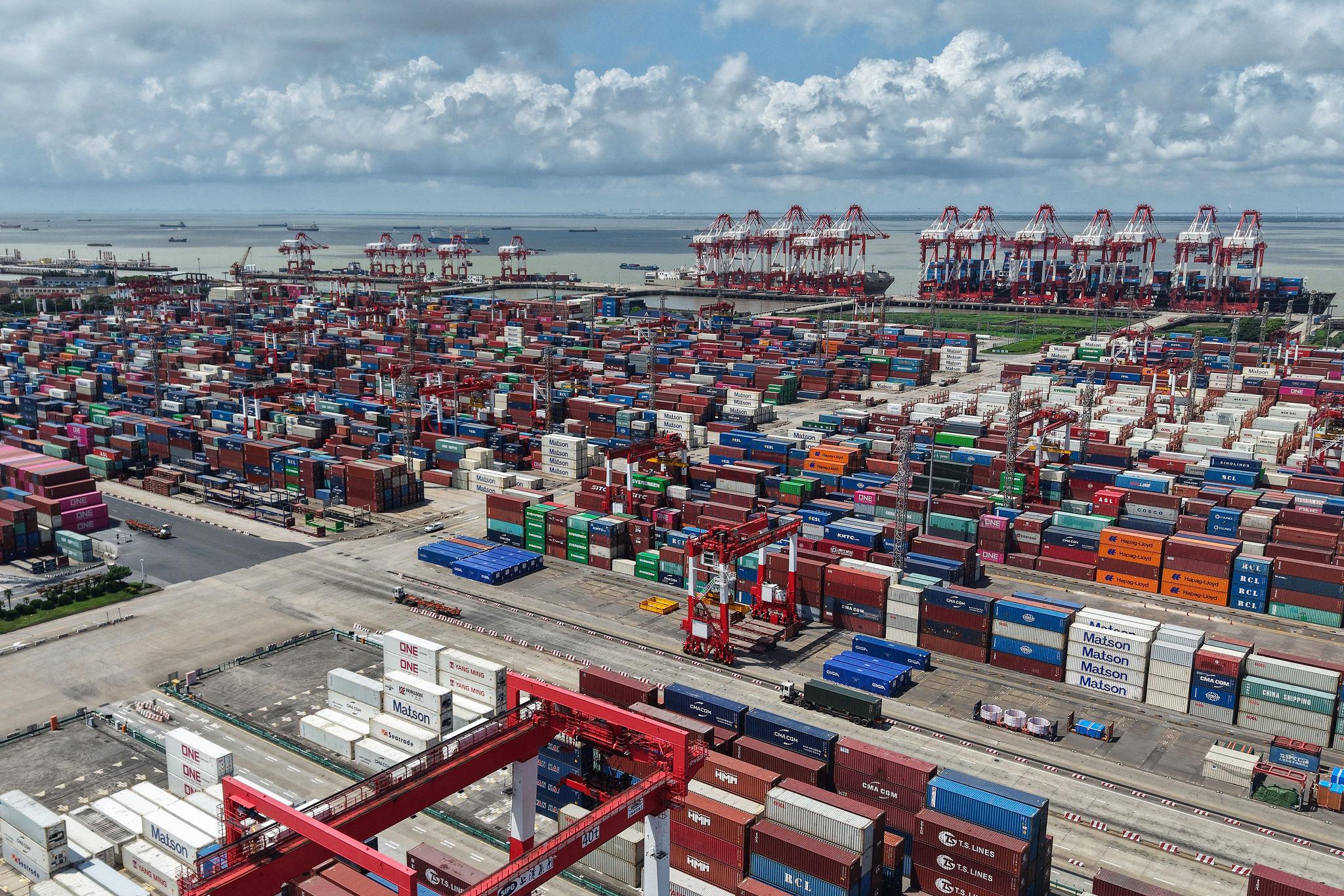
The stronger export environment allowed China’s trade surplus to expand further during April as imports remained relatively controlled compared to outbound shipment growth.
The widening surplus added additional momentum to the broader China economic recovery story while also attracting renewed attention from international policymakers monitoring global trade balances.
Several Western governments have previously expressed concerns regarding manufacturing concentration and trade imbalances tied to Chinese industrial exports.
At the same time, economists noted that stronger export revenues may help stabilize employment conditions and manufacturing investment throughout China during the remainder of 2026.
Currency traders and commodity investors also monitored the trade data closely due to China’s influence on global industrial demand and shipping activity.
History of China’s Economic Slowdown and Recovery Efforts
The current China economic recovery follows several years of economic pressure caused by pandemic disruptions, property sector instability, international tariffs, and slower consumer spending.
During the early 2020s, China faced multiple economic challenges tied to declining real estate activity, weaker domestic demand, and increasing geopolitical tensions involving the United States and Europe.
In response, Beijing introduced various stimulus measures focused on infrastructure spending, industrial development, manufacturing support, and technology investment.
Chinese policymakers also prioritized long-term industrial independence through expanded semiconductor production, renewable energy investment, and artificial intelligence infrastructure programs.
Analysts say these initiatives are now contributing to improved manufacturing resilience and stronger export competitiveness.
Global Markets Closely Monitor Beijing
Financial markets worldwide continue watching developments tied to the China economic recovery because of the country’s enormous influence on commodities, trade flows, shipping demand, and manufacturing supply chains.
Stronger Chinese economic performance often supports higher demand for industrial materials such as copper, steel, aluminum, and energy products.
Shipping companies, semiconductor manufacturers, and industrial firms also reacted positively to the latest trade data.
However, investors remain cautious due to ongoing geopolitical uncertainty involving tariffs, export restrictions, cybersecurity concerns, and broader US-China economic competition.
Several economists warned that external political developments could still impact long-term recovery momentum later in 2026.
“Global investors understand that China’s economy remains deeply connected to worldwide industrial growth,”
one international market strategist said.
US-China Relations Remain a Key Economic Factor
The broader China economic recovery may also depend heavily on future diplomatic and trade discussions between Beijing and Washington.
Trade tensions between the two countries have shaped global economic conditions for nearly a decade, influencing tariffs, manufacturing strategies, and technology supply chains.
The latest trade data arrived ahead of anticipated international political discussions involving former US President Donald Trump, increasing speculation surrounding future tariff policies and trade negotiations.
Investors remain sensitive to any signal involving semiconductor restrictions, manufacturing competition, or export controls tied to US-China relations.
Despite these concerns, Chinese manufacturers continue demonstrating strong export capabilities across multiple industries.
What Comes Next for China’s Economy?
Economists expect policymakers in Beijing to continue supporting industrial growth and export activity throughout the second half of 2026.
The expanding China economic recovery is likely to remain one of the most closely watched global economic stories as investors evaluate future manufacturing demand, geopolitical risks, and international trade developments.
Many analysts believe China’s economy could outperform earlier forecasts if export growth remains stable and domestic industrial investment continues improving.
However, future recovery conditions may still depend on global consumer demand, energy costs, inflation trends, and international political stability.
For now, the latest trade and manufacturing data suggest China’s industrial sector remains resilient despite ongoing economic and geopolitical pressure.
Quick Takeaway
China’s latest export and manufacturing figures showed stronger-than-expected momentum during April 2026, reinforcing signs that industrial activity and trade performance continue stabilizing. While geopolitical risks and tariff concerns remain major challenges, the broader China economic recovery appears to be gaining traction as manufacturing output, exports, and investor confidence improve.