

Beijing, China January 2026 – parliament news highlights a defining moment in global energy evolution as China energy milestones in power generation, grid expansion and clean technology reshape the direction of the world’s largest energy system and reinforce Beijing’s long-term strategic priorities.
A Turning Point in the Global Energy Landscape
The year 2026 stands out as a pivotal chapter in the global energy transition, not because of a single breakthrough, but due to the combined weight of policy, investment, and industrial coordination. Nowhere is this more evident than in China, where energy decisions influence markets, emissions trajectories, and technology costs worldwide.
At the center of this transformation are China energy milestones that reflect a shift from expansion-driven growth toward system-level optimization. The emphasis has moved beyond building capacity to integrating generation, transmission, storage, and consumption into a resilient and efficient whole.
Power Generation Expands With Strategic Balance
China’s electricity generation portfolio in 2026 continued to grow, but with a clearer emphasis on balance. Renewable additions dominated new capacity, while conventional power sources were increasingly positioned as stability anchors rather than growth drivers.
This recalibration reinforced China energy milestones, ensuring that supply security remained intact even as cleaner sources gained prominence. The approach reflects lessons learned from earlier growth cycles, where rapid expansion sometimes outpaced infrastructure readiness.
Renewables Shift From Scale to System Integration
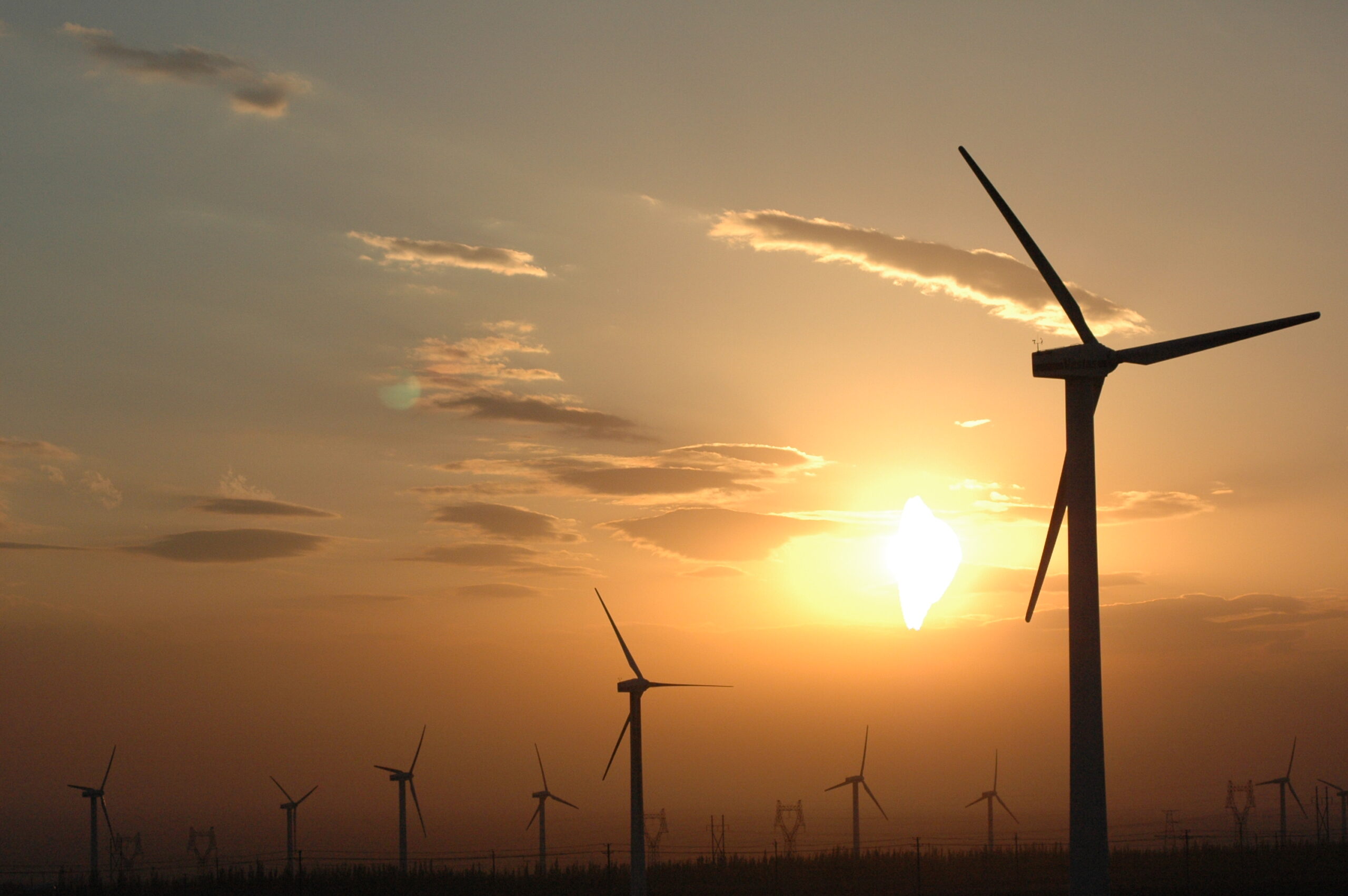
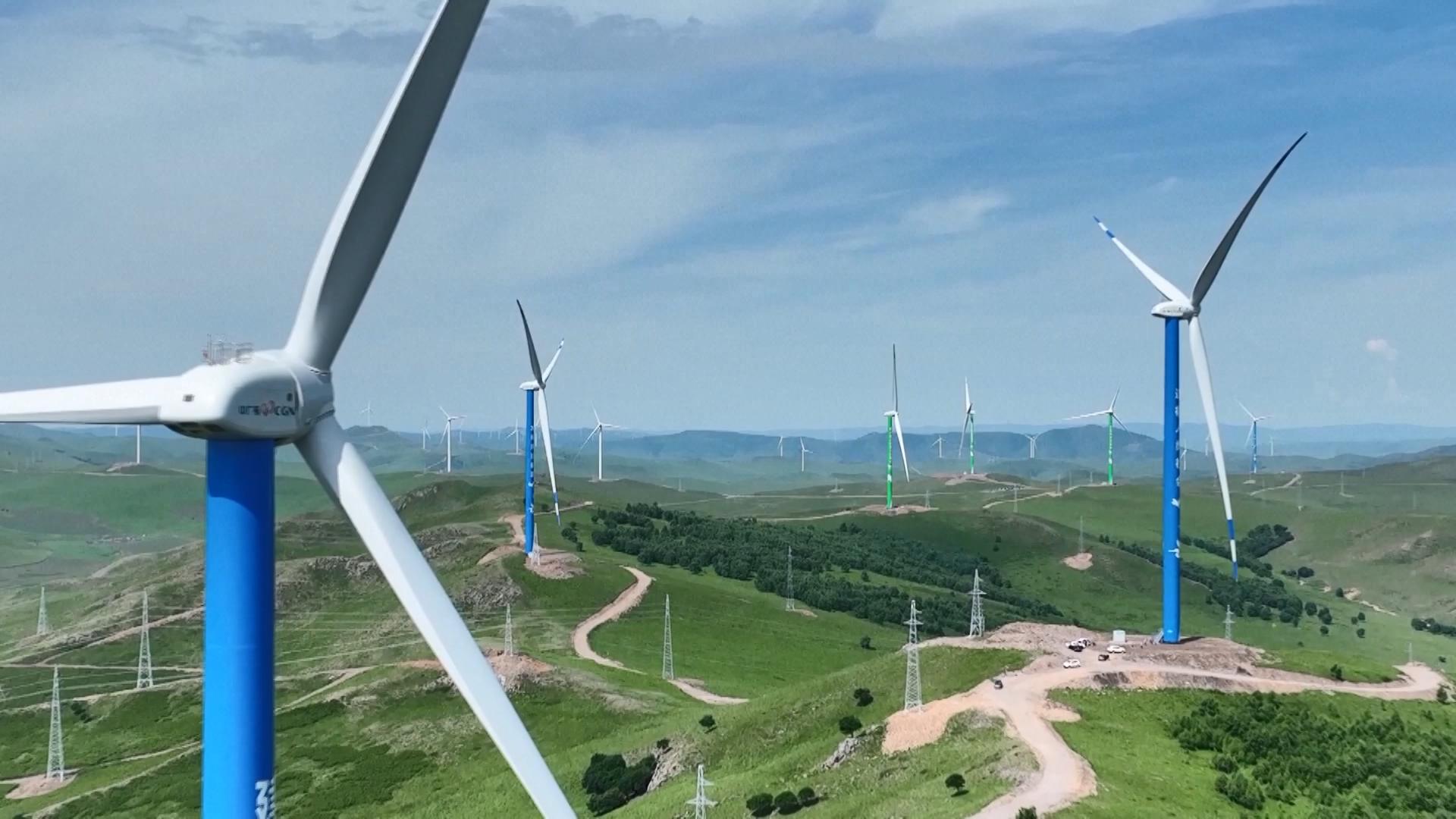
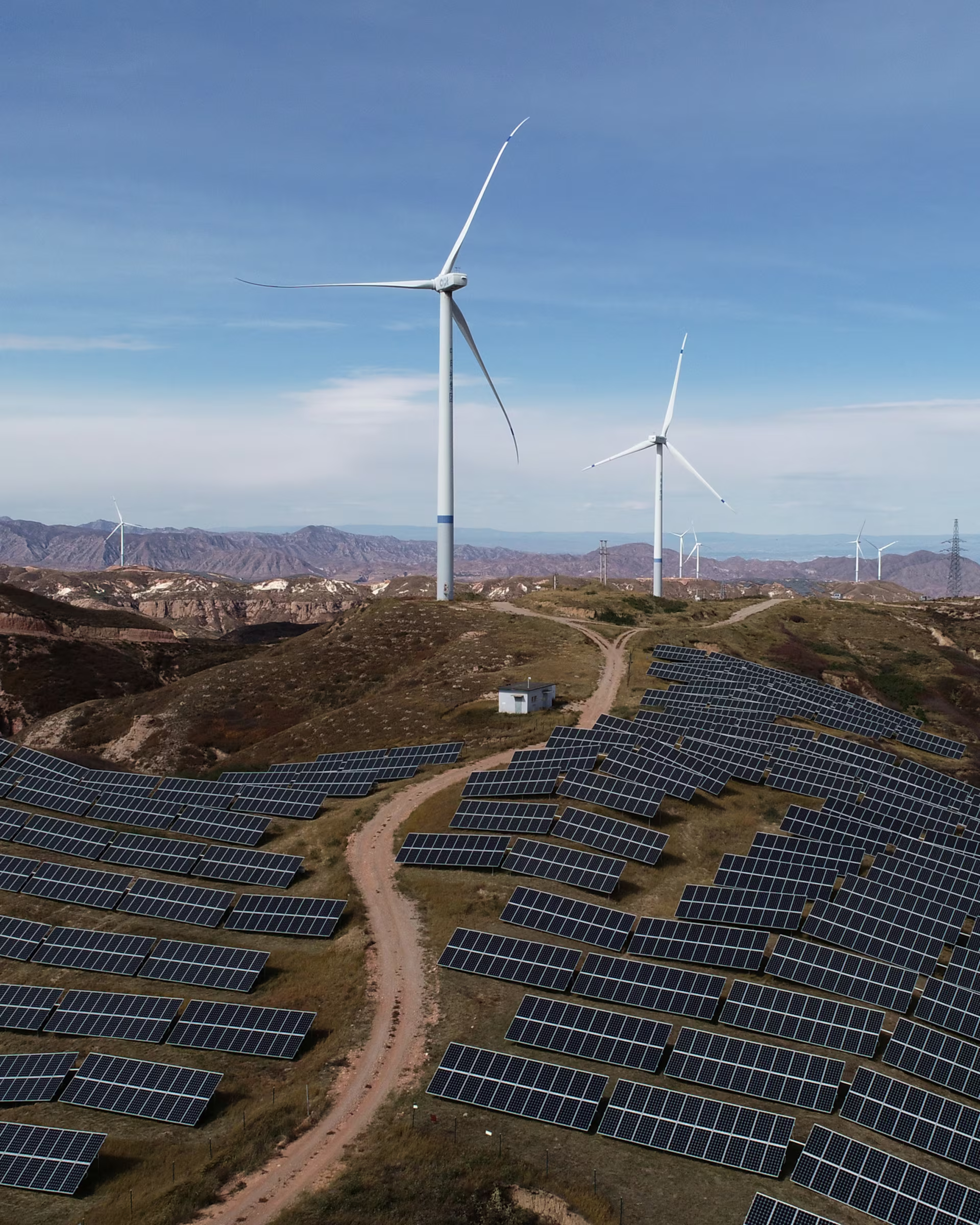
Solar and wind power reached unprecedented levels of deployment, but the defining feature of 2026 was not volume alone. Greater attention was placed on how renewable assets interact with the wider grid.
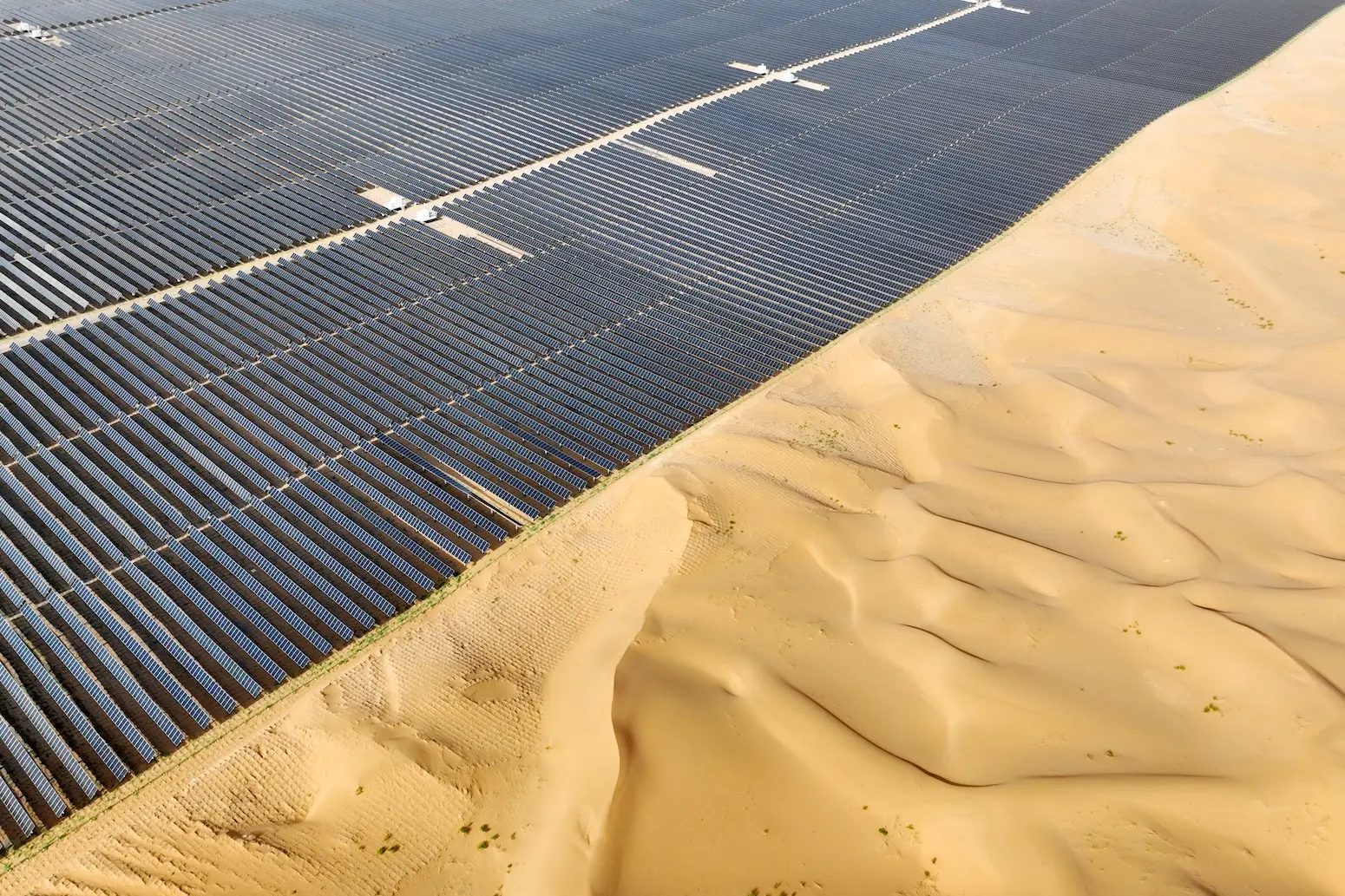
Large desert solar bases, offshore wind clusters, and hybrid projects combining generation with storage became symbols of China energy milestones that prioritize efficiency and reliability alongside sustainability.
Transmission Networks Redefine National Power Flow
A cornerstone of progress in 2026 was the continued expansion of ultra-high-voltage transmission networks. These corridors enabled electricity to move seamlessly from renewable-rich regions to major industrial and urban centers.
Transmission investment strengthened China energy milestones by reducing curtailment, stabilizing regional supply imbalances, and supporting economic development across provinces with differing resource profiles.
Energy Storage Becomes a Structural Asset
Energy storage evolved from a supporting technology into a structural component of the power system. Battery installations, pumped hydro projects, and emerging long-duration storage facilities were increasingly deployed at scale.
The integration of storage reinforced China energy milestones, enabling higher renewable penetration while maintaining grid stability during periods of fluctuating demand and supply.
Clean Technology Manufacturing Shapes Global Markets
China’s clean technology manufacturing sector remained a dominant force in 2026. Production of solar modules, wind components, batteries, and electric vehicles continued to benefit from economies of scale and process innovation.
This industrial strength amplified China energy milestones, as domestic progress translated into lower global technology costs and faster adoption in emerging markets.
Electrification of Transport and Industry
Transport electrification accelerated across passenger vehicles, public transit, and commercial fleets. Industrial electrification also gained momentum, supported by cleaner power supply and efficiency improvements.
These trends complemented China energy milestones, aligning end-use consumption with cleaner generation and reinforcing emissions reduction goals across multiple sectors.
Policy Coordination and Market Reform
Energy progress in 2026 was underpinned by policy alignment across national and provincial levels. Regulatory reforms encouraged private investment, while market mechanisms improved price signals and system responsiveness.
This coordination ensured that China energy milestones were embedded within a coherent long-term framework rather than dependent on short-term incentives.
Managing Coal While Expanding Clean Power
Coal continued to play a role in energy security, particularly during peak demand and extreme weather events. However, its function increasingly shifted toward backup capacity rather than baseline growth.
Balancing coal reduction with reliability became an important dimension of China energy milestones, illustrating the complexity of managing transition at scale.
Digitalization and Smart Energy Systems
Digital technologies played a growing role in forecasting, grid management, and demand response. Artificial intelligence and advanced analytics improved operational efficiency and reduced system losses.
Digital progress strengthened China energy milestones, enabling smarter coordination between generation, storage, and consumption across an increasingly complex network.
Global Implications of China’s Energy Direction
China’s energy trajectory carries global significance. Equipment pricing, supply chains, and climate commitments in many countries are influenced by decisions made in Beijing.
As China energy milestones reshape domestic systems, they also redefine expectations for how quickly large economies can transition toward cleaner energy.
Investor Confidence and Long-Term Signals
Energy investment patterns in 2026 reflected growing confidence in long-term policy stability. Capital increasingly flowed toward renewables, grids, storage, and clean manufacturing.
For investors, China energy milestones signaled predictability, scale, and sustained opportunity in sectors aligned with national priorities.
Environmental and Social Dimensions
Beyond economics, energy progress in 2026 carried environmental and social implications. Air quality improvements, reduced emissions, and new employment opportunities reinforced public support for transition efforts.
These outcomes strengthened the broader narrative surrounding China energy milestones, linking energy policy with quality of life and social stability.
The New Energy Equation
A senior energy policy adviser said,
“The significance of this transition lies not only in capacity numbers, but in the system’s ability to operate cleanly, securely, and efficiently at scale.”
Challenges That Remain
Despite progress, challenges persist. Grid congestion, regional disparities, resource constraints, and technology integration require continuous attention.
Addressing these issues will be essential to sustaining China energy milestones beyond 2026 and ensuring that gains translate into durable outcomes.
Outlook Beyond the Current Year
Looking ahead, China’s energy strategy is expected to emphasize quality over quantity. Hydrogen, next-generation storage, advanced nuclear, and deeper digital integration are emerging priorities.
The groundwork laid by China energy milestones in 2026 positions the country to pursue deeper structural transformation in the years ahead.
When Scale Meets Strategy
China’s experience demonstrates how scale, when matched with strategic coordination, can accelerate energy transformation. Few countries possess the institutional capacity to align policy, industry, and infrastructure so tightly.
This alignment defines the lasting significance of China energy milestones, offering lessons for other nations navigating complex transitions.
A System Redefined by Purpose
The energy developments of 2026 reflect a system increasingly guided by purpose rather than momentum. Decisions are shaped by long-term resilience, environmental responsibility, and technological leadership.
In this context, China energy milestones represent not an endpoint, but a foundation for the next phase of global energy evolution.
The Quiet Redesign of Energy Leadership
China’s transformation is unfolding not through sudden disruption, but through sustained, coordinated change. The result is a quiet redesign of energy leadership at a scale unmatched elsewhere.
As 2026 draws attention worldwide, China energy milestones stand as evidence that structural energy change is no longer theoretical, but operational.