


SINGAPORE (Parliament Politics Magazine) China regional influence continues to grow throughout Asia as governments respond to changing geopolitical realities, expanding economic ties, and evolving security concerns. Across the Indo-Pacific region, policymakers are increasingly assessing how China’s economic strength and diplomatic outreach are affecting regional stability, trade relationships, and long-term strategic planning.
The expansion of China regional influence has become one of the defining stories shaping Asia’s future. As China strengthens its position through investment, technology, manufacturing, and international partnerships, neighboring countries are seeking to balance economic opportunities with national interests.
Economic cooperation remains a central driver behind China’s growing role. China continues serving as a major trading partner for many countries throughout Asia, creating extensive commercial networks that connect businesses, supply chains, and consumers. These relationships have deepened over the past decade and continue expanding as regional economies become increasingly interconnected.
The growth of China regional influence is evident in sectors ranging from manufacturing and technology to energy and infrastructure. Governments throughout Asia continue attracting Chinese investment while seeking access to one of the world’s largest consumer markets. These economic relationships are helping shape development strategies and long-term growth plans across the region.
“Economic influence often creates lasting partnerships that extend far beyond trade alone.”
Infrastructure Projects Strengthen Regional Connectivity
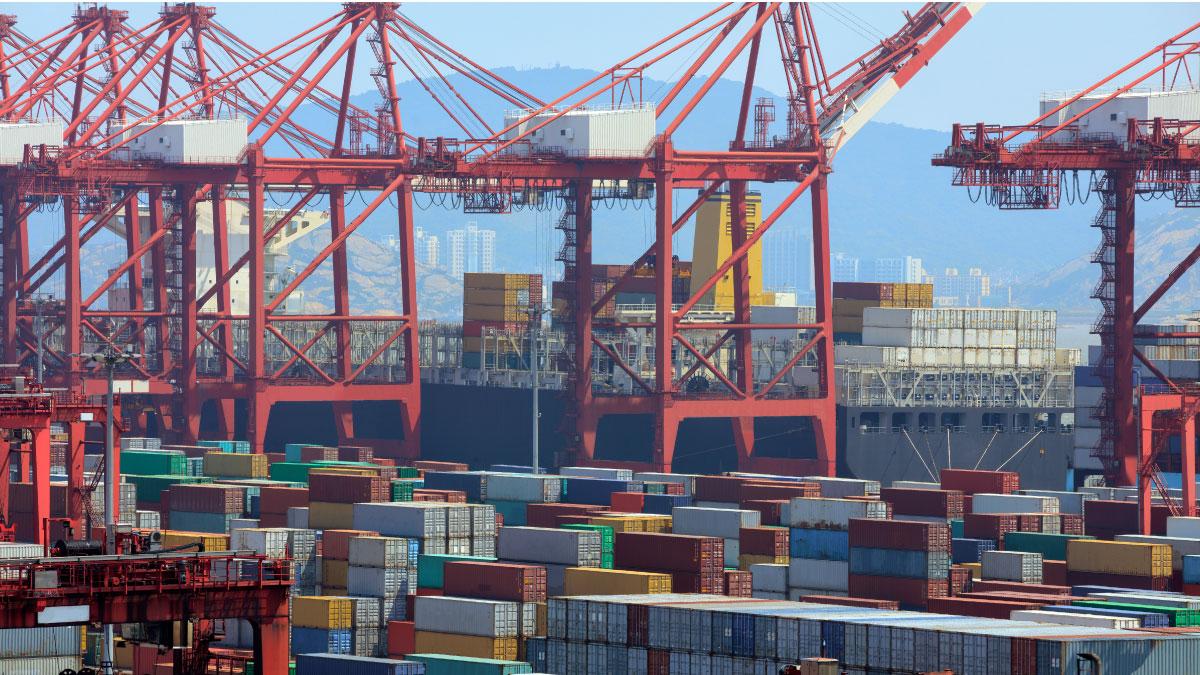
Infrastructure development has become another important component of China regional influence. Major transportation projects, logistics corridors, energy facilities, and port developments have expanded throughout various parts of Asia.
Supporters argue that these projects improve connectivity, boost trade efficiency, and create new opportunities for economic growth. Improved transportation networks can reduce costs, increase market access, and encourage investment in developing economies.
The expansion of China regional influence through infrastructure initiatives has also increased China’s visibility throughout the region. New projects often become symbols of economic cooperation and long-term strategic engagement.
At the same time, governments continue evaluating the benefits and challenges associated with major infrastructure investments. Policymakers increasingly focus on ensuring projects support sustainable economic development while preserving national priorities.
Diplomatic Engagement Continues Growing
Diplomatic outreach has become another significant aspect of China regional influence. Chinese leaders have expanded engagement through bilateral meetings, regional forums, and multilateral initiatives designed to strengthen cooperation.
These efforts have helped China establish stronger relationships with countries throughout Asia while increasing its role in regional discussions involving trade, technology, climate policy, and development.
The growth of China regional influence is increasingly visible in diplomatic conversations where Beijing plays an active role in addressing economic and strategic issues affecting the region.
Analysts note that diplomatic engagement often complements economic cooperation by creating additional channels for communication and partnership.
“Diplomacy and economic cooperation frequently work together to expand international influence.”
Technology Becomes a New Area of Competition
Technology has emerged as a critical factor shaping China regional influence. Chinese companies continue expanding their presence in telecommunications, artificial intelligence, renewable energy, digital commerce, and advanced manufacturing.
Many governments view technological development as essential to future economic competitiveness. As a result, partnerships involving innovation and digital infrastructure have become increasingly important.
The growing role of technology has elevated China regional influence beyond traditional trade relationships. Digital networks, research partnerships, and emerging technologies now play an important role in regional development strategies.
Experts believe technological leadership will remain one of the most important factors determining future influence throughout Asia.
Security Considerations Remain Important
While economic cooperation continues expanding, security considerations remain part of the broader discussion surrounding China regional influence.
Countries throughout the Indo-Pacific continue strengthening defense cooperation, improving maritime security capabilities, and expanding regional partnerships. These actions reflect efforts to maintain stability while adapting to a changing strategic environment.
Many governments emphasize that engagement and preparedness are not mutually exclusive. Instead, policymakers often pursue strategies designed to support economic cooperation while protecting national interests.
The evolution of China regional influence has encouraged regional leaders to seek greater flexibility in managing both economic and security priorities.
Southeast Asia Emerges as a Strategic Center
Southeast Asia remains one of the most important regions affected by China regional influence. Nations throughout the area maintain extensive trade and investment relationships with China while preserving ties with other major global powers.
The region’s strategic location makes it particularly important for international commerce, maritime transportation, and geopolitical competition.
As economic activity continues growing, Southeast Asian governments are working to maximize opportunities while maintaining strategic independence. This balancing approach reflects the complexity of modern regional diplomacy.
The continued expansion of China regional influence ensures that Southeast Asia will remain a key focus of international attention throughout 2026 and beyond.
“Regional governments increasingly seek cooperation without sacrificing strategic flexibility.”
Historical Factors Continue Shaping Modern Relationships
China’s current position reflects decades of economic transformation, industrial growth, and integration into global markets. Reforms implemented over previous decades helped create the foundation for today’s economic strength and international influence.
As China’s economy expanded, so did its ability to participate in regional development initiatives, trade agreements, and diplomatic engagement. These long-term trends continue shaping modern relationships throughout Asia.
Understanding this historical context helps explain why China regional influence has become such a significant factor in contemporary regional affairs.
Future Outlook for Asia
The future trajectory of China regional influence will likely depend on economic performance, diplomatic engagement, technological innovation, and broader geopolitical developments.
Many analysts expect China to remain a central player in regional affairs due to its economic scale, extensive trade relationships, and growing diplomatic network.
Governments across Asia are expected to continue adapting their policies as regional dynamics evolve. Economic cooperation, strategic competition, and technological advancement will likely remain important themes shaping future developments.
The ability of countries to balance opportunity, security, and national interests will continue influencing how regional relationships evolve in the years ahead.

What China’s Growing Regional Influence Means for Asia’s Future
The expansion of China regional influence remains one of the most significant developments shaping Asia in 2026. Through economic partnerships, infrastructure investment, diplomatic engagement, and technological advancement, China has strengthened its role throughout the region.
While opportunities and challenges continue to emerge, China’s influence is expected to remain a major factor affecting trade, security, and development across the Indo-Pacific. As governments navigate a rapidly changing geopolitical environment, the impact of China’s growing role will continue shaping regional strategies and international relationships.