

New Delhi, India – February 18, 2026 — According to Parliament News, that The Chinese robot issue took center stage at the 2026 AI Summit in New Delhi after Indian authorities asked a university delegation to withdraw from the event amid questions surrounding the origin of a robot presented during the conference.
The controversy unfolded during one of the country’s most prominent artificial intelligence gatherings, drawing attention from policymakers, researchers, and international delegates. Officials familiar with the matter said the situation developed after observers raised concerns that a robot showcased as a domestic innovation closely resembled a commercially available product manufactured in China.
The Chinese robot issue quickly shifted the focus of the summit from technological advancement to institutional accountability and transparency.
How the Controversy Began
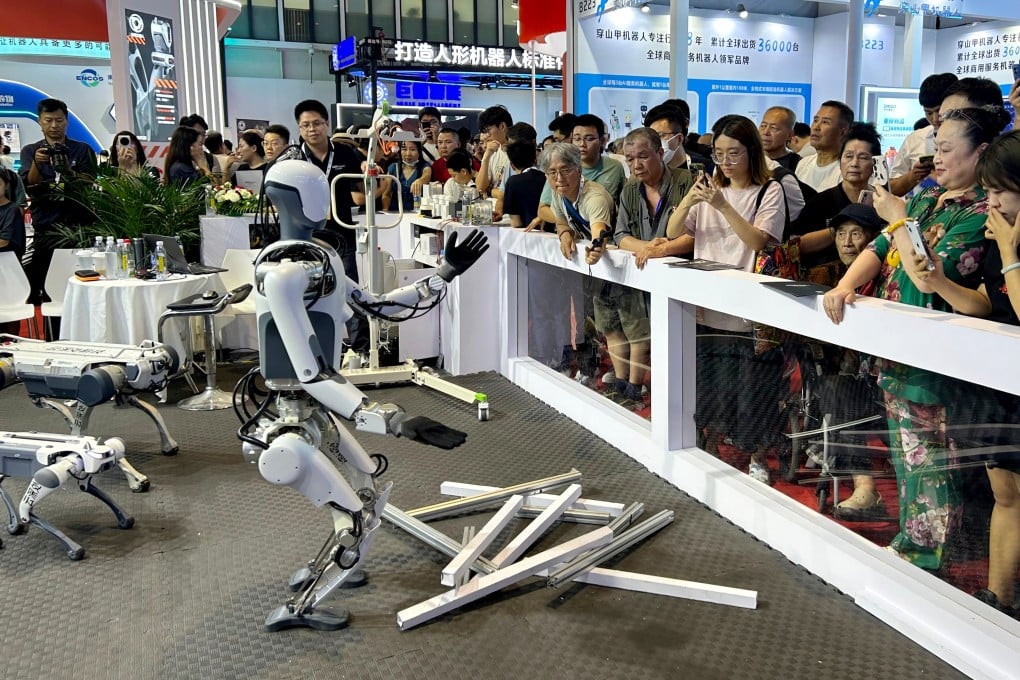
The AI Summit 2026 in New Delhi brought together universities, technology startups, investors, and government representatives to highlight progress in robotics and machine learning. During a scheduled demonstration, a university team presented what was described as an advanced humanoid robot developed through domestic research efforts.
According to attendees, questions emerged shortly after the demonstration. Several technology experts noted similarities between the robot’s physical structure and publicly available Chinese models previously exhibited at international trade shows.
As inquiries intensified, organizers notified authorities overseeing official delegations. Within hours, the matter escalated into what is now widely referred to as the Chinese robot issue.
Government Action and Immediate Response
Government officials intervened after preliminary assessments suggested inconsistencies between the presentation materials and publicly known product specifications.
A senior official familiar with the review process stated,
“India’s innovation ecosystem depends on credibility and transparency, and we take any questions regarding representation very seriously.”
Following consultations, authorities asked the university delegation to leave the summit pending further clarification. The Chinese robot issue was subsequently placed under formal review to determine whether there had been misrepresentation or documentation oversight.
Officials emphasized that the action was precautionary and aimed at protecting the integrity of the event rather than assigning immediate blame.
University Position and Clarification Efforts
Representatives associated with the university indicated informally that the robot may have incorporated imported components within a locally integrated system. Cross border sourcing of hardware components is common in robotics development, particularly when institutions focus on software engineering and system customization.
However, the Chinese robot issue appears to center on how the project was described during official presentations. Experts say that clear disclosure of imported hardware, collaborative partnerships, or licensed technology is critical when innovations are presented at national or international forums.
The university has not yet released a detailed public statement outlining its position.
Why Transparency Matters in AI Development
Artificial intelligence has become a strategic priority for governments worldwide. Research institutions are under increasing pressure to demonstrate breakthroughs, attract funding, and showcase national capability.
The Chinese robot issue highlights how quickly credibility concerns can arise when documentation or presentation lacks clarity. In the highly competitive global AI landscape, transparency regarding sourcing, intellectual property, and collaboration is essential.
Technology analysts note that innovation credibility is often as important as technical sophistication. A single controversy can overshadow years of research progress and diminish trust among stakeholders.
Impact on India’s AI Ambitions
India has invested heavily in artificial intelligence research, digital infrastructure, and domestic technology manufacturing. National initiatives encourage universities and startups to develop indigenous solutions across sectors including healthcare, automation, and defense.
The Chinese robot issue does not negate these broader efforts, but it underscores the importance of maintaining rigorous standards for representation. Policymakers have repeatedly emphasized self reliance in critical technologies, making accurate labeling and documentation especially significant.
Observers believe that the incident may prompt updated participation guidelines for institutions representing India at global technology events.
Broader Geopolitical Context
The reference to a Chinese manufactured product introduces additional sensitivity. India and China maintain a complex relationship that includes economic cooperation and strategic competition, particularly in the technology sector.
In this context, the Chinese robot issue carries symbolic weight. Technology exhibitions are not only academic events but also platforms for projecting national capability and industrial strength.
While global supply chains remain interconnected, public perception of domestic innovation plays a major role in shaping policy and investment decisions.
Reaction from the Technology Community
Industry experts attending the summit expressed concern that the controversy could distract from legitimate advancements showcased at the event.
Many emphasized that collaboration across borders is common in robotics development. The distinction, analysts say, lies in transparency and attribution. The Chinese robot issue has sparked conversations about strengthening review processes before public demonstrations.
Social media discussions have ranged from calls for accountability to appeals for measured investigation. Several commentators urged authorities to release findings only after a comprehensive technical review.
Regulatory and Institutional Implications
Authorities are expected to examine documentation standards and participation criteria for future summits. The Chinese robot issue may lead to requirements for detailed disclosure of hardware origins, licensing agreements, and development contributions.
Policy advisors suggest that establishing clearer guidelines could prevent similar disputes while preserving international collaboration.
Experts also note that universities may adopt stricter internal verification procedures, including technical audits and independent review panels, before presenting innovations on global stages.
Looking Ahead
As the review continues, the Chinese robot issue remains under examination by relevant authorities. The outcome may influence not only the institutions involved but also broader standards governing technology exhibitions in India.
The 2026 New Delhi summit was intended to highlight progress in artificial intelligence and robotics. Instead, it has become a case study in how transparency and representation shape the credibility of innovation.
For India’s growing AI ecosystem, the episode reinforces a central lesson: global leadership in technology depends on authenticity, accountability, and clear communication.
A Defining Moment for Institutional Credibility
The developments in New Delhi demonstrate how quickly scrutiny can arise in the digital age. The Chinese robot issue serves as a reminder that in an era of instant information sharing, verification is immediate and reputational risks are significant.
As artificial intelligence continues to evolve, institutions participating in global forums will face increasing expectations for transparency. The long term impact of this incident will depend on how effectively standards are strengthened and trust is restored within the research community.