

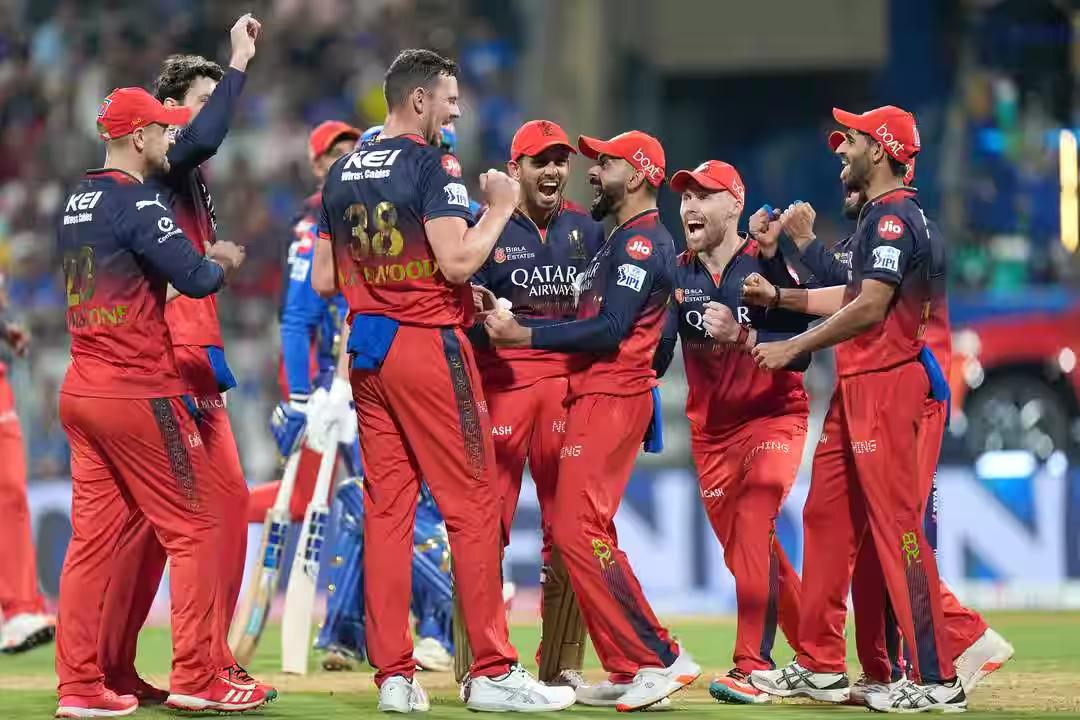
Ahmedabad, India, April 18, 2026 (Parliament Politics Magazine) Cricket match strategy played a defining role in Ahmedabad, India (2026), as Gujarat outperformed Kolkata in a high-pressure IPL encounter driven by disciplined execution and adaptable bowling. The match highlighted how modern T20 games are no longer just about talent, but about reading conditions, adjusting tactics, and making real-time decisions.
The result strengthens Gujarat’s standing in the tournament while raising important questions about how teams approach strategy in fast-paced formats like the IPL.
Adaptability Becomes the Core Cricket Match Strategy
At the center of the victory was Gujarat’s ability to execute a flexible cricket match strategy, particularly with the ball. Instead of sticking to a single plan, bowlers adjusted their approach depending on the situation.
South African pacer Kagiso Rabada explained the mindset after the match:
“You need to stay ahead of the batter. A good cricket match strategy means constantly adapting, not repeating the same plan.”
This approach disrupted Kolkata’s rhythm and forced their batters into uncomfortable decisions.
Early Pressure Shapes the Game Plan
A strong start is often critical in T20 cricket, and Gujarat’s cricket match strategy focused on early breakthroughs. Tight bowling lines and disciplined field placements restricted scoring opportunities from the outset.
Key impacts of the early phase:
- Immediate pressure on Kolkata’s top order
- Reduced scoring rate in powerplay overs
- Forced risk-taking by middle-order batters
By taking control early, Gujarat ensured the match remained within their strategic framework.
Middle Overs Execution Reflects Tactical Depth
The middle overs are often where matches are won or lost, and Gujarat’s cricket match strategy during this phase proved decisive. The team rotated bowlers effectively, mixing spin and pace to maintain unpredictability.
Tactical elements included:
- Slower balls and cutters to disrupt timing
- Defensive field placements to limit boundaries
- Constant variation in bowling patterns
This phase prevented Kolkata from building momentum, keeping the run rate under control.
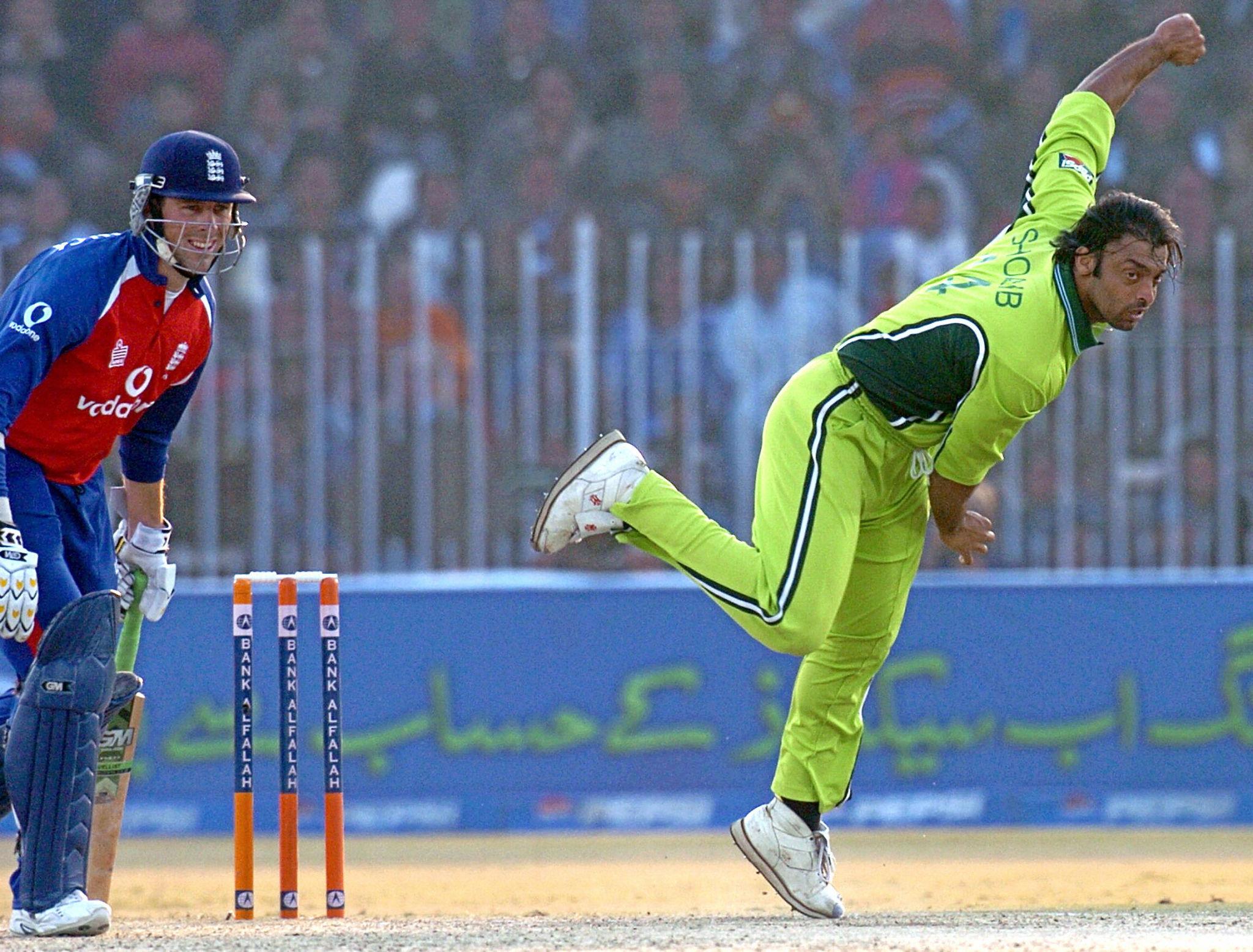
Death Overs Discipline Seals the Outcome
As the match entered the final overs, Gujarat’s execution under pressure stood out. The cricket match strategy shifted toward minimizing damage rather than taking risks.
Key strategies included:
- Accurate yorkers targeting the base of the stumps
- Wide deliveries to restrict hitting zones
- Slower balls to deceive aggressive batters
Kolkata struggled to accelerate, and Gujarat maintained control until the end.
Rabada added:
“The final overs are about composure. A clear cricket match strategy helps you stay focused when the pressure is highest.”
Kolkata’s Struggles Against Strategic Bowling
Kolkata’s batting lineup showed moments of promise but lacked consistency against Gujarat’s well-planned cricket match strategy. The inability to adapt to changing bowling tactics proved costly.
Key challenges faced by Kolkata:
- Difficulty reading variations in pace
- Lack of sustained partnerships
- Increased pressure leading to poor shot selection
These issues prevented Kolkata from building a competitive total.
Leadership and Field Placement Influence Results
Gujarat’s captaincy played a crucial role in implementing the cricket match strategy effectively. Field placements were constantly adjusted to support bowlers and limit scoring opportunities.
Strategic captaincy included:
- Frequent field changes based on batter tendencies
- Effective use of bowling rotations
- Quick decision-making under pressure
This level of control ensured that Gujarat remained one step ahead throughout the match.
Modern IPL Trends: Strategy Over Power
The match reflects a broader trend in the IPL, where cricket match strategy is becoming more important than raw power hitting. Teams that rely solely on aggressive batting are increasingly being challenged by disciplined bowling units.
Key trends shaping modern T20 cricket:
- Increased reliance on data and analytics
- Greater emphasis on adaptability
- Strategic use of bowlers in specific match situations
Gujarat’s performance demonstrates how strategy can overcome even strong batting lineups.
Impact on IPL Standings and Momentum
The victory provides Gujarat with valuable momentum as the tournament progresses. Strong performances driven by effective cricket match strategy can significantly influence playoff qualification.
For Kolkata, the loss highlights the need to improve adaptability and execution in future matches.

Fan Reaction and Match Significance
Fans and analysts praised Gujarat’s disciplined approach, with many highlighting the importance of strategy in determining outcomes.
The match reinforces the IPL’s reputation as a league where tactical decisions play a crucial role alongside individual performances.
What Teams Can Learn From This Match
The Gujarat vs Kolkata clash offers important lessons for teams across the league:
- Adaptability is essential in T20 cricket
- Execution matters more than planning alone
- Strategic thinking can neutralize stronger opponents
As the tournament continues, teams are likely to focus more on refining their cricket match strategy to stay competitive.
Cricket Match Strategy Analysis
Gujarat’s victory over Kolkata was a clear example of how effective cricket match strategy can determine the outcome of a game. Through adaptable bowling, disciplined execution, and smart captaincy, Gujarat controlled the match from start to finish.
As T20 cricket continues to evolve, strategy is becoming the defining factor between winning and losing. This match serves as a strong reminder that success is built on planning, adaptability, and execution under pressure.
