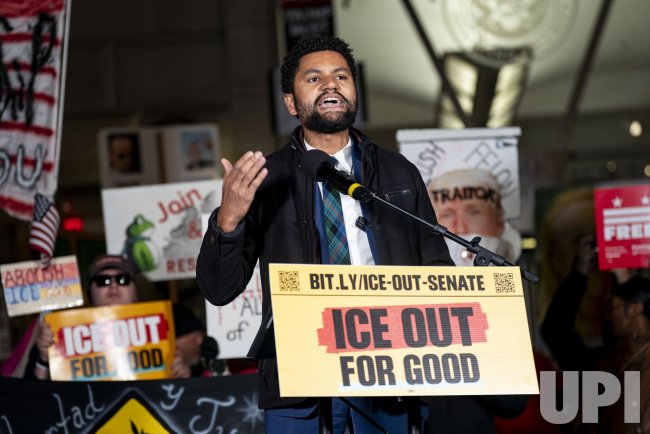
Syria border – January 2026, According to parliament news that Turkiye–Syria frontier became the focus of national debate after a cross border demonstration drew thousands of participants to a location more commonly associated with security patrols than public gatherings. The event unfolded under tight oversight but remained peaceful, transforming a controlled zone into a temporary space of political expression. Observers described the gathering as one of the most symbolically significant civic actions to take place near the border in recent years.
The choice of location was deliberate. Border regions are rarely selected for mass political activity due to their sensitivity, yet organizers argued that visibility at the frontier carried a message that could not be replicated elsewhere. For communities living in the shadow of fences and checkpoints, the event marked a rare moment when their concerns moved to the national stage.
Why Border Regions Amplify Political Meaning
Border areas occupy a unique position in political life. They are shaped by security policy, migration flows, and regional conflict, yet they are also home to civilians whose daily realities are often absent from central political discourse. A cross border demonstration in such a space inevitably carries layered meaning, signaling both civic participation and a challenge to the assumption that political expression must be confined to urban centers.
Historically, borders have been treated as margins rather than forums. By organizing a public gathering at the frontier, activists sought to reframe the border not as a line of separation, but as a place where political voice remains possible despite heavy regulation.
Organizers Emphasize Peaceful Intent
From the outset, organizers stressed that the event was civic in nature. Messaging circulated ahead of the gathering urged participants to remain calm, avoid provocation, and cooperate with authorities. The emphasis was on symbolism rather than confrontation.
This framing shaped how the cross border demonstration unfolded. Banners and speeches focused on democratic participation, coexistence, and dialogue. Organizers said the aim was to demonstrate presence rather than force, visibility rather than disruption.
Leadership Presence Elevates the Event
Senior figures from DEM Party were present at the gathering, a factor that significantly elevated its profile. Their participation signaled that the event was part of a broader political strategy rather than an isolated local action.
Analysts noted that leadership involvement often brings discipline as well as attention. In this case, it reinforced the peaceful tone of the cross border demonstration and ensured that messaging remained consistent throughout the event.
Diverse Crowd Reflects Broad Engagement
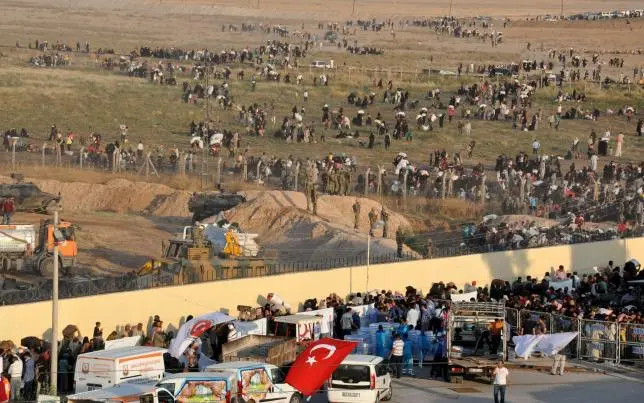
The crowd included families, young activists, local residents, and civil society representatives. Many traveled long distances to attend, indicating that the event resonated beyond the immediate border region.
For participants, the cross border demonstration offered a rare opportunity to engage collectively in political expression within a space usually defined by restriction. Attendees described a sense of solidarity rooted in shared regional experiences rather than narrow political alignment.
Security Measures Shape the Atmosphere
Authorities deployed visible security forces, citing the sensitivity of the location. Checkpoints were established, and access routes were monitored throughout the day. While such measures were expected, they inevitably influenced the atmosphere of the gathering.
Despite this, the cross border demonstration proceeded without incident. Organizers worked closely with security personnel to manage movement and prevent escalation, a cooperation that was later highlighted as a key factor in the event’s peaceful outcome.
Symbolism of the Border Resonates Nationally
Images of crowds assembled near the frontier circulated widely across media platforms. The contrast between civic activity and a traditionally militarized landscape gave the event strong visual impact.
For many observers, the cross border demonstration stood out not because of its size alone, but because of its setting. Borders are powerful symbols in political imagination, and seeing them repurposed as sites of public assembly altered familiar narratives.
Regional Context Influences the Message
Developments across the border in Syria formed an unspoken backdrop to the gathering. Years of conflict, displacement, and reconstruction efforts have deeply affected communities on both sides of the frontier.
Speakers referenced these realities, framing the cross border demonstration as an expression of interconnected futures rather than isolated national concerns. The message emphasized that policies shaped at the center are felt most acutely at the edges.
Media Coverage Highlights Peaceful Conduct
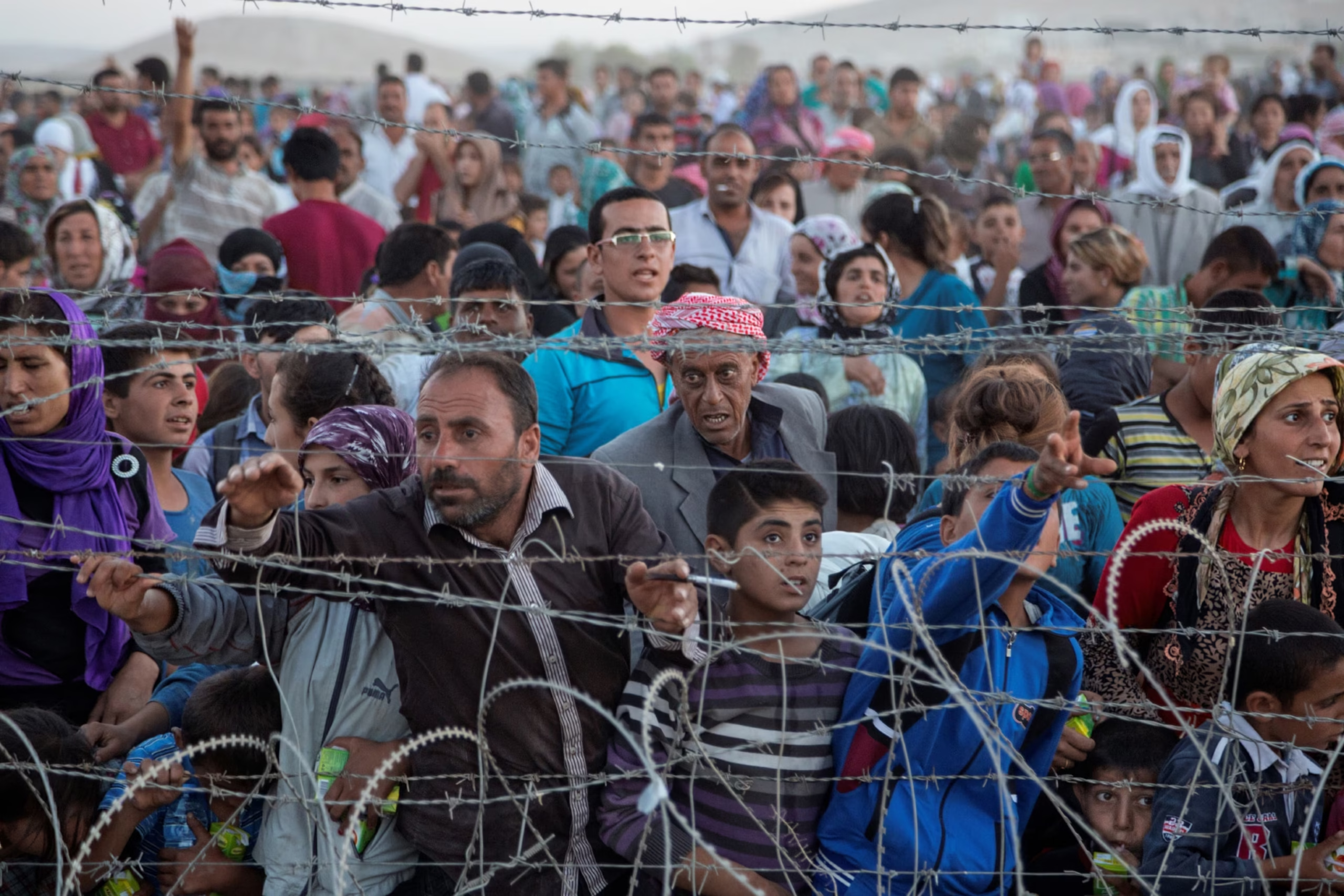
Coverage of the event focused largely on its orderly nature. Reports emphasized the absence of clashes and the cooperation between organizers and authorities.
This framing mattered. In a media environment accustomed to portraying border regions through a security lens, the cross border demonstration offered an alternative image of civic engagement and restraint.
One Analytical Perspective on the Moment
One regional political analyst observing the event said,
“When political expression reaches the border, it forces the center to listen, because borders are where policy becomes lived experience.”
Civic Expression in Highly Regulated Spaces
Public assembly is usually associated with city squares and streets designed for gatherings. Border zones, by contrast, are structured for control. Holding a cross border demonstration in such a space disrupted expectations about where political participation is acceptable.
Supporters argued that this disruption was intentional. By occupying a regulated space peacefully, participants sought to expand the boundaries of civic life without challenging security directly.
Historical Patterns of Border Mobilization
Border regions have periodically served as stages for symbolic political action, particularly during moments of regional change. From peace marches to labor movements, frontiers have often been used to highlight shared struggles.
In this historical context, the cross border demonstration fits within a longer tradition of using symbolic geography to amplify political messages.
Youth Participation Signals Shifting Engagement
Young people were particularly visible among the participants. Many expressed frustration with limited political channels and saw the event as a way to assert presence without confrontation.
For youth activists, the cross border demonstration represented a form of engagement that balanced expression with caution, visibility with restraint.
Local Reactions Reflect Complexity
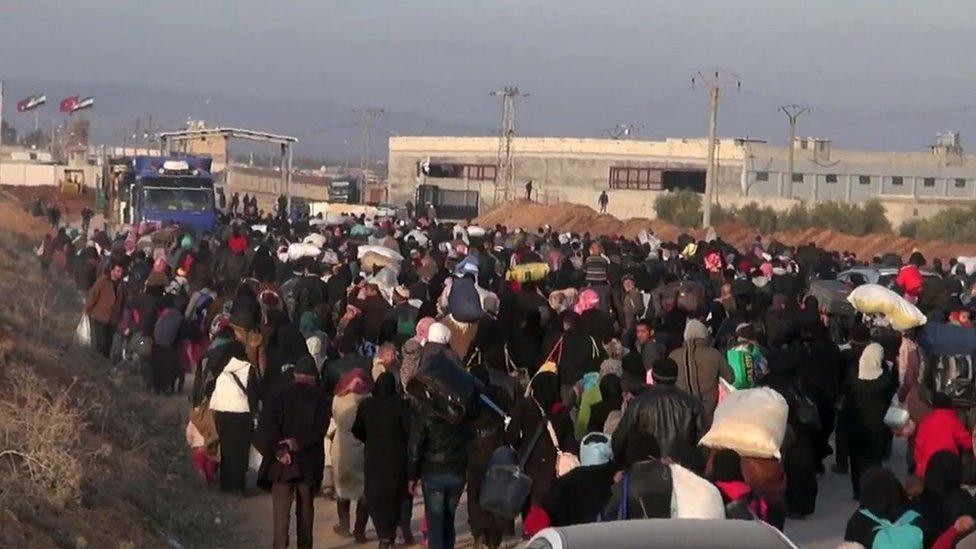
Residents of nearby towns expressed mixed reactions. Some welcomed the attention brought to regional concerns, while others worried about potential disruptions or long-term consequences.
These reactions underscored the complexity of border politics, where security, livelihood, and civic expression intersect. The cross border demonstration highlighted these tensions rather than resolving them.
Authorities Monitor the Aftermath
Officials did not immediately announce policy changes following the event. Analysts suggested that the peaceful outcome could influence how similar gatherings are handled in the future.
Whether the cross border demonstration becomes a precedent or remains an exception will depend on broader political developments.
Political Impact Beyond Immediate Results
Even without concrete outcomes, the event shifted public conversation. It introduced new imagery, sparked debate, and challenged assumptions about political space.
In this sense, the cross border demonstration achieved impact through narrative rather than legislation.
Borders as Lived Realities
For border residents, the frontier shapes daily life in ways often overlooked by central policymakers. Employment, family ties, and movement are all affected by decisions made far away.
The cross border demonstration brought these lived realities into view, reminding observers that borders are inhabited spaces, not abstract lines.
Symbolism and Modern Political Strategy
Modern political movements increasingly rely on symbolism to amplify messages. Location, timing, and imagery can be as influential as policy platforms.
By choosing the frontier, organizers ensured that the cross border demonstration carried symbolic weight far beyond its immediate audience.
Looking Toward Future Civic Action
Organizers hinted at further peaceful initiatives, though they emphasized the need for caution and dialogue. Whether similar events will follow remains uncertain.
What is clear is that the cross border demonstration has become a reference point in discussions about political participation in sensitive regions.
A Moment That Redefined Space
For a few hours in April 2026, a border zone became a civic forum. The transformation was temporary, but its significance endures.
The cross border demonstration did not eliminate the realities of security or regional tension, but it showed that even in tightly controlled spaces, collective civic voice can briefly reshape the meaning of place.