

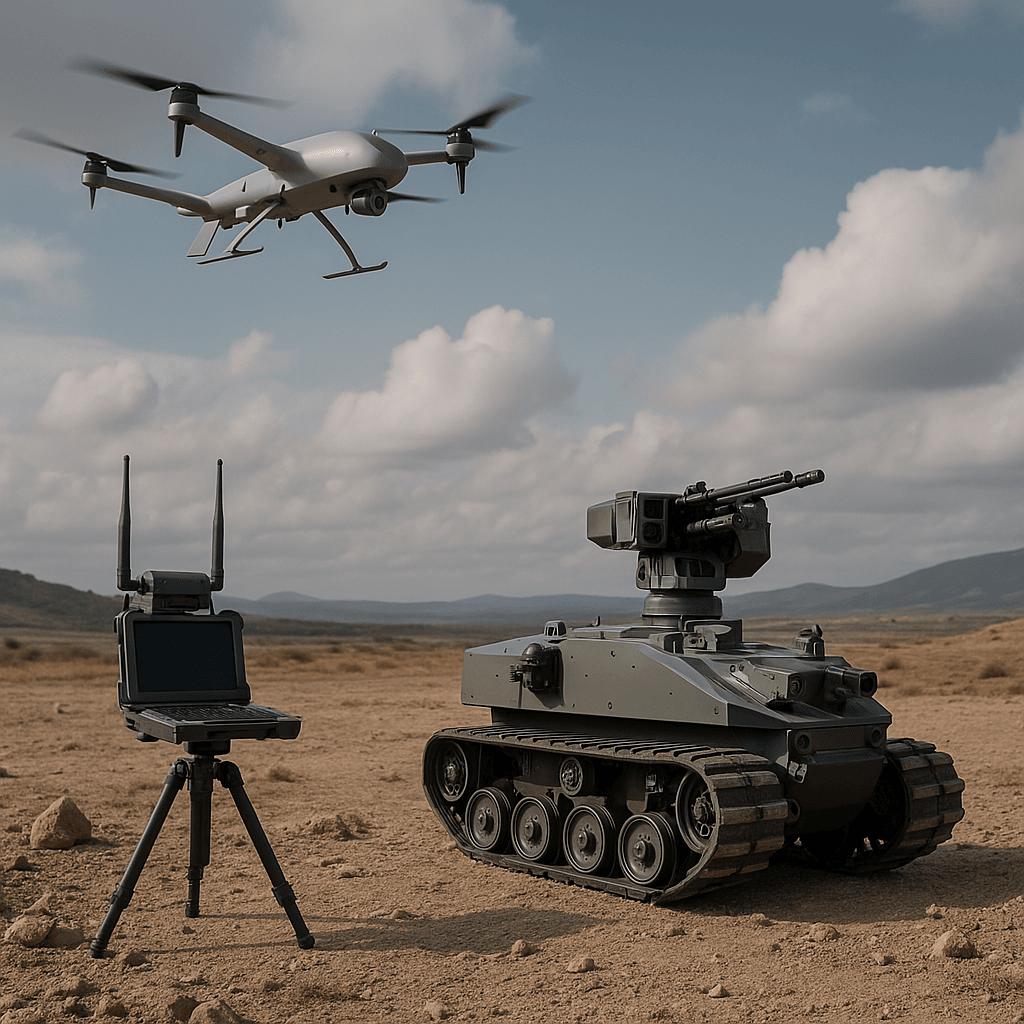
Pentagon expands partnerships with AI firms to strengthen defense capabilities.
New deals focus on cybersecurity, data intelligence, and autonomous systems.
Defense technology partnerships reshape military strategy in 2026.
Washington, D.C., May 1, 2026 (Parliament Politics Magazine) Defense technology partnerships are accelerating in the United States as the United States Department of Defense formalizes new agreements with leading artificial intelligence firms. The move reflects a strategic shift toward integrating advanced technologies into national defense systems, with a focus on innovation, cybersecurity, and operational efficiency.
The agreements are designed to strengthen the military’s ability to respond to evolving threats while leveraging the expertise of private-sector technology companies.
Defense Technology Partnerships (2026)
- Agency: United States Department of Defense
- Focus: Defense technology partnerships with AI firms
- Key Areas: Cybersecurity, AI, autonomous systems
- Objective: Enhance national security capabilities
- Strategic Direction: Public-private collaboration
- Market Impact: Growth in defense-tech sector
- Global Context: Increasing competition in military AI
Pentagon Strategy Focuses on Advanced Technology Integration
The Pentagon’s latest initiative highlights a growing emphasis on integrating cutting-edge technologies into defense operations. By forming defense technology partnerships, the Department of Defense aims to accelerate innovation and improve decision-making processes.
These partnerships allow the military to access advanced tools and expertise that are often developed faster in the private sector. This approach is seen as critical to maintaining a technological edge in an increasingly complex global security environment.
“These partnerships represent a turning point in how defense systems are developed and deployed,”
said a defense policy analyst.
AI and Data Analytics Drive Operational Efficiency
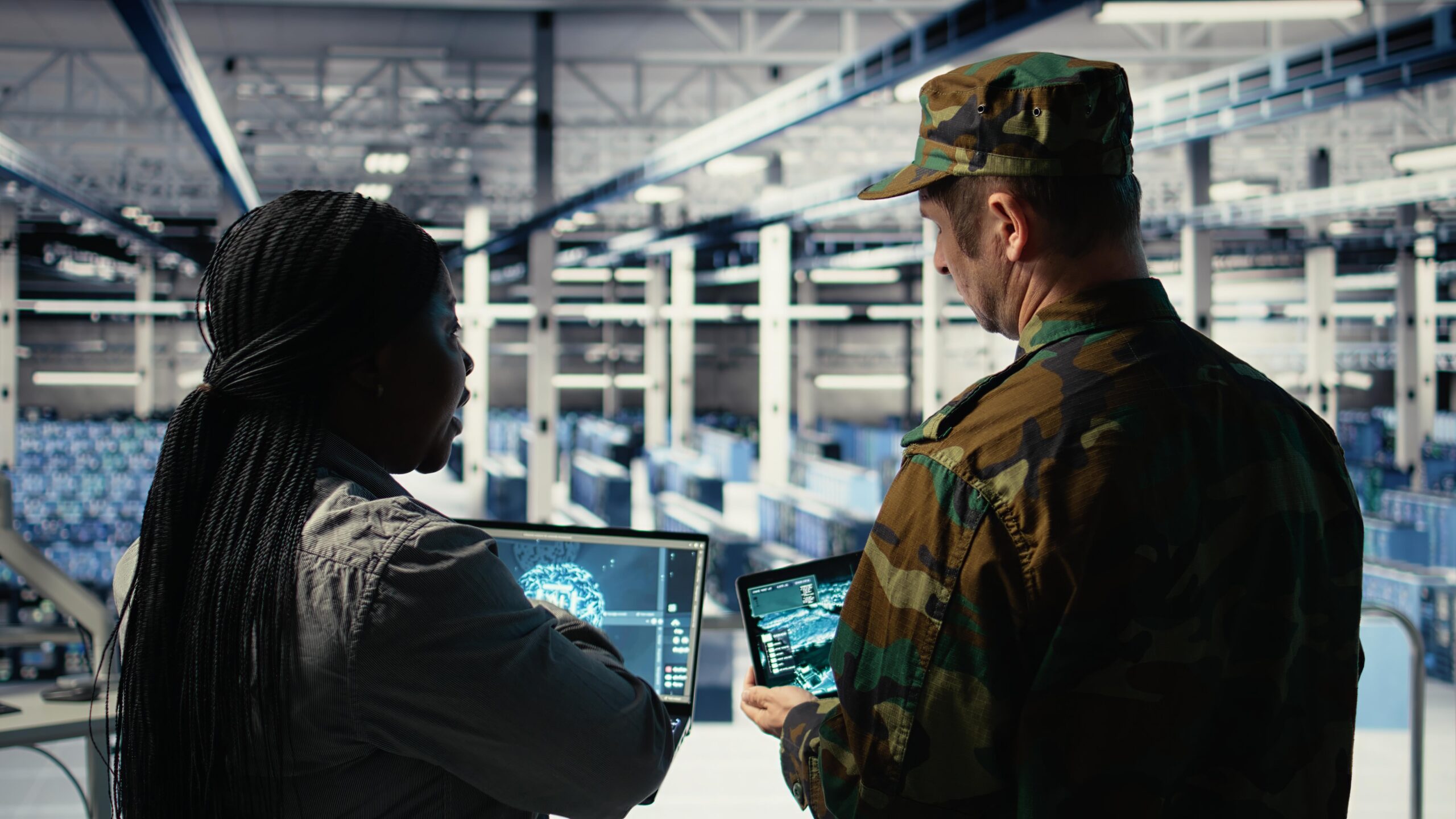
Artificial intelligence is at the center of these agreements, enabling the military to process vast amounts of data in real time. Through defense technology partnerships, AI tools are being deployed to enhance intelligence gathering, predictive modeling, and operational planning.
These capabilities allow for faster and more accurate decision-making, which is essential in high-stakes scenarios. The integration of AI is expected to transform how military operations are conducted.
“AI is no longer optional in defense strategy—it is essential for maintaining operational superiority,”
an industry expert noted.

Cybersecurity Becomes a Core Priority
As digital threats continue to evolve, cybersecurity has become a central focus of the Pentagon’s strategy. Defense technology partnerships are enabling the development of advanced systems to detect and respond to cyber threats in real time.
These systems use machine learning algorithms to identify anomalies and prevent attacks before they can cause significant damage. Strengthening cybersecurity is seen as a critical component of national defense.
Autonomous Systems Reshape Military Capabilities
The development of autonomous systems is another key area of focus. Through defense technology partnerships, the Pentagon is advancing technologies such as unmanned vehicles, drones, and automated surveillance systems.
These systems can operate independently or alongside human operators, providing new capabilities on the battlefield. The use of autonomous technologies is expected to increase efficiency and reduce risks for personnel.
“Autonomous systems are redefining the future of warfare, offering unprecedented capabilities and flexibility,”
a military strategist said.
Competitive Landscape Intensifies Globally
The expansion of defense technology partnerships comes amid increasing global competition in military technology. Countries around the world are investing heavily in AI and advanced defense systems.
This competition is driving innovation but also raising concerns about the potential for an arms race in emerging technologies. The United States is positioning itself to remain a leader in this space through strategic collaborations.
Private Sector Collaboration Accelerates Innovation
One of the key advantages of defense technology partnerships is the ability to leverage private-sector innovation. Technology companies bring expertise, resources, and agility that complement the capabilities of the military.
These collaborations enable faster development and deployment of new technologies, ensuring that defense systems remain up to date with the latest advancements.
Historical Perspective: Evolution of Defense Technology Collaboration
The concept of collaboration between the military and private companies is not new. Over the decades, partnerships have played a crucial role in advancing defense capabilities.
However, the scale and scope of today’s defense technology partnerships are unprecedented. The integration of AI and digital technologies marks a new era in military innovation.
This evolution reflects the growing importance of technology in shaping global security dynamics.
Economic Impact on Technology and Defense Sectors
The expansion of defense technology partnerships is expected to have significant economic implications. Increased investment in defense technology could drive growth in the tech sector and create new opportunities for innovation.
Companies involved in these partnerships may benefit from expanded contracts and increased visibility, while the broader industry could see a surge in demand for advanced technologies.
Ethical and Regulatory Considerations
The use of advanced technologies in defense raises important ethical and regulatory questions. The Pentagon has emphasized the need for responsible development and deployment of AI systems.
Defense technology partnerships must operate within established legal and ethical frameworks to ensure accountability and transparency. Balancing innovation with ethical considerations remains a key challenge.
Future Outlook: Technology at the Core of Defense Strategy
Looking ahead, defense technology partnerships are expected to play an increasingly central role in military strategy. Continued collaboration between the Pentagon and private-sector companies will be essential for maintaining technological leadership.
The success of these partnerships will depend on the ability to innovate while addressing security, ethical, and regulatory challenges.
What These Partnerships Mean for Global Security in 2026
Defense technology partnerships are transforming how modern militaries operate, enabling faster innovation and stronger security capabilities. As the Pentagon deepens collaboration with AI companies, the focus is shifting toward smarter, data-driven defense systems. These partnerships signal a long-term strategy aimed at maintaining technological superiority while addressing emerging global threats.
