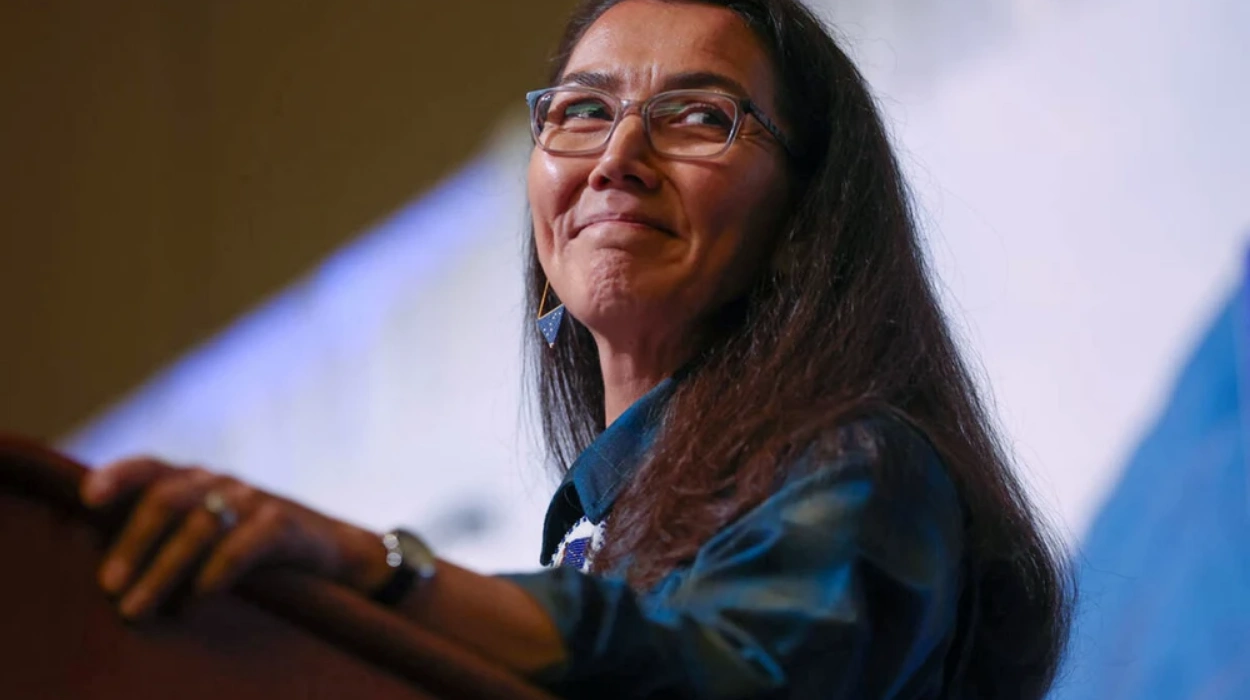
Anchorage (Parliament Politics Magazine) January 12, 2026 – US Representative Mary Peltola announced her candidacy for Alaska’s US Senate seat, launching a challenge to Republican incumbent Dan Sullivan in the 2026 midterm elections. The Democrat, serving her second term in the state’s at-large House district, emphasised fisheries protection, veterans’ healthcare, and resource development during a kickoff event. Peltola positions her campaign around bipartisan results amid Democratic efforts to gain Senate seats.
Peltola addressed around 500 supporters at the Dena’ina Civic Center in Anchorage, highlighting her legislative successes in securing VA hospital funding and Bristol Bay protections. Her entry into the race drew immediate attention from national party operatives monitoring battleground states.
CBS News correspondent Scott MacFarlane highlighted the announcement’s significance for Democrats in an X post,
“Big “get” for Democrats Mary Peltola announces campaign for U.S. Senate in Alaska”
Big “get” for Democrats
Mary Peltola announces campaign for U.S. Senate in Alaska
— Scott MacFarlane (@MacFarlaneNews) January 12, 2026
Campaign launch event and key messages
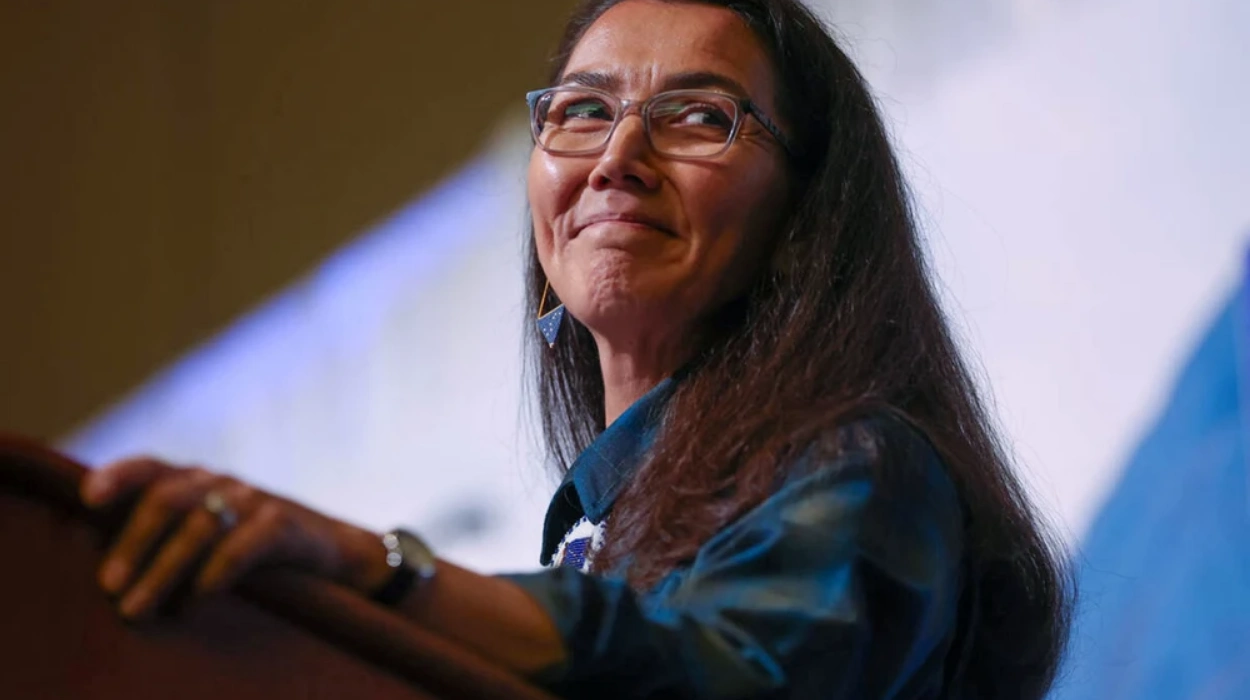
(Credit: Ellen Schmidt / Las Vegas Review-Journal via Getty Images file)
According to Bridget Bowman of NBC News, Mary Peltola stated in a video announcing her campaign,
“Growing up, Alaska was a place of abundance. Now, we have scarcity. The salmon, large game, and migratory birds that used to fill our freezers are harder to find. So we buy more groceries, with crushing prices.”
She said,
“Our delegation used to stand up to their party and put Alaska first. Ted Stevens and Don Young ignored Lower 48 partisanship to fight for things like public media and disaster relief because Alaska depends on them.”
Peltola launched her Senate bid by decrying a “rigged system,” backing term limits, and urging Alaskans to prioritize the state’s interests, echoing the “Alaska First” motto.
The event featured testimonials from commercial fishermen and Alaska Native leaders, underscoring Peltola’s roots in rural districts. She pledged continued opposition to the Pebble Mine project while supporting LNG pipeline development. Initial fundraising tallied over $500,000 from small-dollar donors and PACs within hours.
Peltola’s speech referenced her 2024 House reelection win by 7.5 percentage points over Nick Begich III under ranked-choice voting. Campaign staff outlined 20 town halls planned across Anchorage, Bethel, Ketchikan, and the Kenai Peninsula.
She schedules Bethel fisheries forums and Kenai oil worker meetings next week. Debates set with Alaska Public Media hosting. TV ads launch, highlighting the joint VA groundbreaking with Sullivan.
Political background and congressional achievements
Elected in 2022 as the first Alaska Native woman in Congress, Peltola defeated Sarah Palin in a special election. She secured full terms in 2024, co-sponsoring the National Defense Authorization Act for Arctic defence enhancements. Her record includes $1.2 billion appropriated for the Anchorage VA hospital construction.
Peltola frequently collaborates with Republicans on energy and military issues, earning endorsements from fishing industry groups. As reported by Liz Ruskin of Alaska Public Media, she maintains a 55% approval rating among state voters.
Challenging Senator Dan Sullivan’s Record
Dan Sullivan seeks a third term after a 2020 reelection by 13 points. The former Marine and state attorney general chairs subcommittees on Armed Services, focusing on military base funding and SHIPS Act provisions for Arctic fleets. FEC filings show Sullivan with $3.2 million in cash reserves.
Sullivan’s spokesperson issued a statement post-announcement,
“Alaskans trust Senator Sullivan’s proven leadership over Washington priorities.”
NRSC chair Steve Daines identified the seat as a top defense target.
Democratic hopes and the national party response

(Credit: Anna Moneymaker/Getty Images)
Democrats view Alaska as a Senate pickup amid President Trump’s second term. Peltola’s moderate profile appeals to independents, comprising 28% of voters.
A Democratic netizen amplified the launch’s potential. Protect Kamala Harris said in X post,
“🚨New: Former Rep. Mary Peltola has officially launched her campaign for the U.S. Senate in Alaska against GOP incumbent Dan Sullivan, giving Democrats the best chance in years to win the state. RETWEET if you support @MaryPeltola as she runs to flip Alaska and donate below!”
🚨New: Former Rep. Mary Peltola has officially launched her campaign for the U.S. Senate in Alaska against GOP incumbent Dan Sullivan, giving Democrats the best chance in years to win the state.
RETWEET if you support @MaryPeltola as she runs to flip Alaska and donate below! pic.twitter.com/IX3UVibq50
— Protect Kamala Harris ✊ (@DisavowTrump20) January 12, 2026
DSCC spokesperson Torie Clark confirmed early ad reservations criticising Sullivan’s healthcare votes.
Core policy positions and voter priorities
Peltola prioritises king salmon recovery, carbon capture incentives, and Permanent Fund Dividend stability. She defends ranked-choice voting against GOP repeal efforts. Sullivan emphasises oil lease expansions and Social Security protections.
Differences sharpen on Pebble Mine, with Peltola opposing and Sullivan neutral pending environmental reviews.
Fundraising landscape and early contributors
Peltola raised $2.8 million in her last House cycle, outpacing rivals. Launch contributions included EMILY’s List and United Fishermen of Alaska. Sullivan draws from the oil and gas sectors, totalling $1.5 million previously.
Both filed FEC Statements of Candidacy on January 12, triggering quarterly disclosures.
Alaska’s electoral mechanics and historical context
Top-four primaries feed ranked-choice generals on November 3, 2026, post-August 18 primaries. Peltola triumphed in 2022 via moderate vote redistribution. Lisa Murkowski’s 2010 write-in win exemplifies incumbent resilience.
Polls from Alaska Survey Research show Sullivan ahead, but Peltola is competitive among women and Natives.
Regional voter breakdown and strongholds
Peltola dominates the Bethel Census Area by 30 points, with Alaska Natives at 20% of the electorate. Sullivan leads Anchorage and Fairbanks urban cores. Rural districts split, independents pivotal.
Exit polls indicate a 12-point female preference for Peltola.
GOP counterstrategy and potential primary challengers
NRSC pledged resources, with Katie Hughes managing Sullivan’s reelection. Sarah Palin endorsed Sullivan indirectly via social media. Nick Begich considers a primary run.
Republicans gathered signatures for the ranked-choice repeal ballot initiative.
Media coverage and initial polling data
Anchorage Daily News front-paged the launch, and national outlets noted Senate map shifts. Alaska Public Media polls confirm Peltola’s bipartisan appeal.
Projected spending nears $50 million, exceeding prior state records.
Broader senate majority dynamics
Democrats hold 51-49 post-2024, defending map vulnerabilities. Peltola’s bid tests Trump’s Alaska popularity among oil supporters.
Historical House-to-Senate jumps include Mark Begich’s path. Both campaigns affirm debate commitments.
Voting Requirement to Become a US Senator
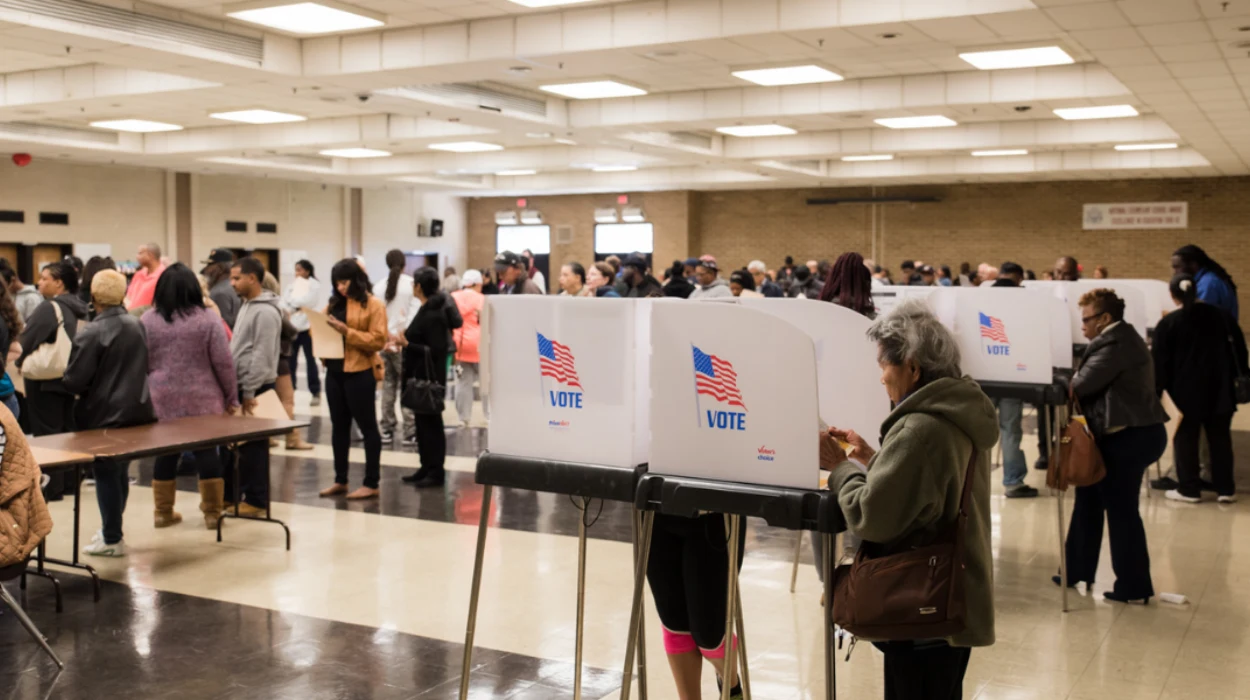
US Senate elections use a plurality system, where the candidate with the most votes in their state wins, even if under 50 percent. Some states, like Alaska, use ranked-choice voting to ensure a majority. Eligible voters must be US citizens aged 18 or older, registered by state deadlines, and may need to verify citizenship under federal law.
Candidates qualify by raising or spending over $5,000, triggering Federal Election Commission filings. Primaries vary by state, leading to general elections where winners serve six-year terms. Turnout affects total votes, with midterm averages around 66 percent; results are certified by state officials and transmitted to Congress.
Current US Senate composition and party numbers
As of January 2026, Republicans control the U.S. Senate with a 53‑47 majority. The chamber includes 53 Republican senators, 45 Democrats, and two Independents, Angus King of Maine and Bernie Sanders of Vermont, who caucus with the Democrats.
This composition follows the 2024 elections, where Republicans gained three seats in Montana, Ohio, and West Virginia, securing control for the 119th Congress, sworn in on January 3, 2025.
Senate Majority Leader John Thune oversees committees and floor business, using the three-seat advantage to manage the legislative agenda without needing the Vice President’s tie-breaking vote. No vacancies, resignations, or party switches have changed the balance entering 2026. Class II seats up for election later this year include 20 Republican incumbents defending seats against 13 Democratic-held targets.