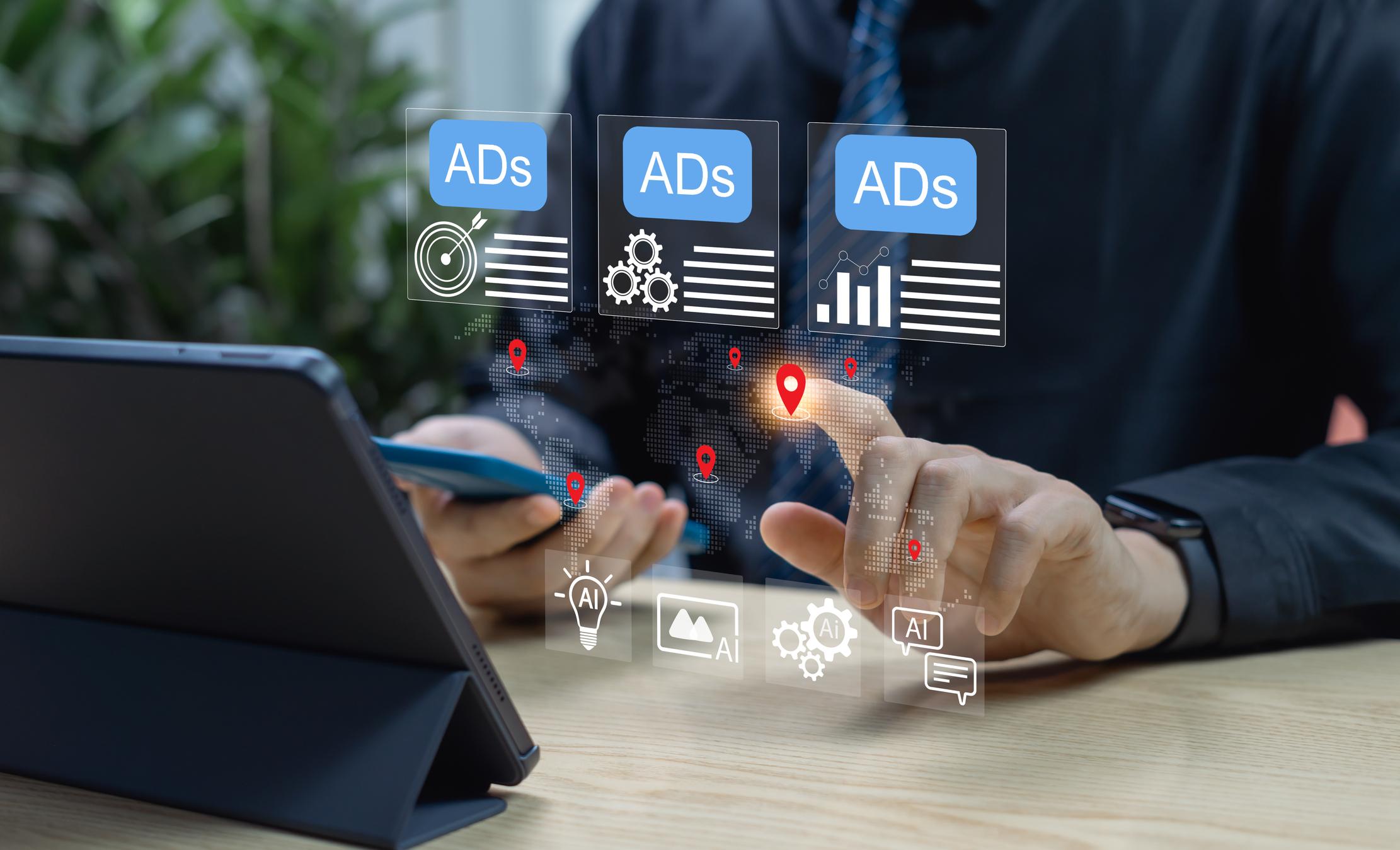
NEW YORK (Politics Parliament Magazine) digital advertising recovery is becoming one of the strongest business trends of the year as companies across multiple industries increase marketing investments following months of economic caution. Analysts say improving consumer confidence, expanding digital engagement, and stronger corporate earnings are helping fuel renewed optimism throughout the global advertising sector.
Major media companies, streaming platforms, search providers, and social media networks are reporting stronger advertising demand compared to previous quarters. Businesses are increasingly shifting budgets toward digital campaigns that provide measurable audience targeting and real-time performance analytics.
Industry experts believe the current rebound reflects broader changes in how corporations communicate with consumers in an increasingly digital-first global economy.
“The companies that adapt quickly to digital engagement trends are seeing stronger revenue growth and deeper customer relationships,”
one media strategist said during a recent industry conference.
Key Digital Advertising Recovery Trends in 2026
| Category | 2026 Trend |
|---|---|
| Global Digital Ad Spending | Rising |
| Streaming Advertising Demand | Strong Growth |
| AI-Powered Ad Targeting | Expanding Rapidly |
| Mobile Advertising Revenue | Increasing |
| Retail Media Networks | Accelerating |
| Social Media Ad Budgets | Recovering |
| Programmatic Advertising | Higher Adoption |
| Digital Subscription Platforms | Continued Expansion |
Corporate Marketing Budgets Begin Expanding Again
The latest earnings reports from several global companies suggest that advertising budgets are beginning to stabilize after periods of reduced spending linked to inflation concerns and economic uncertainty.
Many corporations had previously delayed marketing campaigns while monitoring consumer spending patterns. However, stronger retail activity and improving market sentiment are encouraging brands to re-enter competitive advertising markets.
Executives across technology, automotive, retail, and travel industries have indicated that digital campaigns remain one of the most efficient methods for reaching targeted audiences.
The latest digital advertising recovery trends also indicate that businesses increasingly prioritize measurable performance metrics when allocating marketing budgets.
Streaming Platforms Benefit From Advertising Shift
Streaming services continue benefiting from changing consumer viewing habits as audiences move away from traditional cable television toward on-demand digital content.
Advertising-supported streaming subscriptions have become a major growth driver throughout 2026. Several platforms reported rising engagement levels as advertisers seek highly targeted audiences with measurable viewing behavior.
Industry analysts believe streaming platforms now represent one of the most competitive advertising environments in the global media market.
The ongoing digital advertising recovery has helped boost revenues for companies offering hybrid subscription and advertising-supported content models.
“Advertisers want platforms that combine audience scale with precise targeting capabilities,”
a media analyst explained following several quarterly earnings announcements.

Artificial Intelligence Reshapes Advertising Strategies
Artificial intelligence is rapidly transforming the advertising industry by improving customer targeting, campaign automation, and predictive analytics.
Companies are increasingly using AI systems to optimize ad placement, personalize content recommendations, and analyze customer behavior in real time.
Marketing agencies say AI-driven advertising tools are helping businesses improve campaign efficiency while reducing wasted spending.
The latest digital advertising recovery cycle is closely tied to the adoption of advanced technology systems capable of delivering higher conversion rates and stronger customer engagement.
Several technology companies have announced expanded investments in AI-powered marketing platforms during the first half of 2026.
Mobile Advertising Continues Dominating Digital Markets
Mobile devices remain the dominant channel for digital consumer engagement worldwide. Smartphones continue driving social media activity, streaming consumption, online shopping, and digital communication.
Advertisers are increasingly prioritizing mobile-first strategies designed to capture users across social platforms, apps, and search engines.
Analysts say mobile engagement trends are contributing heavily to the broader digital advertising recovery now taking place across international markets.
Brands are also experimenting with short-form video campaigns, interactive advertisements, and personalized mobile experiences designed to improve audience retention.
Retail Media Networks Expand Influence
Retail media networks have become one of the fastest-growing advertising sectors in 2026. Large retailers are increasingly monetizing customer data by offering advertising opportunities directly through e-commerce platforms.
This strategy allows advertisers to target consumers closer to the point of purchase while improving conversion tracking and campaign measurement.
Industry experts believe retail advertising ecosystems may continue expanding as businesses seek alternatives to traditional media spending.
The accelerating digital advertising recovery is strengthening demand for data-driven advertising systems that connect marketing performance directly to sales activity.
Social Media Platforms Compete for Ad Revenue
Social media companies remain central players in the global advertising industry despite increasing competition from streaming and retail platforms.
Several social networks reported stronger advertiser demand this quarter as brands increased investments in influencer partnerships, short-form video campaigns, and interactive advertising formats.
However, competition for audience attention remains intense as platforms continue adapting algorithms and monetization strategies.
The broader digital advertising recovery has encouraged many businesses to diversify spending across multiple platforms instead of relying on single-channel campaigns.
“The future of advertising belongs to platforms capable of combining engagement, personalization, and measurable business results,”
one digital marketing executive stated.
A Brief History of Digital Advertising Expansion
The rise of digital advertising accelerated dramatically during the early 2000s as internet usage expanded globally. Search engines and social media platforms transformed traditional marketing by introducing highly targeted advertising models based on user behavior and demographic data.
Over time, mobile technology, streaming platforms, and e-commerce ecosystems reshaped advertising strategies even further. Companies shifted billions of dollars away from traditional television, radio, and print advertising toward online campaigns offering measurable performance metrics.
The current digital advertising recovery reflects the continued evolution of that transformation as businesses prioritize data-driven marketing strategies in a rapidly changing media landscape.
Global Economic Conditions Still Influence Advertising Trends
Despite positive momentum, analysts caution that economic uncertainty remains a major factor affecting advertising markets worldwide.
Interest rate policies, inflation concerns, geopolitical tensions, and fluctuating consumer spending patterns continue influencing corporate investment decisions.
Some economists believe advertising spending could remain volatile if global economic growth weakens later in the year.
However, companies with diversified revenue models and strong digital infrastructure appear better positioned to benefit from ongoing industry changes.
The current digital advertising recovery is viewed by many investors as an important indicator of broader business confidence across global markets.

Future Outlook for Digital Marketing Industry
Industry experts expect continued expansion in programmatic advertising, AI-driven personalization, and cross-platform digital campaigns throughout the remainder of 2026.
Brands are increasingly seeking integrated advertising systems capable of connecting streaming, social media, mobile apps, e-commerce, and search platforms into unified campaigns.
The evolving media environment is likely to increase competition among advertising providers while creating new revenue opportunities for technology companies and content platforms.
Analysts say businesses that successfully adapt to changing consumer behavior and emerging technologies may continue outperforming competitors during the next phase of digital transformation.
The latest digital advertising recovery signals suggest that digital marketing will remain one of the most important growth sectors in the global economy.