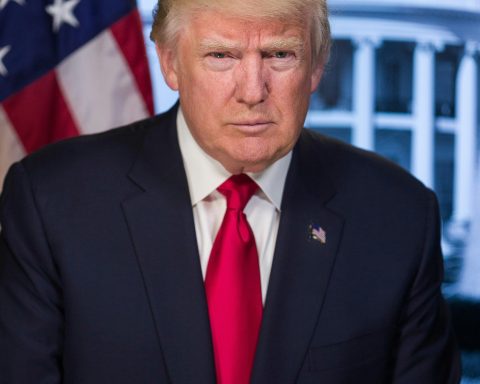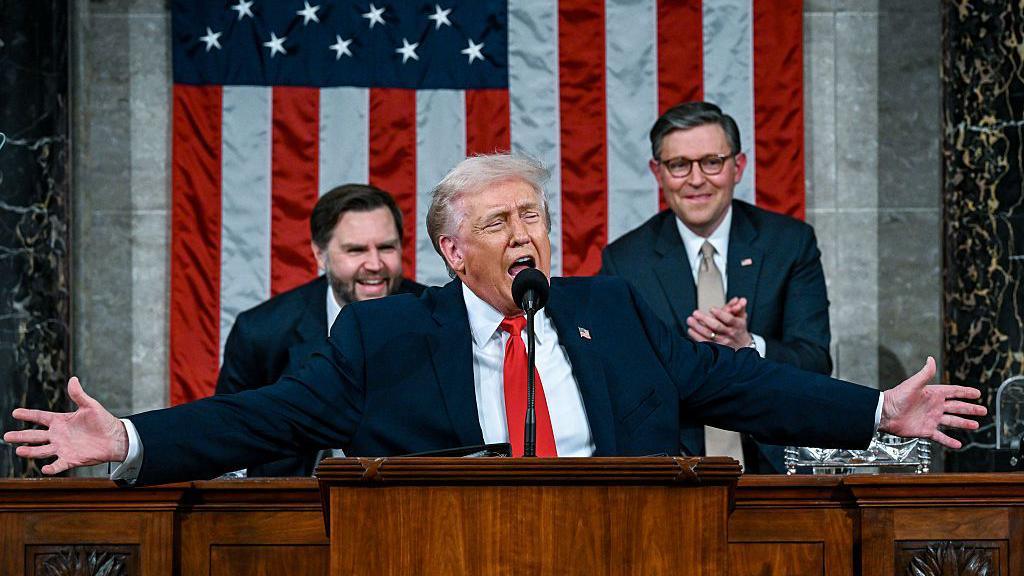
Washington, April 1, 2026 (Parliament Politics Magazine) Economic impact war decision is now at the center of global attention as former President Donald Trump prepares to address the nation amid growing speculation over the war’s potential end. The upcoming speech is expected to clarify strategic direction, with significant implications for financial markets, global stability, and economic policy.
The phrase economic impact war decision is rapidly gaining traction as analysts, investors, and policymakers assess how the next phase of the conflict could reshape economic conditions worldwide.
Why the Address Signals a Critical Turning Point
The timing of the address has amplified focus on the economic impact war decision, particularly as prolonged conflict has placed pressure on global markets and domestic economies.
Officials suggest that the speech may outline a shift in strategy, potentially signaling de-escalation or a recalibration of military priorities. Either outcome would carry substantial economic consequences.
A senior political analyst stated:
“This economic impact war decision is not just about military strategy—it’s about how global markets will respond in the coming weeks.”
Global Markets Brace for Uncertainty
Financial markets are closely watching developments tied to the economic impact war decision. Stocks, energy prices, and currency markets have already shown signs of volatility as speculation increases.
Investors are particularly sensitive to any indication of policy change that could affect trade, energy supply, and international economic relations.
The anticipation surrounding the address reflects broader concerns about economic stability in a time of geopolitical tension.
War Costs and Economic Pressures Build
The ongoing conflict has placed increasing financial strain on governments and economies, making the economic impact war decision more critical than ever.
Rising defense spending, supply chain disruptions, and inflationary pressures have contributed to growing economic challenges.
Experts warn that prolonged conflict could deepen these issues, making strategic decisions in the coming days highly consequential.
Energy Markets at the Center of the Debate
Energy remains a key factor in the economic impact war decision. Fluctuations in oil and gas prices have already impacted global markets, with further changes expected depending on the outcome of the address.
Supply concerns, combined with geopolitical uncertainty, have made energy one of the most sensitive sectors to developments in the conflict.
A global energy analyst noted:
“Energy markets are directly tied to this economic impact war decision, and any shift will be felt worldwide.”
International Reactions and Strategic Calculations
Global leaders are closely monitoring the economic impact war decision, as it will influence diplomatic relations and economic partnerships.
Allies may adjust their strategies based on signals from the address, while adversaries will interpret the message for potential vulnerabilities or opportunities.
The interconnected nature of global politics and economics means that decisions made in Washington can have far-reaching effects.
Domestic Economic Concerns Grow
Within the United States, the economic impact war decision is also tied to domestic concerns. Citizens are increasingly focused on inflation, job stability, and the overall economic outlook.
Public sentiment is expected to play a role in shaping the narrative of the address, as leaders attempt to balance national security with economic stability.
The address may include reassurances aimed at addressing these concerns.
Historical Precedents Offer Insight
Previous presidential addresses during times of conflict have often marked significant shifts in both policy and economic direction. The current economic impact war decision may follow a similar pattern.
History shows that such moments can redefine economic trajectories, influencing markets and public perception for years to come.
Possible Outcomes and Their Economic Effects
Analysts have outlined several potential scenarios tied to the economic impact war decision:
- De-escalation – Potential stabilization of markets and reduced volatility
- Continued conflict – Sustained economic pressure and uncertainty
- Strategic shift – Mixed outcomes depending on policy direction
Each scenario carries unique implications for global and domestic economies.
Uncertainty Continues to Drive Markets
Despite growing speculation, uncertainty remains the dominant factor surrounding the economic impact war decision. Markets are reacting in real time to evolving information, with volatility expected to continue.
Experts emphasize the importance of clear communication in reducing uncertainty and stabilizing expectations.
What Comes Next After the Address
Following the economic impact war decision, key developments to monitor include:
- Market reactions to policy announcements
- Changes in energy and commodity prices
- Responses from global leaders
- Shifts in military and diplomatic strategies
These factors will help determine the broader impact of the address on global stability.
Key Developments and What It Means
Economic impact war decision is shaping global expectations as Trump prepares to address the nation amid speculation over the war’s future.
Markets remain volatile, energy prices uncertain, and global leaders are watching closely for signals of policy change.
Experts warn that the outcome could redefine economic stability and influence global markets for months to come.