

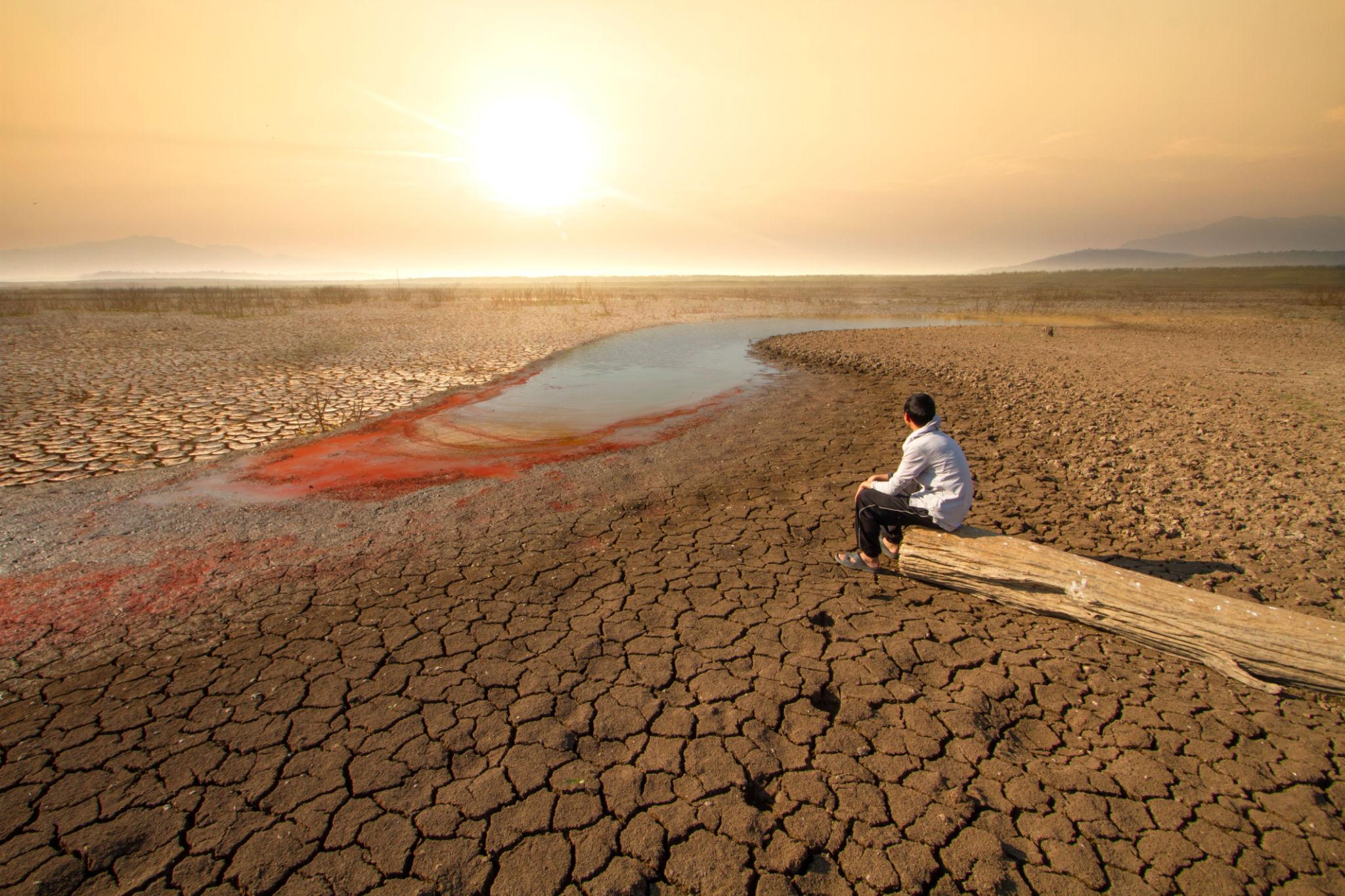
Washington, D.C., 11 June (Parliament Politics Magazine) – El Niño weather forecast models indicate that El Niño conditions are now under way, raising concerns about the potential for weather extremes across several regions of the world. Scientists monitoring ocean temperatures and atmospheric patterns say the climate phenomenon is developing in the tropical Pacific Ocean and could influence weather conditions for months ahead.
El Niño is a naturally occurring climate pattern that develops when sea surface temperatures in parts of the Pacific Ocean become warmer than average. The phenomenon can affect rainfall, temperatures, storm activity, and seasonal weather patterns across multiple continents.
El Niño Conditions Confirmed by Climate Scientists
Climate researchers and meteorological agencies have reported that ocean and atmospheric indicators are consistent with El Niño development. Recent observations show warmer-than-average waters spreading across the central and eastern Pacific, one of the key signals used to identify the climate event.
Scientists note that El Niño events occur every few years and vary in strength. While not every event produces the same impacts, the pattern often shifts weather conditions across large geographic areas.
“Current observations show El Niño conditions are developing and are likely to influence global weather patterns in the coming months,” a climate monitoring spokesperson said in a recent update.
How El Niño Influences Global Weather Patterns
Rising Pacific Ocean Temperatures
The warming of Pacific Ocean waters alters the exchange of heat and moisture between the ocean and atmosphere. These changes can influence jet streams and storm tracks, affecting weather far beyond the Pacific region.
As temperatures rise in the ocean, atmospheric circulation patterns can shift, increasing the likelihood of unusual weather conditions in various parts of the world.
Changes in Atmospheric Circulation
El Niño affects global wind patterns and rainfall distribution. Some regions may experience heavier rainfall and flooding, while others may face reduced precipitation and drought conditions.
Meteorologists emphasize that local impacts can vary significantly depending on geography and seasonal factors.
Regions Most Likely to Experience Weather Extremes
Increased Flood Risks in Some Areas
Historical El Niño events have often been associated with wetter conditions in parts of North and South America. Increased rainfall can elevate the risk of flooding, landslides, and infrastructure disruptions in vulnerable areas.
Drought Concerns in Vulnerable Regions
At the same time, some countries in Southeast Asia and Australia have experienced drier conditions during previous El Niño episodes. Reduced rainfall can affect agriculture, water supplies, and wildfire risks.
Elevated Heat Risks Worldwide
Scientists also warn that El Niño frequently contributes to warmer global temperatures. Combined with ongoing climate warming trends, the phenomenon may increase the likelihood of heat waves in several regions.
“An active El Niño can increase the probability of above-average temperatures globally,” said Dr. Michael Harrington, a climate scientist. “That does not guarantee extreme heat everywhere, but it can raise the overall risk.”
Potential Effects on Agriculture, Energy, and Infrastructure
Farmers, utility providers, and emergency management agencies are closely monitoring the evolving El Niño weather forecast. Changes in rainfall and temperature patterns can affect crop yields, energy demand, transportation networks, and water resource management.
Agricultural producers may need to adjust planting schedules, while energy companies prepare for potential increases in electricity consumption during periods of extreme heat.
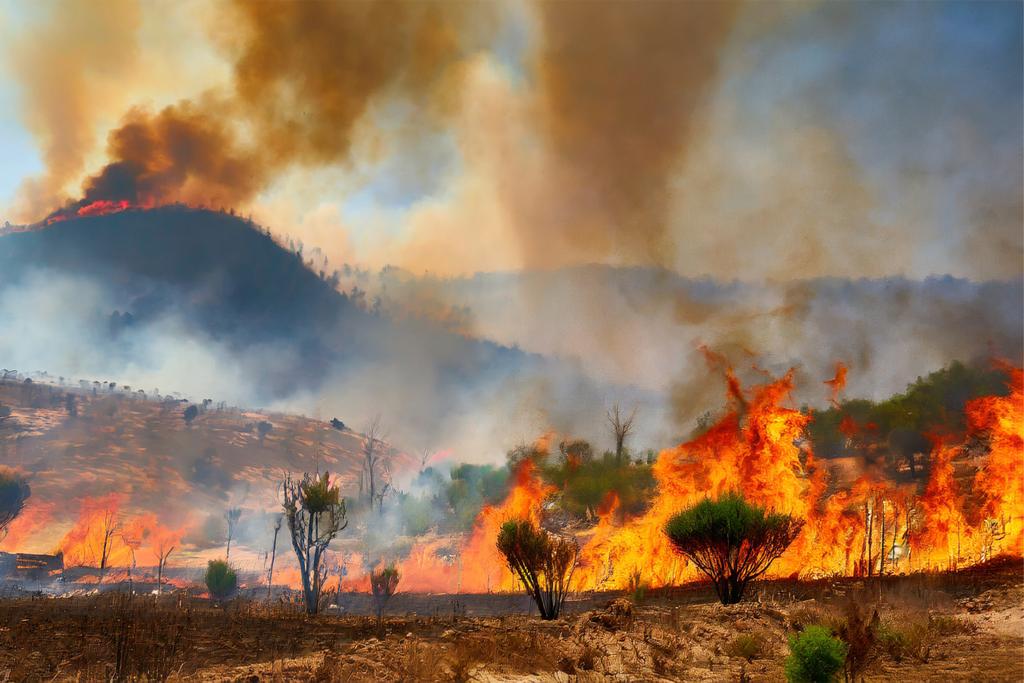
Scientists Monitor Developing Climate Conditions
Current Forecast Models and Projections
Forecast models suggest El Niño conditions could persist through the coming seasons. Researchers continue to analyze ocean temperatures, trade winds, and atmospheric data to assess the event’s potential strength.
Factors That Could Influence El Niño Strength
Several environmental factors can affect how strongly El Niño develops. Scientists caution that forecasts may evolve as new data becomes available, making ongoing monitoring essential.
Seasonal Outlook for the Months Ahead
Weather agencies are expected to issue updated seasonal outlooks as conditions continue to develop. Communities, businesses, and governments are being encouraged to review preparedness plans and stay informed through official forecasts.
While uncertainties remain, experts agree that El Niño has the potential to influence weather conditions across large parts of the world during the remainder of the year.
Looking Ahead
The developing El Niño climate pattern is being closely monitored by weather agencies and climate scientists worldwide due to its potential influence on seasonal weather conditions. According to the latest El Niño weather forecast, the phenomenon may increase the likelihood of above-average temperatures, heavy rainfall, flooding, and drought in different regions depending on local climate factors.
Experts say ongoing observations of Pacific Ocean temperatures and atmospheric conditions will help refine forecasts and provide updated guidance for governments, businesses, and communities in the months ahead.