

Europe, February 2, 2026, Parliament News notes, that Europe is undergoing one of the most profound transformations in its modern industrial history. Transportation, long dependent on fossil fuels, is being reshaped by climate commitments, technological innovation, and changing consumer expectations. At the center of this transformation is the electric vehicle market Europe, which has moved from a niche experiment to a strategic pillar of economic and environmental policy.
Over the past decade, electric mobility has evolved from a marginal concept into a mainstream solution embraced by governments, automakers, and citizens alike. Rising fuel prices, stricter emissions regulations, and urban air quality concerns have accelerated adoption across the continent. Europe’s unique mix of regulatory coordination and national diversity has created both challenges and opportunities, shaping a market that differs markedly from those in North America and Asia.
This article explores the forces driving Europe’s electric mobility transition, the structure of the industry, consumer behavior, policy frameworks, infrastructure development, and future prospects. It also examines how the electric vehicle market Europe fits into the broader global race toward decarbonization and technological leadership.
Policy and Regulation as Market Catalysts
European governments have played a decisive role in accelerating electric vehicle adoption. Unlike regions where market forces dominate, Europe’s transition has been heavily guided by regulation. Emissions targets established by the European Union have forced automakers to rethink product portfolios, invest in electrification, and abandon long-standing internal combustion strategies.
Fleet-wide carbon dioxide limits, combined with penalties for non-compliance, have turned electric models from optional offerings into strategic necessities. National governments have reinforced these pressures through incentives such as purchase subsidies, tax exemptions, congestion-charge relief, and preferential parking.
The electric vehicle market Europe has benefited from this multi-layered policy environment, where EU-level directives align broadly with national objectives. However, regulatory fragmentation still exists, with incentive levels and charging standards varying across countries. Despite this, the overall direction remains consistent: internal combustion engines are being phased out, while electric mobility is being normalized.
Industrial Strategy and Manufacturing Shifts
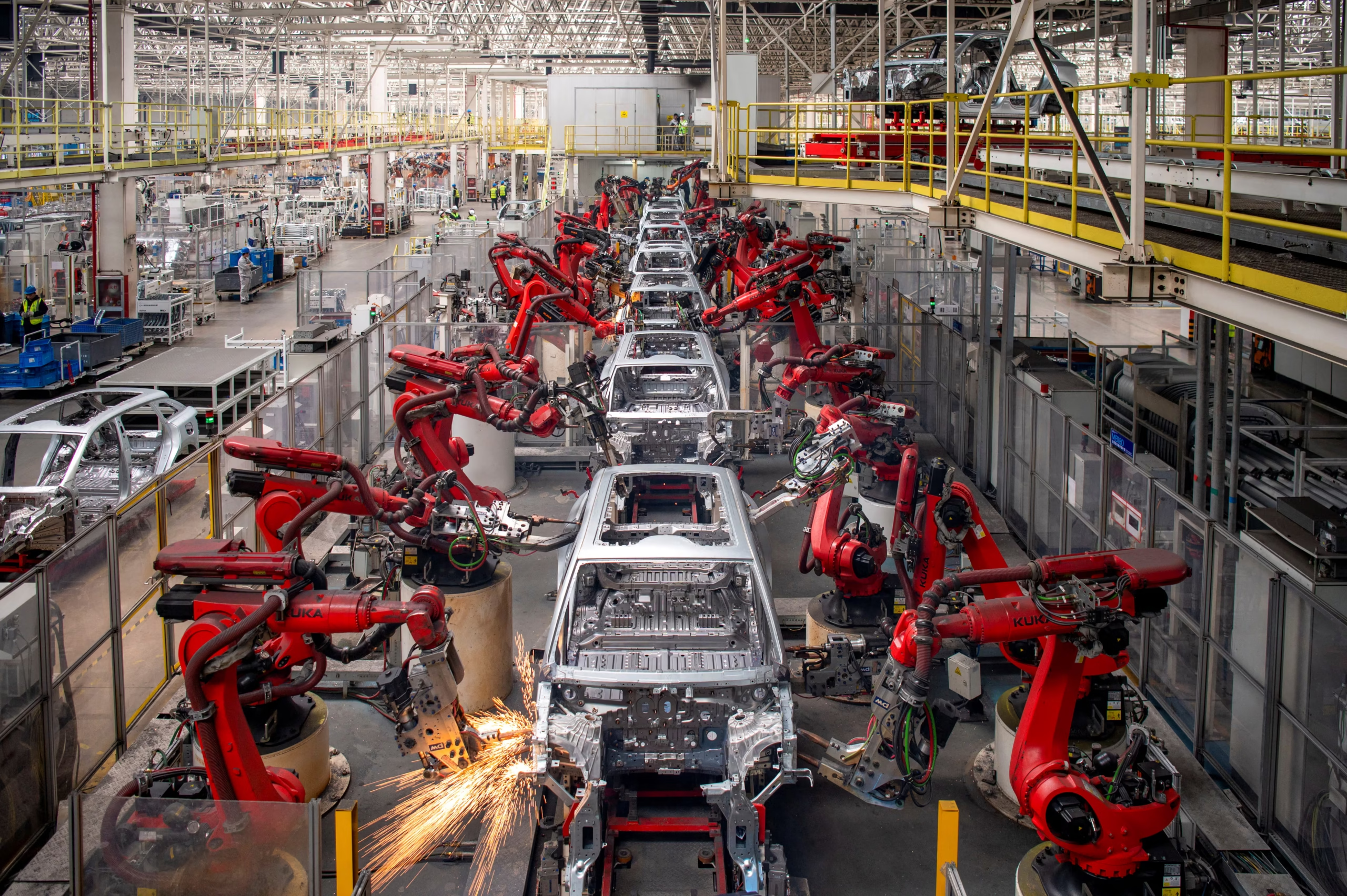
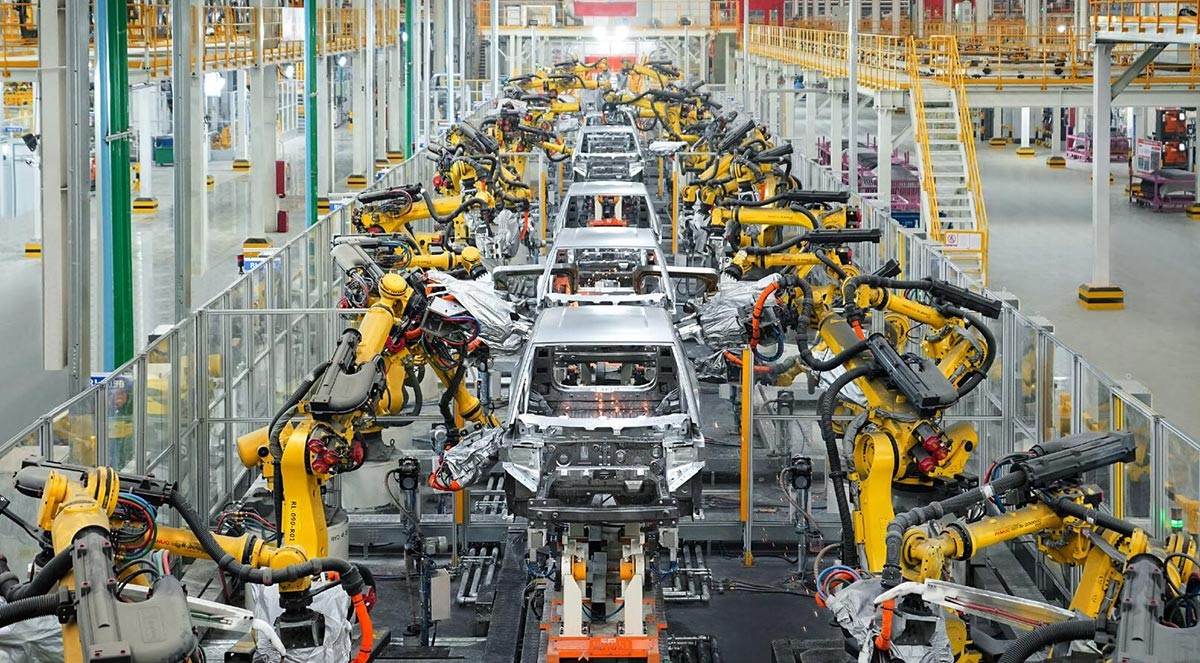
Europe’s automotive industry is one of the largest employers on the continent, making electrification not only an environmental issue but also an economic one. Traditional manufacturers have had to balance innovation with workforce stability, retooling factories while preserving jobs.
Major European automakers have invested billions in battery production, software platforms, and modular electric architectures. Supply chains are being redesigned to reduce dependence on imported components, particularly batteries and rare earth materials. This industrial recalibration has strengthened the electric vehicle market Europe by anchoring production closer to demand centers.
At the same time, new entrants have disrupted the market, challenging legacy brands on software integration, charging speed, and user experience. Competition has intensified, leading to faster innovation cycles and broader consumer choice.
Charging Infrastructure and Grid Integration
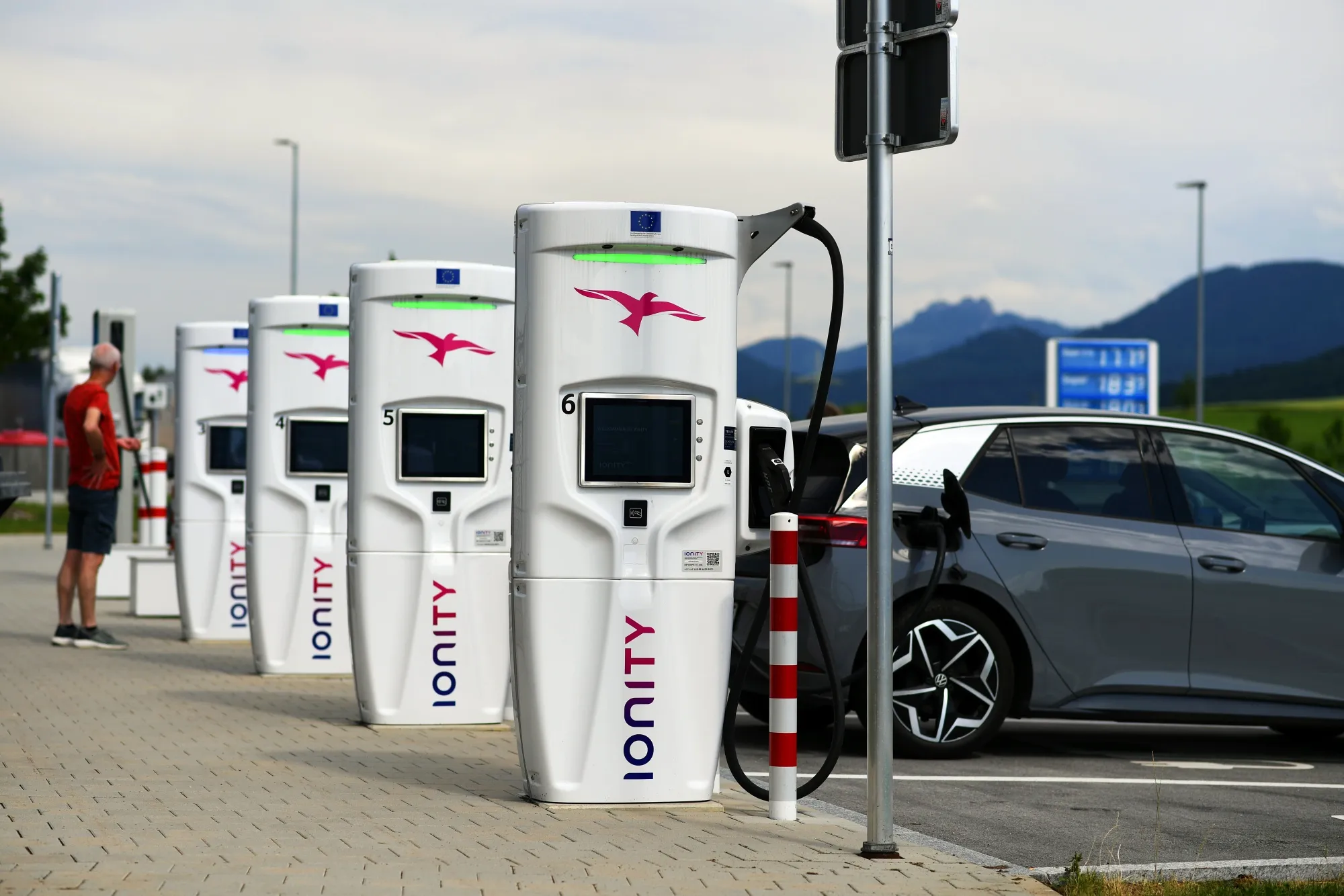
Infrastructure availability remains one of the most critical factors shaping electric vehicle adoption. Europe has made substantial progress in deploying public and private charging points, particularly in urban areas and along major transport corridors.
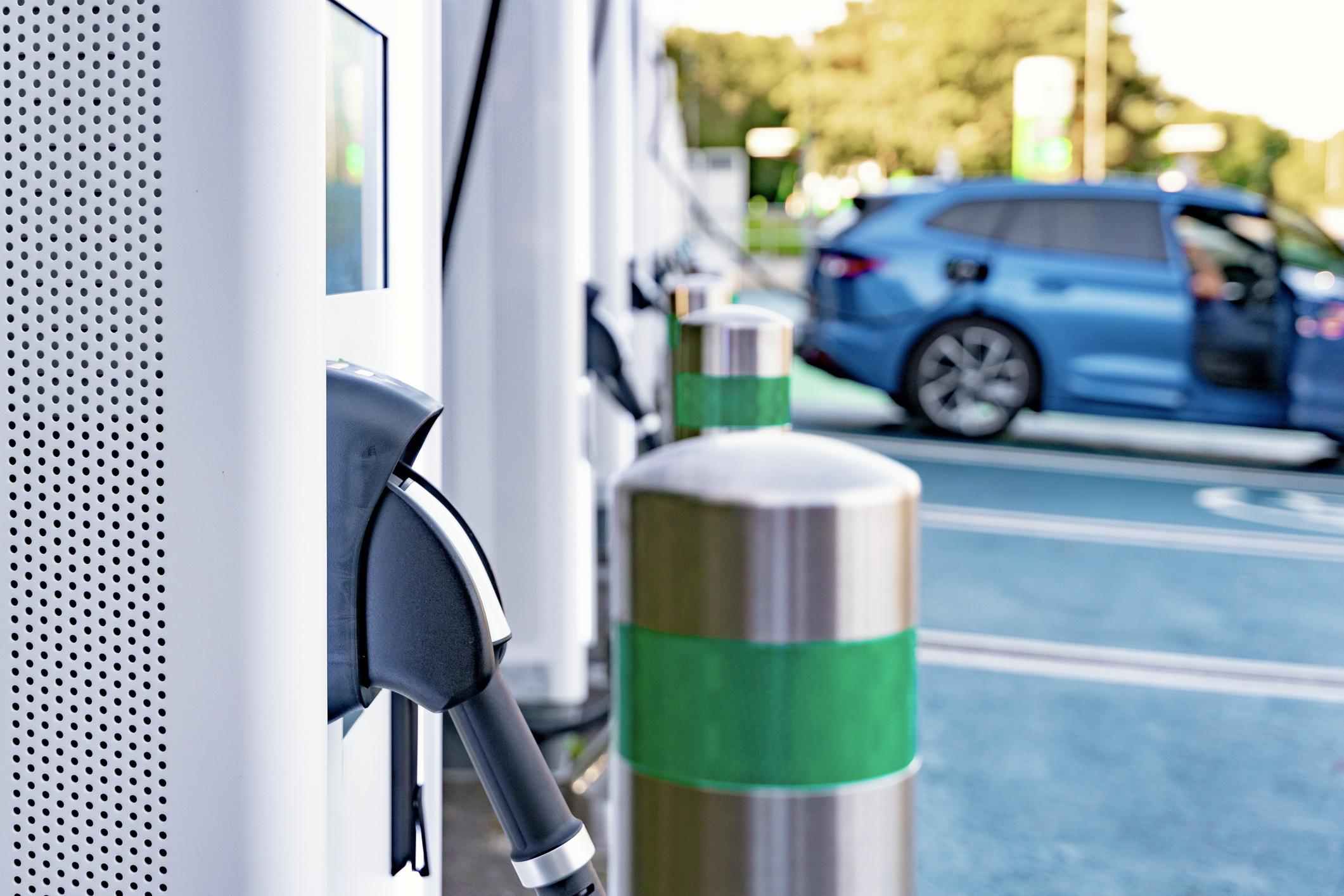
Fast-charging networks now connect major cities, enabling long-distance travel that was once considered impractical for electric vehicles. Residential charging, especially in apartment-dense cities, remains a challenge, prompting new solutions such as curbside chargers and shared charging hubs.
The electric vehicle market Europe is closely linked to energy system modernization. Grid operators are integrating smart charging, load balancing, and renewable energy sources to ensure that increased electricity demand does not strain infrastructure. Electric vehicles are increasingly viewed not only as consumers of power but also as potential storage assets within a flexible energy ecosystem.
Consumer Behavior and Cultural Shifts
European consumers have historically been pragmatic when it comes to vehicle ownership, prioritizing efficiency, safety, and long-term cost over raw performance. This mindset has favored electric vehicles as total cost of ownership becomes more competitive with conventional cars.
Early adopters were often environmentally motivated, but mainstream buyers are now driven by practical considerations such as fuel savings, urban driving restrictions, and resale value. The normalization of electric vehicles has reduced perceived risk, while expanded model availability has addressed concerns about size, range, and design.
In many countries, electric vehicles have become symbols of modern urban living. This cultural acceptance has reinforced the growth of the electric vehicle market Europe, making electrification not just a regulatory requirement but a social trend.
Market Segmentation and Regional Differences
Europe is not a single market but a collection of diverse national markets with distinct characteristics. Northern European countries have led adoption rates, supported by generous incentives, strong environmental awareness, and high purchasing power. Southern and Eastern regions have progressed more slowly, constrained by income levels and infrastructure gaps.
Despite these differences, convergence is accelerating. As vehicle prices decline and charging infrastructure expands, adoption barriers are gradually being removed. Fleet electrification, particularly in corporate and public sectors, has played a crucial role in balancing regional disparities within the electric vehicle market Europe.
Urban-rural divides remain significant, but policy efforts increasingly target equitable access, recognizing that electrification must extend beyond major cities to achieve climate goals.
Environmental Impact and Lifecycle Considerations
Electric vehicles are often evaluated through the lens of tailpipe emissions, but their true environmental impact depends on lifecycle analysis. Europe’s relatively clean electricity mix, which includes substantial renewable and nuclear generation, enhances the emissions benefits of electrification.
Battery production remains energy-intensive, but advances in recycling, second-life applications, and material efficiency are reducing environmental costs. Policymakers are increasingly focusing on sustainability standards across the value chain, from mining to end-of-life disposal.
These considerations influence public perception and policy legitimacy, reinforcing long-term confidence in the electric vehicle market Europe as a credible climate solution rather than a transitional compromise.
Quoted Perspective on Market Momentum
One industry analyst summarized the transition clearly, stating:
“Europe’s electric vehicle transition is no longer driven by enthusiasm alone; it is sustained by regulation, infrastructure, and consumer trust working together.”
This assessment reflects how institutional support and market maturity have stabilized growth, making reversals increasingly unlikely.
Challenges and Structural Constraints
Despite strong momentum, significant challenges remain. Battery supply constraints, raw material dependency, and geopolitical risks pose ongoing concerns. Europe’s reliance on imported lithium and rare earth elements exposes vulnerabilities that could affect pricing and production stability.
Affordability remains a critical issue, particularly for lower-income households. While total ownership costs are improving, upfront prices still limit access for many consumers. Addressing this gap is essential for the inclusive expansion of the electric vehicle market Europe.
Infrastructure deployment also faces bureaucratic delays, grid bottlenecks, and local opposition in some regions. These obstacles require coordinated planning and long-term investment strategies.
Innovation, Software, and Digital Integration
Modern electric vehicles are increasingly defined by software rather than hardware. Over-the-air updates, driver-assistance systems, and connectivity features have become key differentiators in the European market.
This shift has encouraged partnerships between automakers, technology firms, and energy providers. Data management, cybersecurity, and user privacy have emerged as strategic priorities, shaping regulatory discussions alongside vehicle safety.
The software-centric nature of electric vehicles enhances the scalability and adaptability of the electric vehicle market Europe, enabling continuous improvement long after vehicles leave the factory.
Global Competition and Strategic Positioning
Europe operates within a highly competitive global landscape. Asian manufacturers dominate battery production, while American firms have led in software and charging innovation. Europe’s response has been to emphasize regulatory leadership, sustainability standards, and integrated industrial policy to strengthen the electric vehicle market Europe.
Trade policies, carbon border adjustments, and local content requirements are increasingly used to protect domestic industry while maintaining openness. The success of the electric vehicle market Europe will depend on balancing competitiveness with collaboration in an interconnected global economy.
Workforce Transformation and Skills Development
Electrification is reshaping employment across the automotive value chain. While electric vehicles require fewer mechanical components, they demand new skills in electronics, software, and systems integration.
European governments and industry groups have invested in reskilling programs to manage this transition responsibly. Workforce adaptation is essential not only for economic stability but also for maintaining innovation capacity within the electric vehicle market Europe.
Failure to address skills gaps could slow adoption and weaken Europe’s industrial base.
Long-Term Outlook and Structural Permanence
The trajectory of electric mobility in Europe suggests structural permanence rather than cyclical fluctuation. Regulatory deadlines for combustion engine bans, combined with infrastructure lock-in and consumer normalization, indicate that electrification is irreversible.
Market growth rates may fluctuate, but the strategic direction remains fixed. The electric vehicle market Europe is evolving from a growth story into a foundational component of the continent’s transport and energy systems.
History of Electric Mobility Development in Europe
The roots of Europe’s electric vehicle journey extend further back than many realize. Early electric cars appeared in European cities in the late nineteenth century, valued for their quiet operation and mechanical simplicity. However, limited battery technology and the rise of inexpensive petroleum sidelined these early innovations.
Interest resurfaced during oil crises in the twentieth century, but it was not until climate change emerged as a political priority that electric mobility gained lasting traction. European research programs, pilot fleets, and urban air-quality initiatives laid the groundwork for what would later become the modern electric vehicle market Europe.
This historical continuity underscores that today’s transition is not sudden, but the culmination of decades of experimentation, policy learning, and technological progress.
A Defining Chapter for Europe
Europe’s electric mobility transformation represents more than a shift in vehicle technology. It reflects a broader reimagining of energy use, industrial strategy, and urban life. The alignment of policy, industry, and society has positioned the electric vehicle market Europe as a global reference point for managed, large-scale transition.
While challenges persist, the foundations of the electric vehicle market Europe are strong. Continued investment, inclusive policies, and technological innovation will determine how equitably and efficiently this transformation unfolds. What is clear is that electric mobility is no longer an alternative path for Europe—it is the road ahead.