
Tel Aviv / Northern Israel, March 26, 2026 (Parliament Politics Magazine) energy price surge conflict is now at the center of global concern as a missile intercepted over Tel Aviv and a deadly strike in northern Israel coincide with the resignation of a senior counterterrorism official protesting US military actions against Iran.
The combination of military escalation and internal dissent is sending shockwaves through global markets and political systems, raising fears of a broader geopolitical crisis.
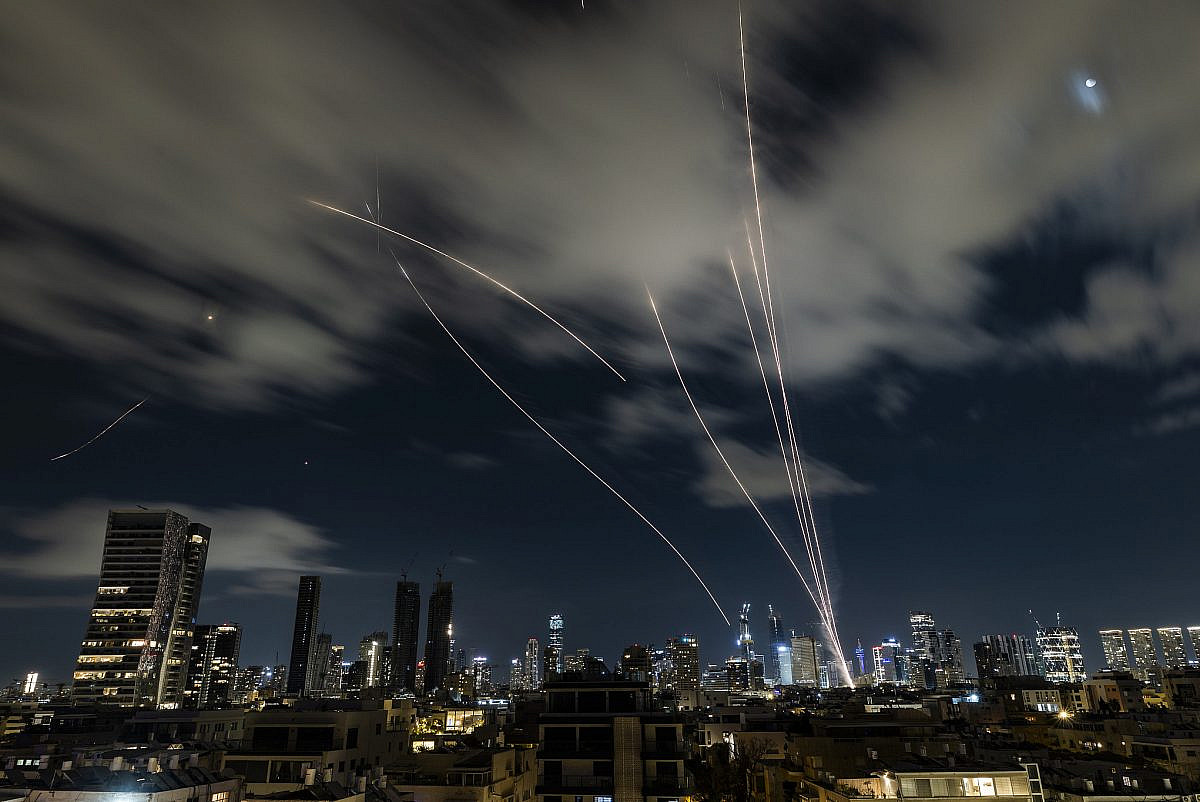
Missile Interception Signals Escalating Conflict
The successful interception of a missile over Tel Aviv prevented major destruction, but it also highlighted the growing intensity of hostilities in the region.
The attack comes amid rising tensions linked to the energy price surge conflict, as disruptions and uncertainty continue to impact global supply chains and fuel markets.
A regional defense expert stated:
“This is no longer a contained situation. The missile intercepted over Tel Aviv reflects a rapidly escalating conflict with global consequences.”
Top Counterterrorism Official Resigns in Protest
In a significant development, a top counterterrorism official has resigned, citing opposition to the United States’ handling of the conflict with Iran.
Sources suggest the resignation was driven by concerns that current strategies could worsen the energy price surge conflict and destabilize global security systems.
An insider close to the situation noted:
“The resignation reflects serious concerns about long-term consequences—not just militarily, but economically.”
Deadly Strike in Northern Israel Raises Alarm
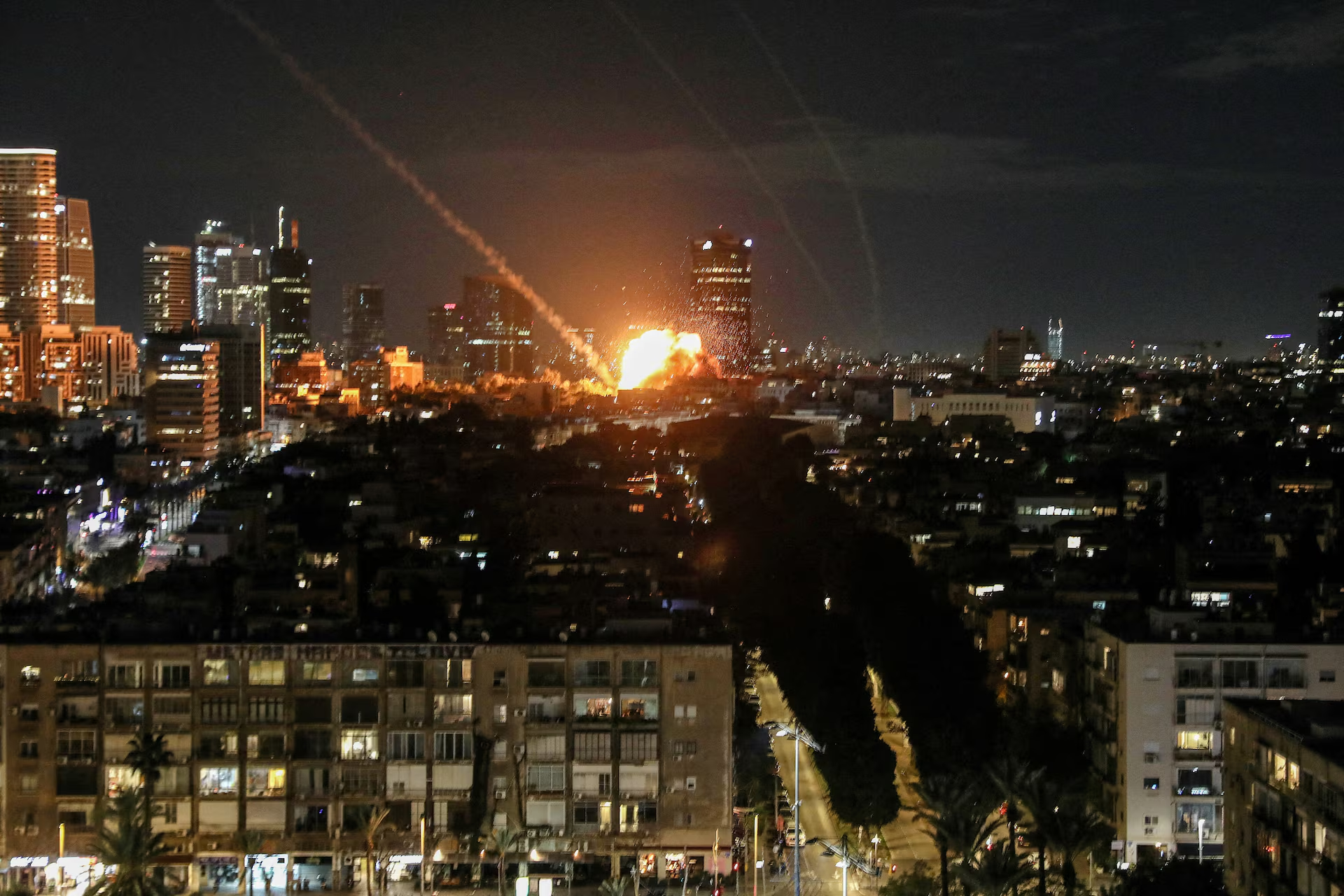
While the missile intercepted over Tel Aviv dominated headlines, a deadly strike in northern Israel has intensified fears of further escalation.
Authorities are assessing casualties and damage as the situation remains volatile. The attack is seen as part of a broader pattern linked to the energy price surge conflict, where military actions are increasingly tied to economic and strategic pressures.
US-Iran War Driving Global Instability
At the core of the crisis is the escalating confrontation between the United States and Iran. Analysts warn that this conflict is fueling the energy price surge conflict, with ripple effects across global markets.
Key concerns include:
- Expansion of military engagements
- Increased risk to oil supply routes
- Escalation of proxy conflicts
- Heightened geopolitical tensions
The growing link between military actions and economic consequences is becoming increasingly evident.
Global Markets React to Energy Price Surge Conflict
Financial markets are already showing signs of stress as the energy price surge conflict deepens. Oil prices have become volatile, reflecting fears of supply disruptions and prolonged instability.
Economic experts warn that:
- Fuel prices could rise sharply
- Inflation may accelerate globally
- Developing nations could face severe economic strain
A global market analyst commented:
“The energy price surge conflict is reshaping economic forecasts worldwide. The impact is immediate and far-reaching.”
International Response Remains Uncertain
Global leaders are calling for restraint and diplomatic solutions, but divisions remain over how to address the crisis.
The energy price surge conflict has added urgency to international discussions, with the United Nations expected to play a key role in mediating tensions.
Key developments include:
- Emergency diplomatic meetings
- Calls for de-escalation
- Increased military readiness in affected regions
Despite these efforts, the path forward remains unclear.
Security Experts Warn of Long-Term Risks
The resignation of a senior counterterrorism official has intensified concerns about the long-term impact of the energy price surge conflict on global security.
Experts warn that continued escalation could:
- Undermine counterterrorism cooperation
- Increase vulnerability to extremist threats
- Strain international alliances
These risks highlight the broader implications of the crisis beyond immediate military actions.
A Region on the Brink
The Middle East is now facing one of its most volatile periods in recent history. The energy price surge conflict, combined with ongoing military actions, suggests that the region may be approaching a critical tipping point.
Observers warn that without immediate intervention, the conflict could expand, drawing in additional countries and increasing global instability.
What Comes Next?
As the energy price surge conflict continues to unfold, attention is focused on the next steps by global leaders.
Key questions include:
- Will diplomatic efforts succeed in reducing tensions?
- Could additional resignations signal deeper internal divisions?
- How will global markets respond to prolonged instability?
The coming days will be crucial in shaping the future of the crisis.
Energy Price Surge Conflict Signals Global Crisis
The energy price surge conflict, combined with the missile intercepted over Tel Aviv and the resignation of a top counterterrorism official, marks a turning point in the escalating US-Iran war.
These developments highlight the growing connection between military conflict and economic disruption, raising the risk of a broader global crisis. As tensions intensify, the world faces increasing uncertainty and potential long-term consequences.