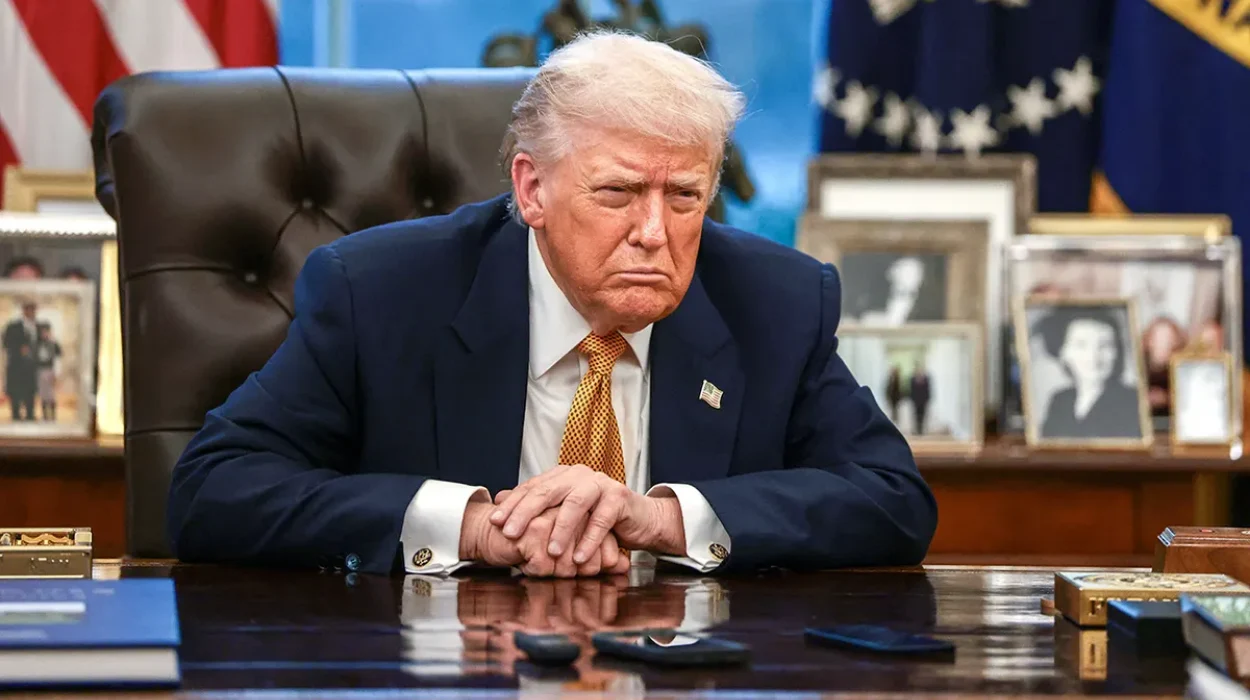
Brussels (Parliament Politics Magazine) January 18, 2026 – EU ambassadors are convening an emergency meeting today following renewed escalation by US President Donald Trump on acquiring Greenland from Denmark. Cyprus, holding the EU presidency, called the 5 p.m. Brussels session after Trump threatened 10% tariffs rising to 25% on eight European nations. Protests drew 3,500 in Copenhagen and Nuuk, while the White House outlined oversight plans, straining transatlantic ties.
President Donald Trump has intensified his administration’s interest in Greenland, prompting swift diplomatic reactions across Europe. EU ambassadors from all 27 member states scheduled an urgent summit in Brussels to coordinate responses after Trump’s tariff threats linked to Arctic sovereignty. Demonstrations in Denmark and Greenland reflected widespread opposition, with crowds rallying under “Hands off Greenland” banners.
Trump Reiterates Strategic Interest in Greenland Acquisition
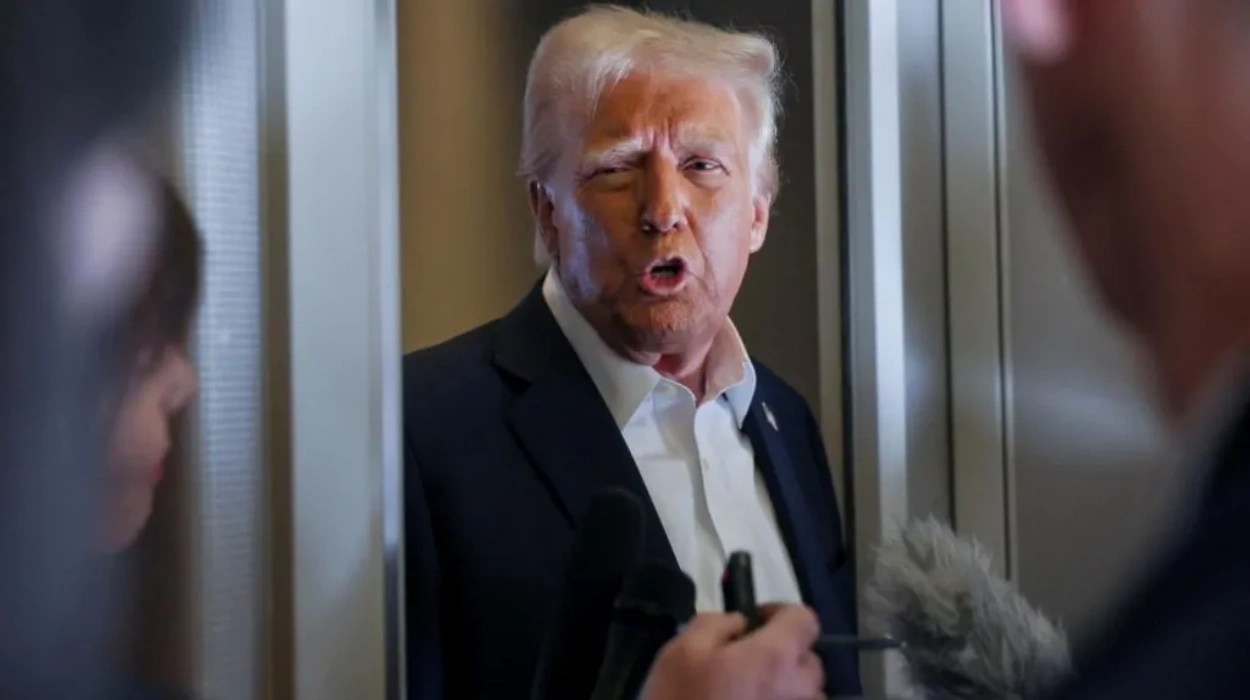
President Trump first expressed interest in purchasing Greenland during his initial term, citing national security and resource needs. Recent Truth Social posts revived these plans, threatening tariffs from February 1 on Denmark, Norway, Sweden, France, Germany, the UK, Netherlands, and Finland unless a deal materialises.
As reported by Reuters journalists on January 17, 2026, Trump specified 10% initial levies rising to 25% by June 1, payable until “Complete and Total purchase of Greenland.”
The announcement aligned with broader US foreign policy under Trump’s second term, inaugurated in January 2025. Danish officials rejected the overtures, affirming Greenland’s status within the Kingdom of Denmark. Protests in Nuuk and Copenhagen featured flags and chants against interference.
Defence experts note Greenland’s Thule Air Base supports US missile systems, a factor in Trump’s revival of 2019 proposals. The White House framed the push amid Arctic competition from Russia and China.
EU Ambassadors Schedule Emergency Diplomatic Summit
Cyprus, in its six-month EU presidency rotation, announced the meeting late Saturday for 5 p.m. Brussels time (1600 GMT). EU diplomats confirmed the closed-door session would address tariff implications and NATO dynamics, given Greenland’s defence role.
This follows preparatory talks among foreign ministries. Denmark sought EU solidarity, with Brussels stressing sovereignty indivisibility. The summit echoes prior unity efforts post-Trump’s reelection.
Defence monitor NOELREPORTS provided real-time updates on the convening.
NOELREPORTS 🇪🇺 🇺🇦 (@NOELreports) said in X post,
“EU ambassadors will hold an emergency meeting Sunday after Donald Trump threatened escalating tariffs on European allies until the US is allowed to buy Greenland. Cyprus, which currently holds the EU presidency, called the meeting, set for 5 p.m. Brussels time, according to Reuters. #Greenland”
EU ambassadors will hold an emergency meeting Sunday after Donald Trump threatened escalating tariffs on European allies until the US is allowed to buy Greenland. Cyprus, which currently holds the EU presidency, called the meeting, set for 5 p.m. Brussels time, according to… pic.twitter.com/5qnJ8OcJYj
— NOELREPORTS 🇪🇺 🇺🇦 (@NOELreports) January 17, 2026
Protests Erupt Across Denmark and Greenland Territories
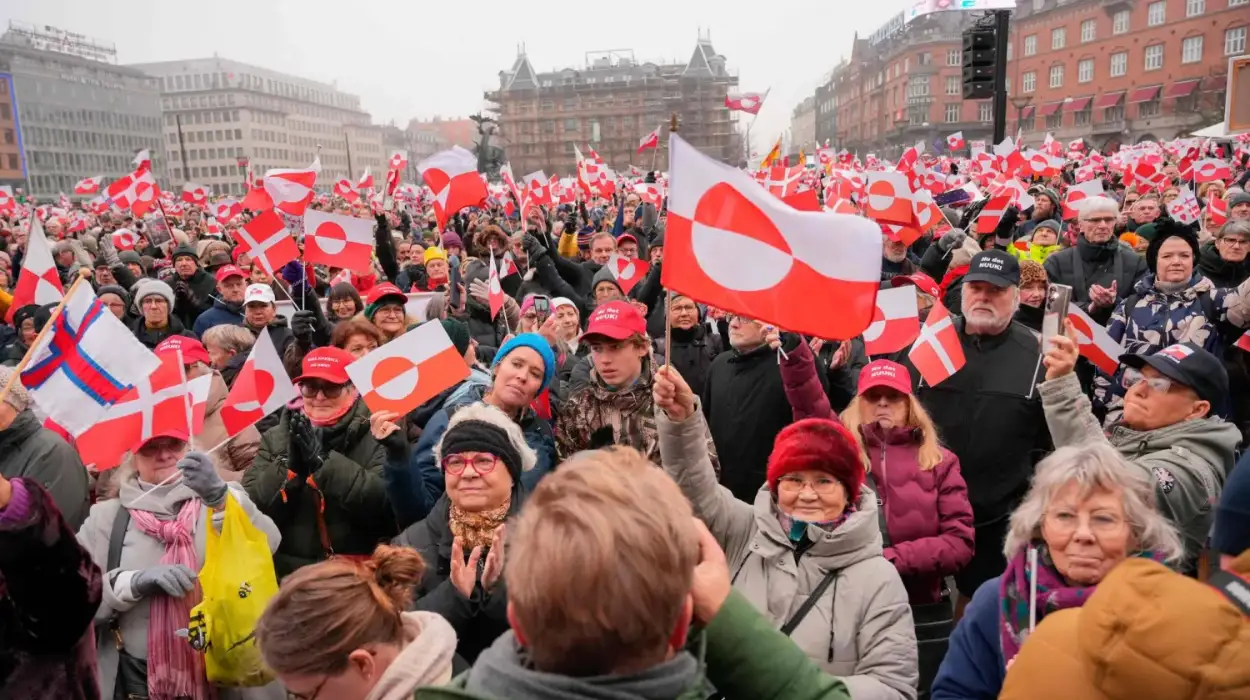
Thousands participated in “Hands off Greenland” rallies in Copenhagen on January 17, organised by indigenous groups and environmental advocates. Demonstrators waved Danish and Greenlandic flags, opposing any sale or transfer discussions. Similar actions occurred in Nuuk, where local leaders addressed crowds on self-determination rights.
Police reported peaceful gatherings despite large turnouts estimated at 3,500 in the Danish capital. Protest coordinators linked the events to Trump’s public pressure tactics. Greenland’s premier, Múte B. Egede, addressed supporters, reiterating the island’s non-negotiable status.
White House Outlines Temporary Oversight Framework
The Trump administration revealed plans for a transitional board to manage Greenland under potential US control. This body would handle administration during negotiations, according to White House briefings covered by Euronews. Trump described the move as essential for countering rival influences in the Arctic.
Danish Prime Minister Mette Frederiksen dismissed the framework as unilateral and unwelcome. She convened her cabinet for crisis talks post-announcement. The proposal echoes Trump’s past real estate approaches, adapted to geopolitical contexts.
Trump’s Stance on Greenland Sovereignty Claims
President Trump positioned Greenland acquisition as a cornerstone of US Arctic strategy. In statements relayed through official channels, he highlighted mineral resources, rare earth elements, and military positioning advantages. Trump argued Denmark lacks capacity to defend the territory adequately against emerging threats.
The stance builds on 2019 overtures, where Trump proposed a purchase deal outright. Current escalations include linking trade policies to compliance. As noted in Euronews bulletins, Trump warned of reciprocal tariffs on EU imports should opposition persist.
Greenland hosts the US Thule Air Base, integral to missile defence systems. Trump emphasised expanding operations there for hemispheric security. Danish negotiators previously rebuffed similar expansions.
Danish Government Rejects US Proposals Outright
Copenhagen issued formal demarches to Washington, rejecting sovereignty discussions. Foreign Minister Lars Løkke Rasmussen called the threats “unacceptable interference”. The government invoked international law on self-determination for Greenland’s 56,000 residents.
Public opinion polls in Denmark showed overwhelming opposition, with 85% against any deal. Greenlandic lawmakers passed a resolution affirming autonomy. Relations with the US remain strong otherwise, complicated by this flashpoint.
Transatlantic Trade Threats Escalate Tensions
Trump’s tariff warnings targeted Denmark and supportive EU states directly. He specified levies on agricultural exports and manufactured goods. Economists noted potential impacts on bilateral trade volumes exceeding €10 billion annually.
EU Trade Commissioner Valdis Dombrovskis prepared countermeasures, pending ambassadorial outcomes. The threats recall Trump’s first-term steel and aluminium duties. Brussels views them as leverage tactics in the Greenland dispute.
Protester Demands and Local Leadership Responses
Copenhagen rally leaders demanded EU intervention guarantees. Indigenous representatives from Greenland stressed cultural preservation imperatives. Protests remained non-violent, monitored by heightened security.
Nuuk’s assembly debated emergency measures, including international appeals. Egede urged global recognition of Greenlandic rights. Demonstrations planned extensions through the ambassador summit.
Historical Context of US-Greenland Relations
US interest dates to World War II, with Thule Base established in 1951. Past offers to buy Greenland occurred in 1946 and 1867. Trump’s revival frames it within climate change and great power competition.
Denmark granted Greenland home rule in 1979, extended in 2009. The territory controls resources but relies on Danish block grants. Population demographics feature Inuit majorities.
Arctic Geopolitics Underpin Renewed Push
Ice melt opens routes and resources, attracting rivals. Pentagon stresses Greenland’s relay positions. NATO debates burden-sharing.
European Council President Antonio Costa outlined EU resolve amid reactions.
GeoInsider (@InsiderGeo) said in X post,
“JUST IN: European Council President Antonio Costa reacts to Trump’s Greenland statements, saying the EU is coordinating a joint response and “will always be determined to defend international law.””
JUST IN: European Council President Antonio Costa reacts to Trump’s Greenland statements, saying the EU is coordinating a joint response and “will always be determined to defend international law.”
— GeoInsider (@InsiderGeo) January 17, 2026
UK’s Stance on Greenland
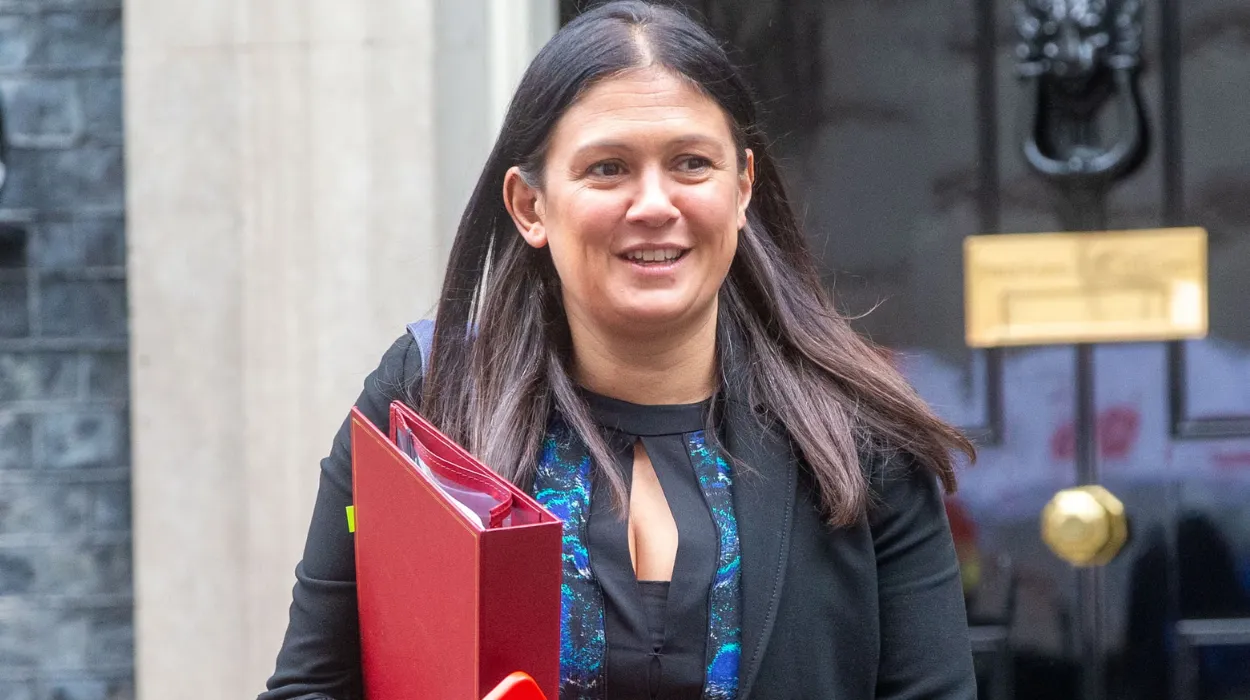
Britain has reiterated that its position on Greenland is “non-negotiable,” UK Culture Secretary Lisa Nandy has stated. Her remarks came after US President Donald Trump increased pressure on Britain, threatening to impose tariffs until a deal is reached for the US to acquire Greenland.
Nandy echoed comments made by Prime Minister Keir Starmer, telling Sky News that the decision to threaten tariffs was “completely wrong.” She declined to elaborate on how the UK government might respond, including whether it could impose its own tariffs or delay the King’s state visit to the United States.
International Reactions Beyond Europe
Canada expressed concerns over Arctic precedents. Russia mocked the overtures via state media. China remained silent, focused on its own polar investments.
UN frameworks on indigenous rights gained mentions in protests. Nordic Council planned a joint statement.
Why Trump Wants Greenland Under US Control
Strategic resources drive Trump’s pursuit, including vast rare earth deposits critical for technology and defence. Greenland holds 25% of global reserves, per geological surveys. Control secures supply chains against adversaries.
Military advantages loom large, with Thule enabling hypersonic missile monitoring. Trump seeks basing expansions for next-generation assets. Climate shifts amplify route dominance from Nuuk to the pole.
Economic incentives include untapped oil, gas, and uranium. Trump’s administration eyes revenue streams funding autonomy. Population sparsity eases integration claims.
Diplomatic leverage features prominently, pressuring Denmark on NATO spending. Tariffs serve as enforcement tools. Historical precedents bolster legal arguments in Trump’s view.
Trump Approval Rating
Recent polls indicate President Trump’s approval rating stands at 47% as of January 17, 2026, according to Gallup tracking. The figure reflects a slight dip from 49% pre-inauguration, amid mixed reactions to foreign policy moves including the Greenland initiative. Rasmussen Reports recorded 46% approval, with 52% disapproval, citing economic concerns and international disputes as key factors.
Supporters credit bold diplomacy, while critics highlight alliance strains. The rating remains stable within his second term’s early phase, per RealClearPolitics averages at 45.8%.