

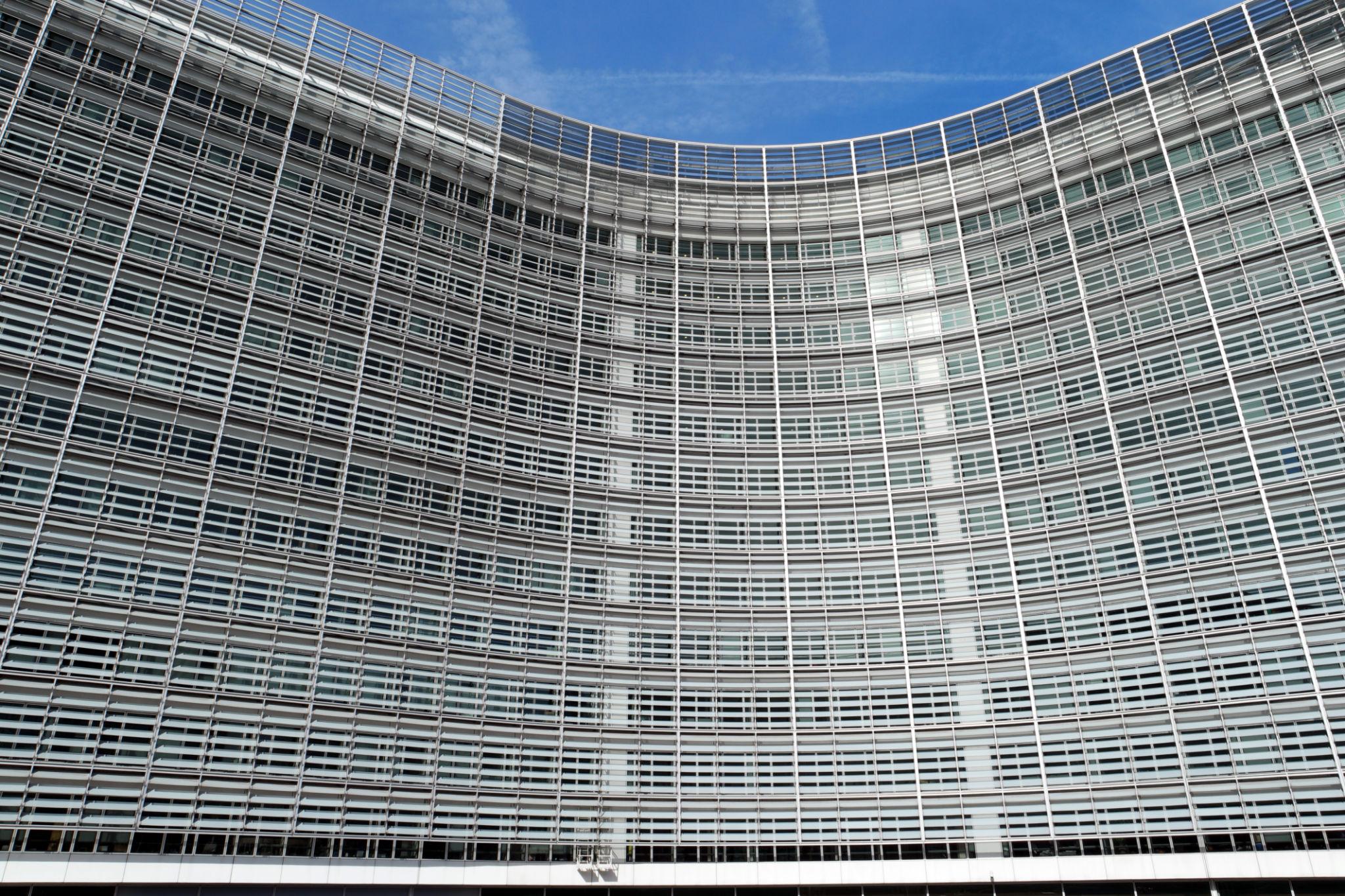
BRUSSELS, Belgium – February 22, 2026, According to Parliament News, that In Brussels in 2026, the EU sanctions policy has emerged as the central issue dominating European diplomacy. Leaders from across the bloc gathered this week to debate whether additional measures targeting Russia should be adopted, revised, or delayed. The discussions come at a time of economic adjustment, political sensitivity, and renewed global uncertainty.
The meeting reflects more than a routine policy review. It represents a broader test of unity and strategic direction. While previous rounds of sanctions were passed with collective resolve, today’s climate is more complex. Economic fatigue, energy concerns, and domestic political pressures are shaping how governments approach the next phase of the EU sanctions policy.
The Evolution of Europe Economic Measures
Since the onset of the Russia Ukraine conflict, the European Union has relied heavily on coordinated restrictions to signal opposition and exert economic pressure. Over multiple phases, financial institutions, energy exports, technology transfers, and individuals have been targeted.
Each expansion required unanimous agreement among member states. This structure ensured cohesion but also highlighted structural constraints. The EU sanctions policy became both a symbol of solidarity and a reflection of diverse national interests.
Initially, the measures were framed as temporary but necessary. As the conflict persisted, they evolved into a longer term strategy aimed at reshaping economic relationships. By 2026, the conversation has shifted from urgency to sustainability.
Current Proposals on the Table
The latest proposals under consideration focus on tightening export controls, expanding asset freezes, and restricting additional sectors linked to energy and advanced technology. Supporters argue that reinforcing pressure is essential to maintain credibility.
However, skeptics question whether further escalation will deliver meaningful strategic change. They contend that earlier packages have already altered trade patterns and prompted Russia to diversify partnerships elsewhere.
Within this context, leaders are assessing whether expanding the EU sanctions policy will strengthen diplomatic leverage or strain internal stability.
Economic Consequences Across Member States
Sanctions have reshaped Europe’s economic landscape. Energy costs surged during earlier phases, prompting emergency subsidies and fiscal interventions. While prices have moderated, long term adjustments remain underway.
Manufacturers in Central Europe report rising operational expenses due to supply chain realignments. Agricultural exporters face shifting demand as trade flows adjust. Financial institutions have navigated regulatory complexities tied to compliance.
For smaller economies, the costs are particularly visible. Policymakers argue that safeguarding economic resilience must remain a priority as the EU sanctions policy evolves.
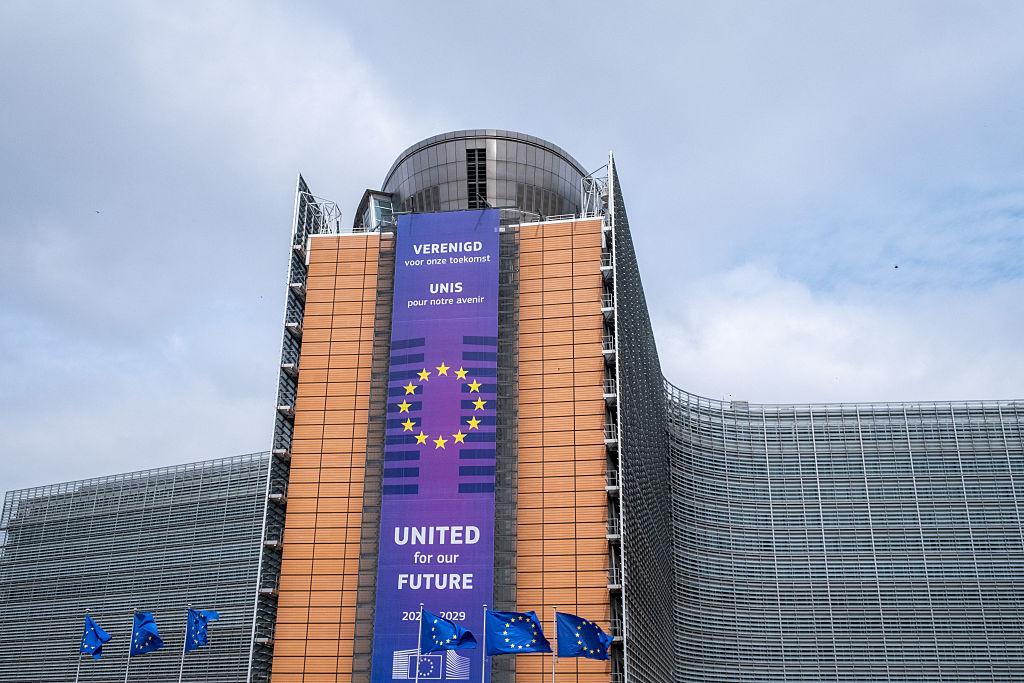
Energy Security as a Strategic Variable
Energy dependency continues to influence the debate. Although several member states have reduced reliance on Russian gas through liquefied natural gas imports and renewable investments, infrastructure gaps persist.
Countries with pipeline connections face structural constraints. Transitioning supply routes involves not only new contracts but also technical upgrades and long term financing.
As a result, the EU sanctions policy intersects directly with energy planning. Officials emphasize diversification as a strategic imperative, yet acknowledge that transitions cannot occur overnight without economic consequences.
Political Dynamics Within the Union
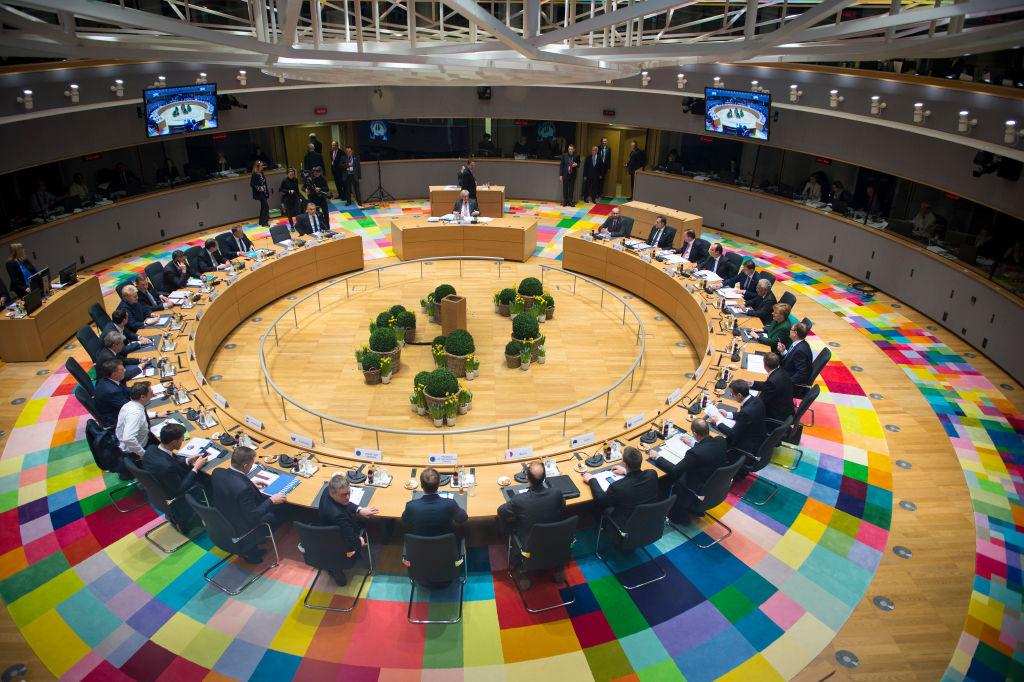
The European Union operates on consensus for foreign policy decisions. This requirement ensures legitimacy but complicates swift action. Diverging economic exposures create differing political calculations.
Some Eastern and Northern European nations advocate maintaining firm measures, citing security concerns and the importance of deterrence. Others emphasize protecting domestic industries and shielding consumers from additional cost pressures.
This dynamic illustrates the balancing act inherent in shaping the EU sanctions policy. Collective goals must coexist with national realities.
Diplomatic Significance Beyond Europe
The global community is closely observing developments in Brussels. The United States and allied partners have coordinated sanctions frameworks, reinforcing transatlantic alignment. Any shift in European posture carries symbolic weight internationally.
Russia, meanwhile, has adjusted trade strategies by expanding ties with Asian and Middle Eastern markets. Analysts note that sanctions reshape global economic geography, encouraging alternative supply chains.
Thus, the EU sanctions policy functions not only as a regional instrument but also as a component of broader geopolitical strategy.
Public Sentiment and Electoral Considerations
Domestic opinion varies widely across member states. In countries geographically closer to the conflict zone, public support for continued pressure remains relatively strong. In states facing inflation and slower growth, skepticism has grown.
Elections scheduled in several EU nations during 2026 amplify political sensitivity. Leaders must consider how policy decisions resonate with voters concerned about affordability and job security.
Public debate has shifted from moral urgency to practical outcomes. The effectiveness of the EU sanctions policy is increasingly measured not only by external impact but also by internal cost.
Institutional Constraints and Legal Oversight
Every sanctions package undergoes detailed legal scrutiny to ensure compliance with European treaties and international law. Implementation relies on regulations binding across all member states.
Legal experts caution that expanding measures requires careful drafting to avoid unintended loopholes or enforcement challenges. The EU sanctions policy is embedded within a structured framework that balances authority and accountability.
Proposals to reform decision making rules for foreign policy have surfaced periodically. However, treaty amendments demand extensive negotiation and unanimous approval, making rapid structural change unlikely.
Market Reactions and Investor Sentiment
Financial markets respond quickly to geopolitical signals. In recent days, European equity indices fluctuated as investors weighed the likelihood of expanded restrictions.
Energy markets remain particularly sensitive. Even incremental adjustments can influence commodity prices and currency valuations.
Analysts suggest that clarity and predictability are critical. The credibility of the EU sanctions policy depends not only on strength but also on coherence and communication.
The Human Dimension of Economic Strategy
Behind policy debates are real households and businesses navigating uncertainty. Small business owners track energy costs carefully. Families monitor grocery prices and mortgage rates.
Economic strategy often appears abstract, yet its consequences are tangible. The EU sanctions policy shapes trade flows, investment patterns, and employment trends.
Recognizing this human dimension is essential to maintaining democratic legitimacy. Policymakers must articulate not only strategic objectives but also practical protections.
Historic Comparison: Lessons from Past Sanctions Regimes
History offers perspective. Previous European sanctions regimes targeting other states were often narrower in scope and shorter in duration. They demonstrated that economic pressure can alter behavior in some contexts while entrenching resistance in others.
Comparing those experiences with the current situation reveals scale and complexity differences. Today’s interconnected global economy amplifies ripple effects. The EU sanctions policy now operates within a highly integrated financial and trade system.
Lessons from past cases underscore the importance of unity, patience, and adaptability.
The Role of Leadership and Communication
Effective leadership requires balancing principle and pragmatism. During high level discussions this week, one senior European official remarked,
“Our unity is our greatest strength, but unity must be sustained through honest recognition of economic realities.”
This statement encapsulates the delicate moment facing Brussels. The EU sanctions policy depends not only on legal mechanisms but also on political trust among member states.
Transparent communication can mitigate uncertainty and prevent misinterpretation in financial markets and public discourse.
Strategic Autonomy and Long Term Vision
Beyond immediate negotiations lies a broader question of Europe’s strategic autonomy. Diversifying energy sources, investing in domestic industries, and strengthening technological independence have become recurring themes.
The EU sanctions policy intersects with these ambitions. By reshaping trade patterns, sanctions accelerate certain structural transitions. Yet such transitions require sustained investment and coordination.
Strategic autonomy is not achieved overnight. It unfolds through incremental reforms and shared commitment.
Possible Pathways Forward
Several scenarios remain plausible. Leaders may adopt a calibrated package that addresses specific sectors while granting temporary exemptions to vulnerable economies. Alternatively, discussions could extend into subsequent summits, delaying implementation.
A phased approach could allow gradual adaptation, aligning economic planning with foreign policy objectives. The EU sanctions policy has historically evolved through iterative adjustments rather than abrupt transformations.
Diplomatic observers expect intense negotiations in the coming weeks as leaders seek compromise.
Broader Geopolitical Implications
The resolution of this debate will signal Europe’s broader trajectory. A unified outcome may reinforce confidence among allies and deter adversaries. Prolonged disagreement could raise questions about cohesion.
Global markets, international partners, and domestic constituencies all interpret policy signals carefully. The EU sanctions policy thus serves as both instrument and message.
How Brussels navigates this moment may shape Europe’s influence well beyond 2026.
Europe at a Strategic Inflection Point
As discussions continue in Brussels, the stakes extend beyond immediate economic measures. The EU sanctions policy embodies Europe’s attempt to reconcile collective action with diverse national interests.
Balancing deterrence, economic stability, and democratic accountability requires nuanced decision making. The coming weeks will determine whether compromise strengthens unity or exposes deeper divisions.
In 2026, Europe stands at a strategic inflection point. The path chosen will define not only foreign policy direction but also the resilience of the European project itself.