
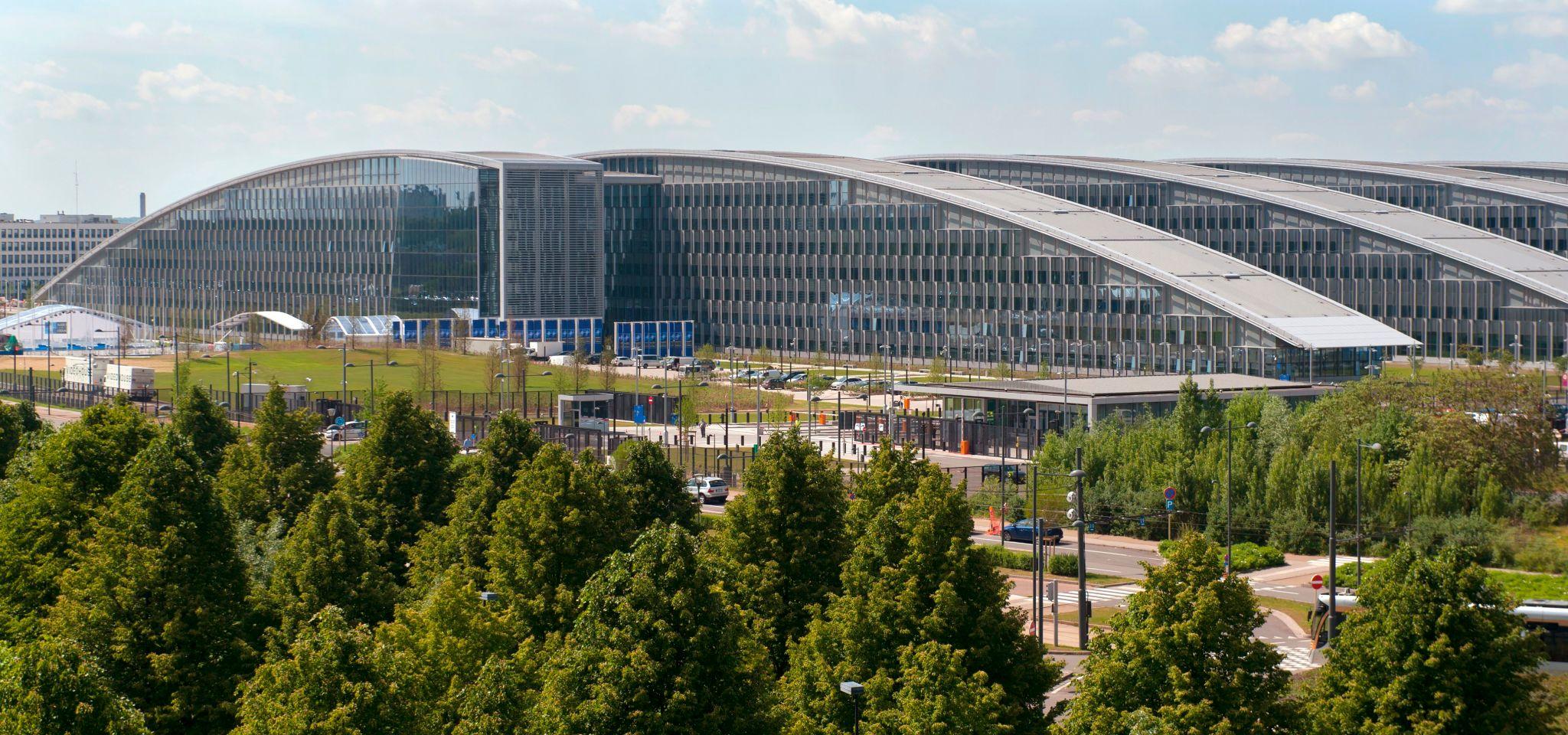
BRUSSELS, February 15, 2026 — Parliament News — European leaders meeting in Brussels this week placed EU security policy 2026 at the center of discussions aimed at redefining the continent’s long term defense posture. The renewed focus reflects rising geopolitical competition, technological disruption and shifting alliance dynamics. Officials described EU security policy 2026 as a comprehensive framework designed to strengthen collective defense capabilities, reinforce cyber resilience and secure Europe’s strategic autonomy in an increasingly multipolar world.
The gathering brought together heads of government, defense ministers and senior EU officials to coordinate investment priorities and policy alignment. Observers noted that the agenda signaled determination to translate political consensus into measurable action throughout 2026 and beyond.
Strategic Autonomy as a Core Objective
A central pillar of EU security policy 2026 is the pursuit of strategic autonomy. European leaders emphasize that autonomy does not imply isolation from traditional allies but rather the capacity to act independently when necessary. Policymakers argue that Europe must be prepared for rapid shifts in global politics and unexpected crises.
Defense analysts describe the strategy as pragmatic. By building stronger internal coordination, Europe can enhance deterrence while maintaining credibility within NATO. EU security policy 2026 therefore balances independence with cooperation, reinforcing Europe’s voice on the global stage.
One senior EU diplomat stated,
“Strategic autonomy ensures that Europe can protect its interests without hesitation while remaining a dependable partner in collective security.”
The statement encapsulates the overarching goal guiding policy implementation.
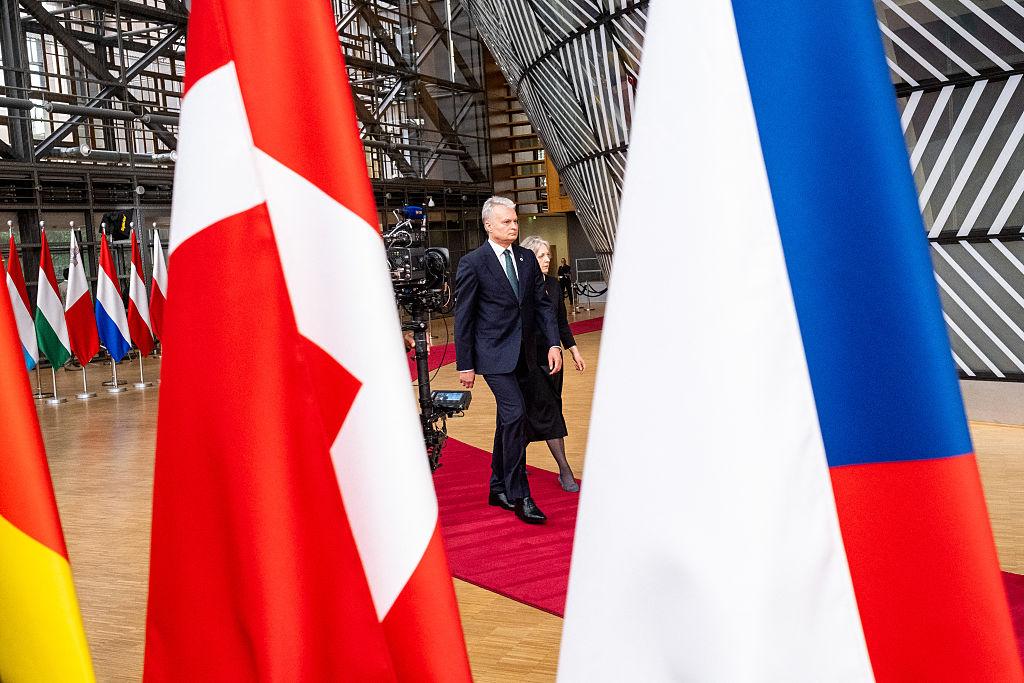
Coordinated Defense Investment and Procurement
Financial commitment stands at the forefront of policy execution. Member states have pledged increased defense spending aligned with shared priorities. EU security policy 2026 encourages joint procurement initiatives to reduce duplication and enhance interoperability across national forces.
Collaborative projects include advanced fighter aircraft development, integrated missile defense systems and satellite communication networks. Pooling resources enables economies of scale while accelerating technological innovation. Analysts note that fragmented procurement historically weakened operational cohesion. The new framework seeks to correct that imbalance.
Defense manufacturers across Europe are expected to benefit from expanded cross border cooperation, stimulating industrial growth and research advancement.
Cybersecurity and Digital Resilience
Modern security threats extend beyond physical borders. EU security policy 2026 places significant emphasis on digital resilience and cybersecurity. Recent cyberattacks targeting infrastructure have underscored vulnerabilities in energy grids, financial systems and telecommunications networks.
Brussels has outlined investments in secure data centers, artificial intelligence driven threat detection and coordinated cyber response units. These initiatives aim to create a unified digital shield capable of responding rapidly to cross border threats.
Cybersecurity experts emphasize that digital sovereignty is inseparable from national defense. Strengthening cyber capacity enhances economic stability and public confidence.
Eastern Border Security and Deterrence
Geopolitical tensions along Europe’s eastern frontier continue to influence strategic calculations. EU security policy 2026 includes expanded joint military exercises and logistics coordination to ensure rapid deployment capabilities.
Intelligence sharing mechanisms have been enhanced to improve situational awareness and preempt emerging risks. While leaders stress commitment to diplomatic engagement, they also underscore readiness to deter potential aggression.
The framework integrates land, air and maritime readiness, reflecting lessons learned from recent regional conflicts.
Arctic Dimension and Northern Strategy
Climate change is reshaping the Arctic landscape, opening new maritime routes and intensifying resource competition. EU security policy 2026 acknowledges the Arctic’s growing strategic importance.
Nordic member states are collaborating on maritime surveillance systems and infrastructure reinforcement in northern territories. Investment in ice capable vessels and satellite monitoring enhances situational awareness.
Analysts say the Arctic dimension adds complexity to Europe’s security posture. Balancing environmental protection with strategic preparedness requires careful coordination among member states.
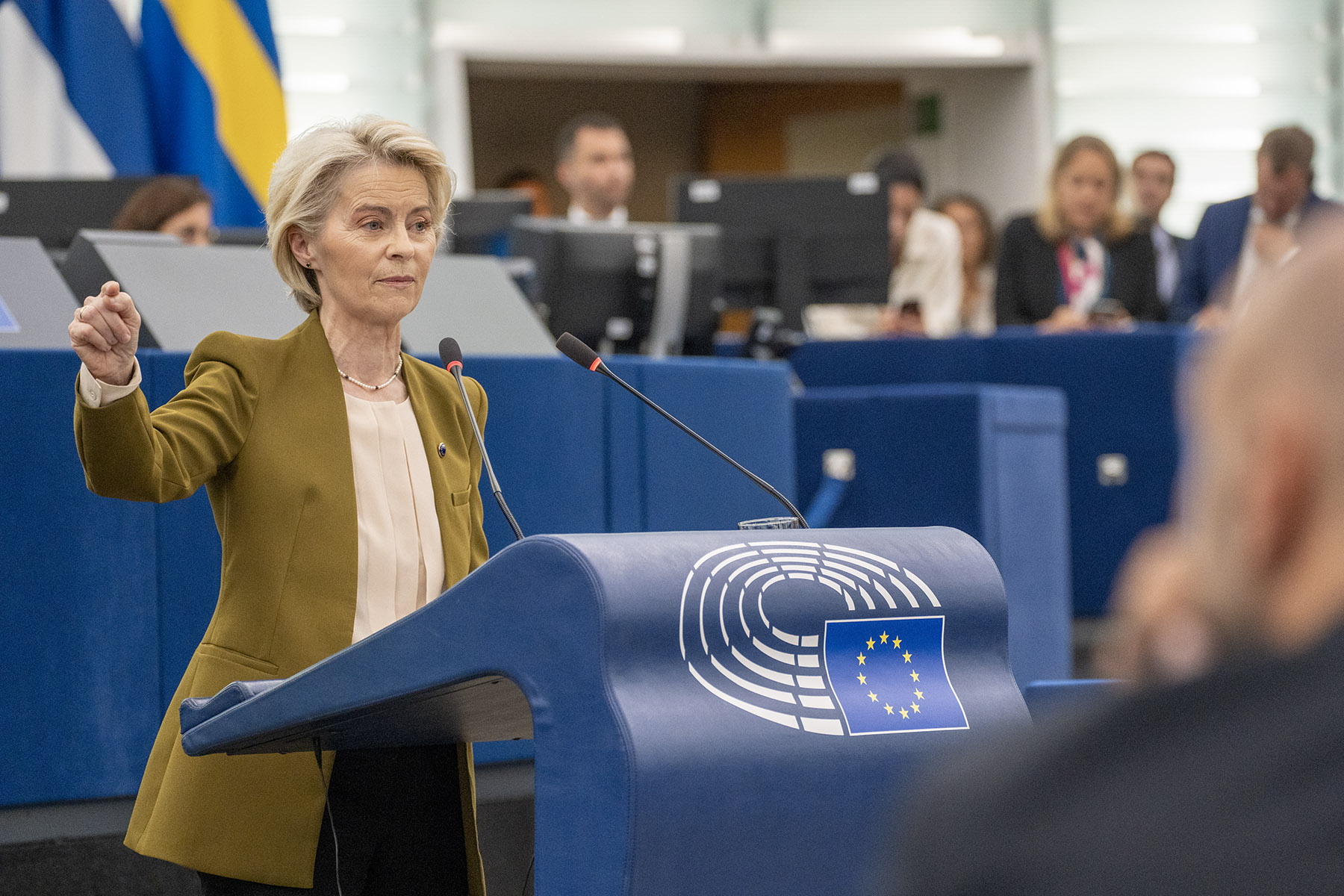
Energy Infrastructure Protection
Energy security remains intertwined with defense strategy. EU security policy 2026 integrates measures to safeguard pipelines, renewable installations and transmission networks from both physical sabotage and cyber intrusion.
Diversification of energy sources reduces vulnerability to external pressure. Protecting critical infrastructure strengthens resilience against geopolitical leverage.
The European Commission has proposed standardized protocols for emergency response to infrastructure threats, reinforcing cross border cooperation.
Public Support and Democratic Accountability
Public opinion across Europe shows increasing awareness of global instability. Surveys indicate broad support for coordinated defense initiatives, particularly in light of cyber threats and border tensions.
EU security policy 2026 emphasizes transparency and democratic oversight. Leaders stress that accountability mechanisms are essential to maintain public trust while increasing defense budgets.
Political consensus across major parties has strengthened implementation prospects, though debates continue over funding allocations and fiscal priorities.
History of European Security Integration
The evolution of European defense cooperation dates back decades. Early initiatives focused primarily on economic integration, with security largely delegated to NATO structures. Over time, shifting geopolitical landscapes prompted gradual expansion of EU level coordination.
EU security policy 2026 represents the latest stage in this historical progression. From the establishment of the Common Security and Defence Policy to recent structured cooperation frameworks, Europe has steadily deepened collaboration.
Past crises accelerated integration, demonstrating that shared challenges often drive institutional reform. The current framework builds upon these lessons, embedding resilience across political and military institutions.
Industrial Innovation and Technological Advancement
Defense investment under EU security policy 2026 also stimulates technological development. Aerospace engineering, cybersecurity software and advanced communications systems benefit from increased funding streams.
Universities and private firms are partnering with defense agencies to advance research in artificial intelligence, robotics and space based surveillance. This ecosystem fosters innovation while supporting economic growth.
Industrial competitiveness enhances Europe’s global standing in defense manufacturing and export markets.
Institutional Reform and Governance Efficiency
Streamlined governance structures are critical to effective implementation. EU security policy 2026 introduces measures to accelerate decision making and reduce bureaucratic overlap.
Enhanced intelligence sharing platforms improve coordination among member states. Standardized procedures ensure rapid mobilization during emergencies.
Officials highlight that efficient governance underpins credibility. Without operational readiness, strategic ambition loses impact.
Economic Implications of Defense Expansion
Increased defense spending carries fiscal implications. Policymakers aim to balance investment with social programs and economic growth objectives.
Economic analysts suggest that coordinated procurement may reduce long term costs while generating skilled employment opportunities. EU security policy 2026 is therefore linked not only to defense outcomes but also to industrial policy and job creation.
Maintaining fiscal sustainability remains a central consideration in budget negotiations.
Looking Ahead Through 2026 and Beyond
As implementation progresses, EU security policy 2026 will undergo periodic evaluation. Performance benchmarks include readiness levels, cyber resilience metrics and industrial output targets.
Leaders emphasize adaptability. The global environment continues to evolve, requiring flexible strategies capable of responding to emerging threats.
The coming months will test coordination mechanisms and political resolve.
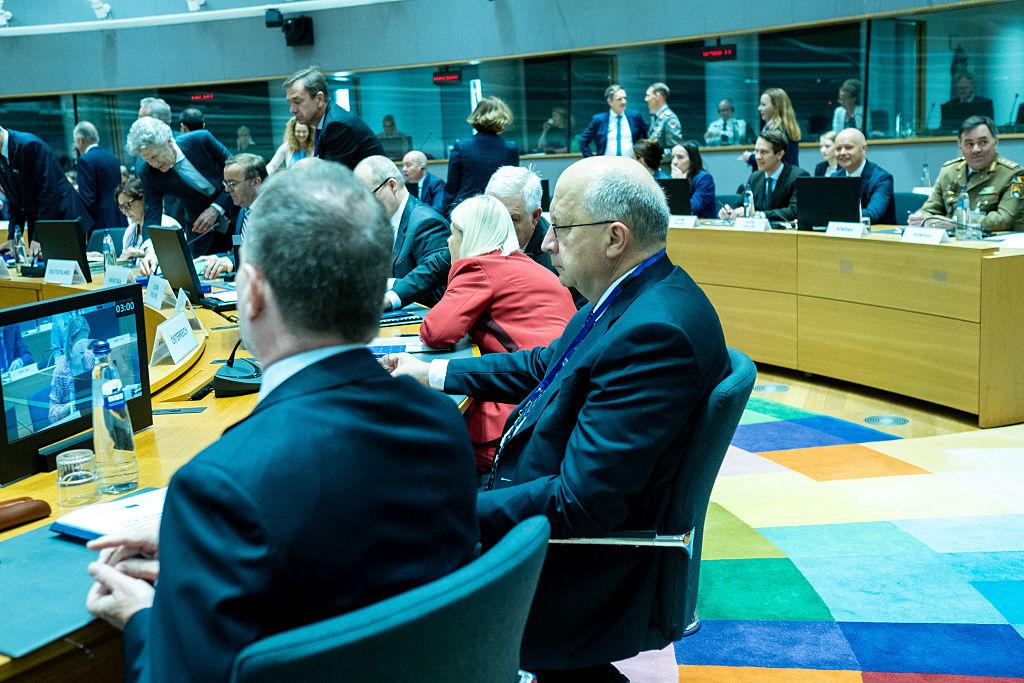
Europe’s Security Future in a Transforming World
EU security policy 2026 reflects Europe’s determination to navigate a complex international environment marked by technological competition and geopolitical tension. Brussels has positioned itself as the strategic hub guiding collective action.
By integrating defense investment, cyber resilience and institutional reform, Europe aims to safeguard stability while preserving democratic values. Observers note that sustained unity will determine long term success.
As 2026 unfolds, policymakers remain focused on translating ambition into measurable outcomes. The framework stands as a defining chapter in Europe’s ongoing pursuit of strategic coherence and resilience.