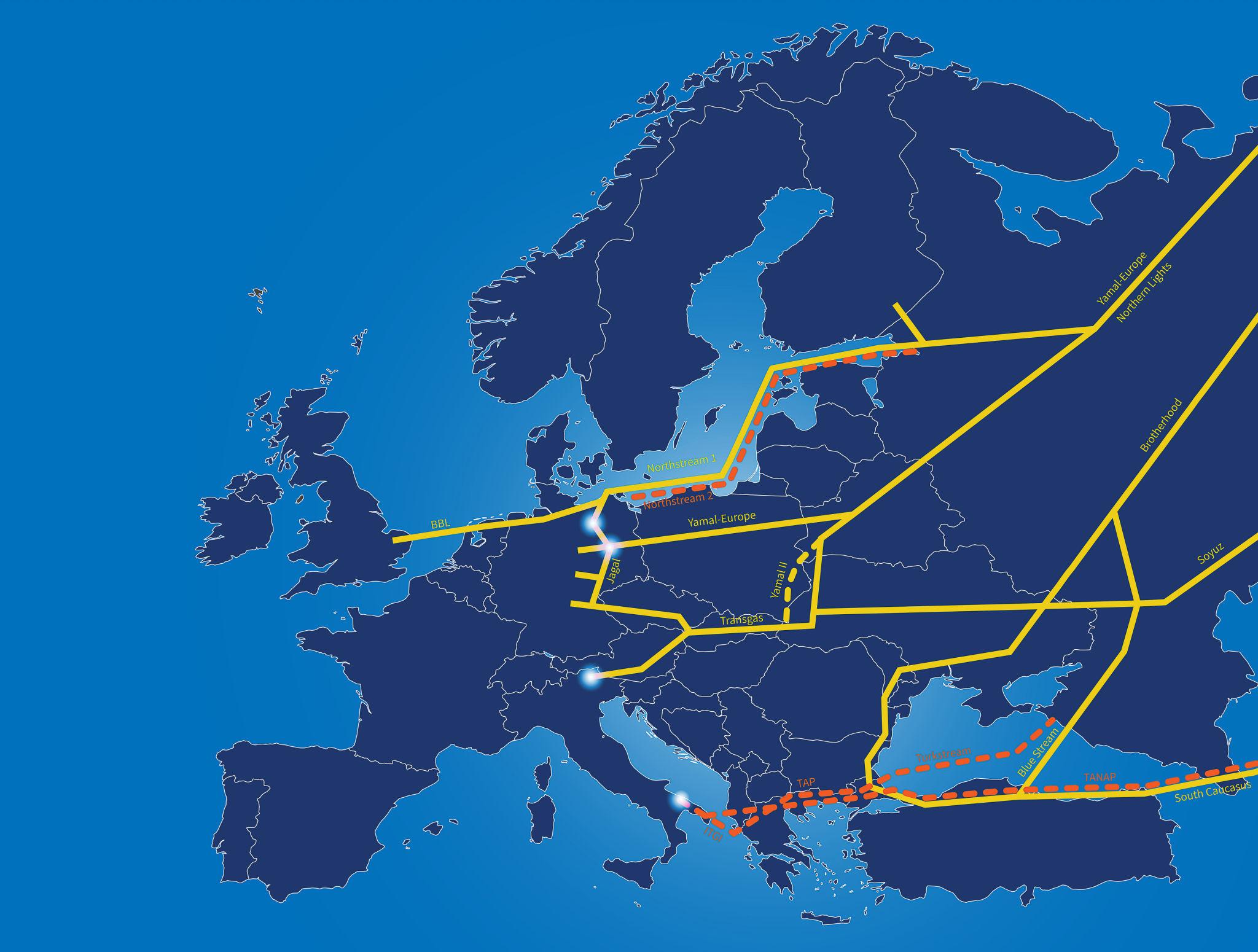
Brussels, Belgium — March 7, 2026 — Parliament News — The European oil supply crisis has moved to the center of European political discussions as Slovakia’s Prime Minister Robert Fico prepares for key talks with European Commission President Ursula von der Leyen. The meeting in Brussels comes as several Central European countries face growing concerns over disruptions to pipeline oil deliveries that have long supported regional energy systems.
Energy markets across Europe are closely watching the negotiations as governments attempt to stabilize supply chains. For Slovakia, maintaining consistent energy imports is critical because its refining infrastructure relies heavily on crude oil transported through pipeline networks.
Officials in Bratislava argue that restoring stable deliveries would help reduce pressure caused by the European oil supply crisis, particularly at a time when global energy markets remain volatile. The outcome of the talks could influence how the European Union manages energy security and supply reliability in the coming months.
Why Central Europe Depends on Pipeline Oil
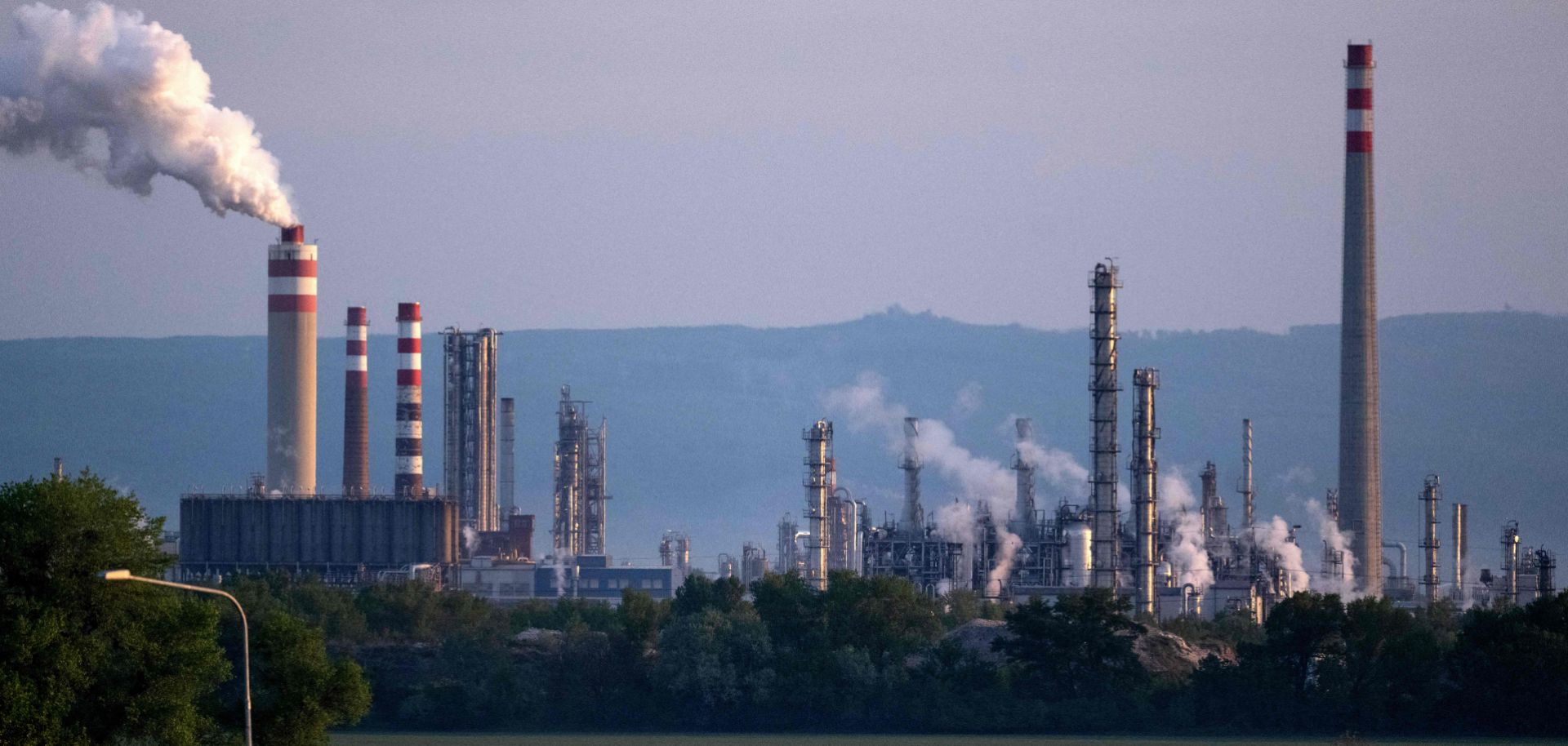
Several Central European countries developed their refinery systems during the Cold War era when pipeline oil deliveries formed the backbone of regional energy infrastructure. These refineries were engineered to process specific crude blends delivered through long established pipeline systems.
Because of this design, switching to alternative sources can be complicated and costly. Importing oil through seaports or transporting it by rail often increases logistical expenses and slows refinery operations.
These structural challenges have intensified the European oil supply crisis, particularly for landlocked countries such as Slovakia that do not have direct access to maritime oil terminals. Energy analysts say the situation highlights how historical infrastructure decisions continue to influence modern energy policy.
EU Leaders Weigh Energy Security Options
European Union policymakers face a complex balancing act. On one hand, the EU has committed to reducing reliance on external fossil fuel suppliers while accelerating the transition toward renewable energy sources. On the other hand, sudden disruptions to traditional oil supply routes could destabilize economies.
The European oil supply crisis has therefore triggered discussions about temporary solutions that could maintain energy stability while longer term diversification strategies are developed. Some policymakers favor transitional arrangements that keep pipeline deliveries operating while renewable energy infrastructure expands.
Industry groups across Europe have also urged policymakers to adopt pragmatic solutions that protect economic stability and energy affordability for businesses and households.
Economic Pressure From Rising Energy Costs
Energy supply uncertainty often translates directly into higher fuel costs. When oil deliveries are interrupted, refineries may be forced to secure alternative crude supplies that are more expensive to transport and refine.
These price increases ripple through the broader economy, affecting transportation, manufacturing, and agriculture. Economists warn that the European oil supply crisis could place additional inflationary pressure on several European economies if supply disruptions continue.
For this reason, many governments see the Brussels discussions as a crucial step toward stabilizing regional energy markets and preventing further price shocks.
Historical Comparison With Earlier Energy Shocks
The current European oil supply crisis has drawn comparisons with earlier periods of energy instability. During the global oil shocks of the 1970s, geopolitical tensions and supply disruptions triggered severe economic challenges across Western economies.
At that time, sudden shortages and rising prices forced governments to rethink energy policies and invest in alternative sources. The crisis ultimately reshaped global energy markets and accelerated efforts to diversify energy supplies.
Today’s European oil supply crisis reflects a similar dynamic, where political tensions, infrastructure limitations, and economic pressures converge to create complex energy challenges for policymakers.
Quote From European Energy Officials
Officials involved in the discussions acknowledge that balancing long term policy goals with immediate energy needs is difficult.
One European energy policy adviser summarized the challenge by stating:
“Europe must secure reliable energy supplies today while building a more resilient energy system for the future.”
This perspective reflects the broader debate surrounding the European oil supply crisis as governments attempt to maintain stability while transitioning toward cleaner energy systems.
Europe Faces a Defining Energy Moment
The European oil supply crisis has highlighted how interconnected energy policy, geopolitics, and economic stability have become. As European leaders gather in Brussels, the discussions may determine how the region manages energy security during a period of geopolitical tension and economic transition.
For Slovakia and other Central European countries, the outcome of these talks could directly influence fuel prices, refinery operations, and long term energy planning. The negotiations represent more than a technical policy discussion—they mark a defining moment for Europe’s evolving energy strategy.