

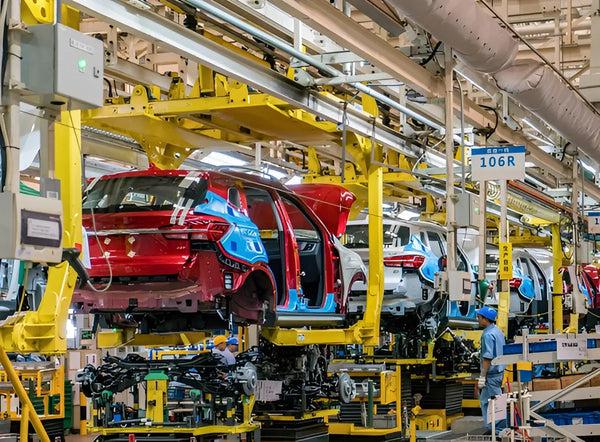
BERLIN, Germany (Politics Parliament Magazine) EV production expansion is becoming one of the most significant trends in the global automotive industry as manufacturers across Europe, Asia, and North America rapidly increase investments in electric vehicle factories, battery production facilities, and advanced automotive technologies. Analysts say the accelerating transition toward electric mobility is reshaping manufacturing strategies worldwide.
Major automotive companies are competing aggressively to secure market share in the fast-growing electric vehicle sector. Governments continue supporting the transition through environmental regulations, emissions targets, tax incentives, and infrastructure investment programs designed to encourage EV adoption.
The growing momentum surrounding EV production expansion reflects rising global demand for battery-powered transportation as consumers increasingly shift away from traditional gasoline-powered vehicles.
“Electric vehicle manufacturing has entered a new era of global competition and industrial transformation,”
one automotive market analyst stated.
Global Manufacturers Increase Electric Vehicle Investments
The rapid pace of EV production expansion has pushed automakers to announce large-scale investments in manufacturing plants, battery facilities, and supply chain infrastructure throughout 2026.
Automotive companies across Europe and Asia are building new factories while upgrading existing facilities to support higher electric vehicle output. Several automakers have also expanded partnerships with battery suppliers and technology firms to improve production efficiency and reduce long-term costs.
Industry experts say EV manufacturing growth is no longer limited to premium vehicle brands. Mass-market producers are increasingly accelerating electric vehicle programs as affordability improves and consumer demand expands.
Financial analysts believe the automotive industry may experience one of its largest manufacturing transitions in modern history as companies continue moving toward fully electrified vehicle lineups.
European Market Becomes a Key Growth Region
Europe remains one of the most important regions driving EV production expansion due to aggressive emissions regulations and strong government support for electric transportation.
Countries across the European Union continue introducing stricter environmental policies designed to reduce carbon emissions from transportation sectors. These policies have encouraged automakers to increase electric vehicle production capacity inside Europe while expanding charging infrastructure and battery supply chains.
Several European governments are offering incentives to attract EV-related manufacturing investment, including subsidies for battery plants and clean energy infrastructure projects.
Analysts say competition between European automakers and rapidly expanding Chinese EV companies is intensifying pressure on manufacturers to accelerate production capabilities.
“Europe is becoming one of the central battlegrounds for electric vehicle manufacturing growth,”
a transportation strategist explained.
Battery Manufacturing Drives Industry Competition
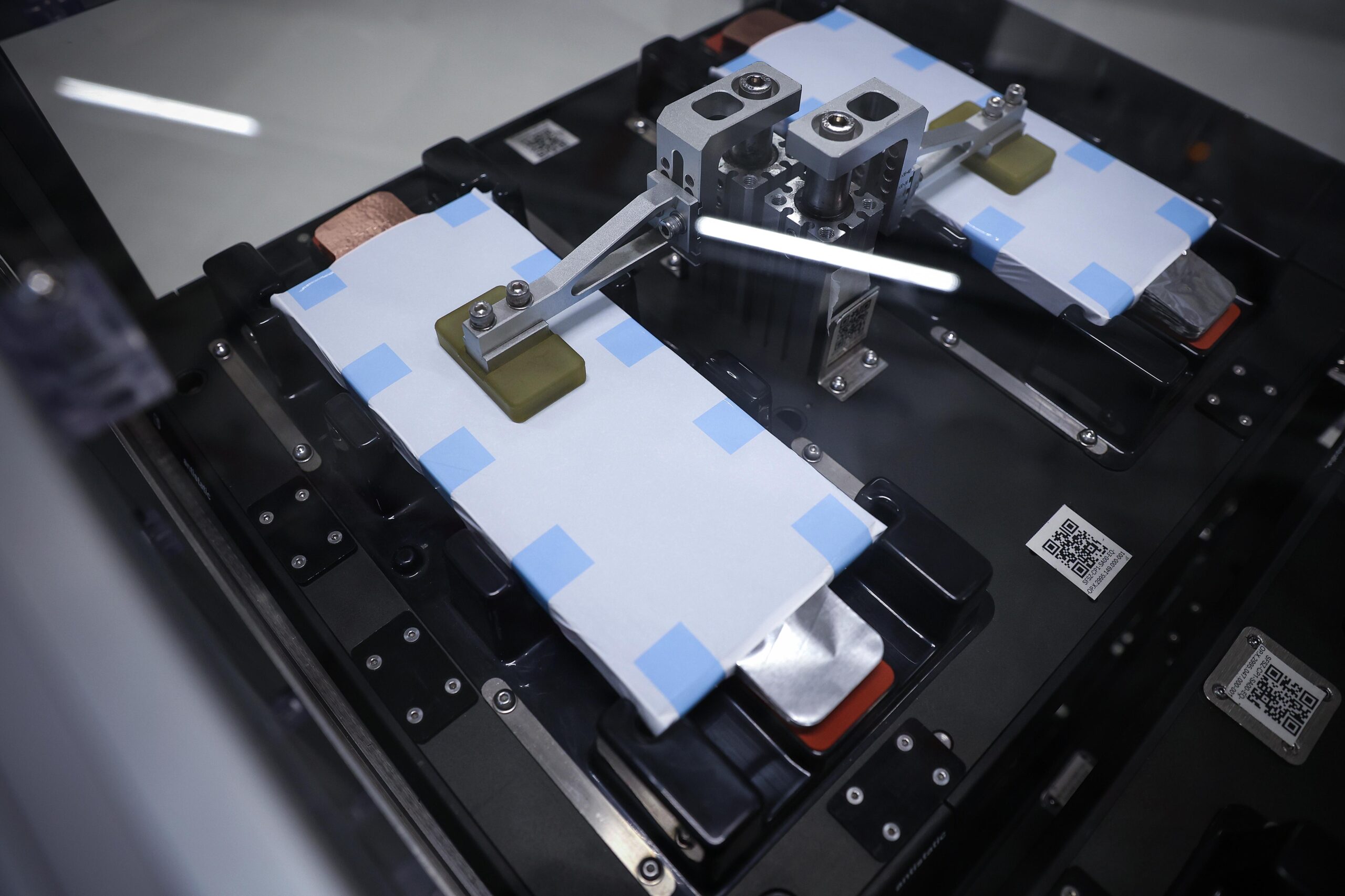
Battery production has become one of the most important factors influencing EV production expansion worldwide.
Automakers increasingly view battery supply chains as essential to long-term competitiveness because battery costs significantly affect vehicle pricing and profitability. Companies are investing billions into battery factories, raw material sourcing agreements, and advanced energy storage technologies.
The demand for lithium, nickel, cobalt, and other battery materials has surged alongside rising electric vehicle production targets. Governments and manufacturers are also exploring alternative battery technologies capable of improving charging speed, efficiency, and driving range.
Industry observers believe battery innovation will remain a defining factor shaping the future of the electric vehicle market during the coming decade.
History of Electric Vehicle Manufacturing Growth
The modern rise of EV production expansion traces back to early investments in hybrid and electric transportation technologies during the late twentieth century.
Although electric vehicles existed in limited forms decades earlier, widespread industry momentum accelerated during the 2000s as environmental concerns and fuel efficiency standards gained political and economic importance.
The launch of modern battery-powered vehicles transformed consumer interest in electric transportation and encouraged governments to develop long-term clean energy strategies. Over time, battery technology improvements and falling production costs helped electric vehicles become increasingly accessible to mainstream consumers.
By the mid-2020s, electric vehicle manufacturing had evolved into one of the fastest-growing industrial sectors globally, attracting investments from automakers, technology companies, and governments worldwide.
Supply Chain Challenges Continue Affecting Growth
Despite strong momentum surrounding EV production expansion, manufacturers continue facing supply chain challenges tied to raw materials, semiconductor shortages, and rising operational costs.
The global automotive industry remains vulnerable to disruptions affecting battery minerals, electronics manufacturing, shipping logistics, and energy markets. Automakers are working to diversify suppliers and secure long-term sourcing agreements to reduce future risks.
Labor shortages and increasing competition for engineering talent have also created additional pressure within the EV manufacturing sector.
Analysts believe companies capable of building resilient supply chains may gain significant competitive advantages as electric vehicle demand continues increasing globally.
“Supply chain security is becoming just as important as vehicle innovation itself,”
one automotive industry consultant noted.
Governments Continue Supporting EV Adoption
Public policy remains one of the strongest drivers behind EV production expansion across global markets.
Governments in Europe, North America, and parts of Asia continue implementing regulations encouraging the transition away from internal combustion engine vehicles. Tax incentives, emissions standards, charging infrastructure programs, and clean energy initiatives are accelerating consumer adoption of electric vehicles.
Some countries have announced long-term plans to phase out new gasoline-powered vehicle sales entirely over the next decade.
Industry experts say continued government support will likely remain essential for sustaining large-scale EV manufacturing growth and infrastructure development throughout future years.
Key Facts About EV Production Expansion in 2026
| Category | Details |
|---|---|
| Industry | Electric Vehicles |
| Main Trend | EV Manufacturing Growth |
| Key Regions | Europe, Asia, North America |
| Major Focus | Battery Production |
| Growth Drivers | Government Incentives, Consumer Demand |
| Market Challenge | Supply Chain Pressure |
| Year | 2026 |
EV Production Expansion Reshapes Global Automotive Markets
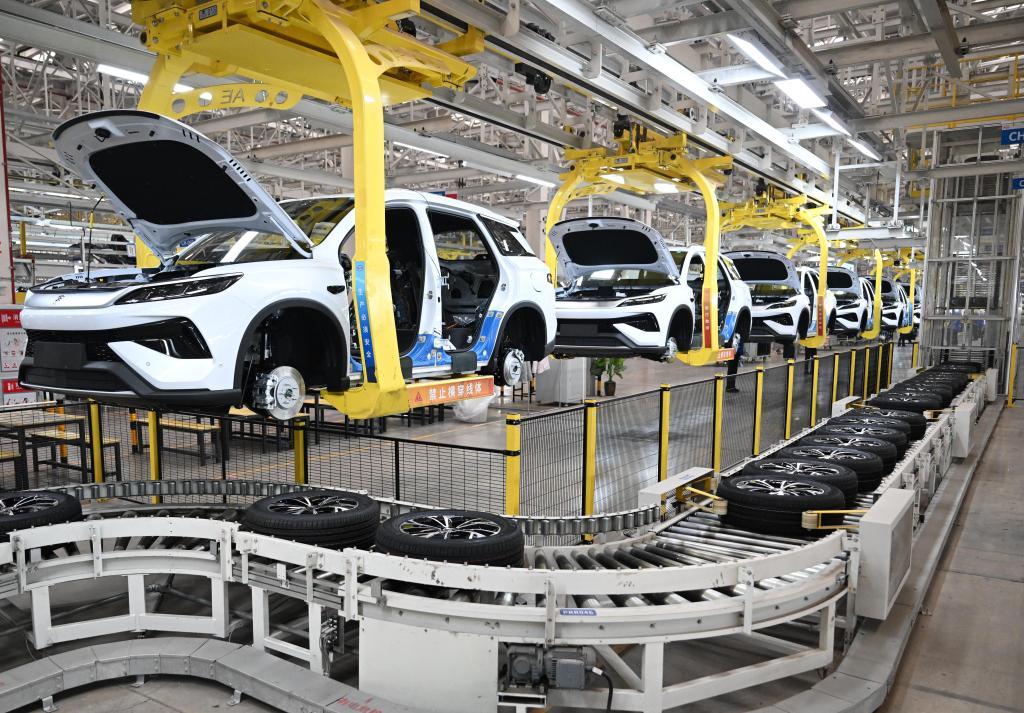
The accelerating pace of EV production expansion is transforming the automotive industry as manufacturers, governments, and technology companies compete to lead the future of transportation. Electric vehicle demand continues rising globally, driving investments in factories, battery production, and advanced manufacturing infrastructure.
As governments strengthen environmental regulations and consumers increasingly adopt battery-powered transportation, the global EV market is expected to remain one of the fastest-growing industrial sectors during 2026 and beyond.